Winter and Monsoon Special Offer! Get 5% off on all trekking packages in Nepal . Visit during June , July, August, December , January and February and take advantage of this limited-time deal.

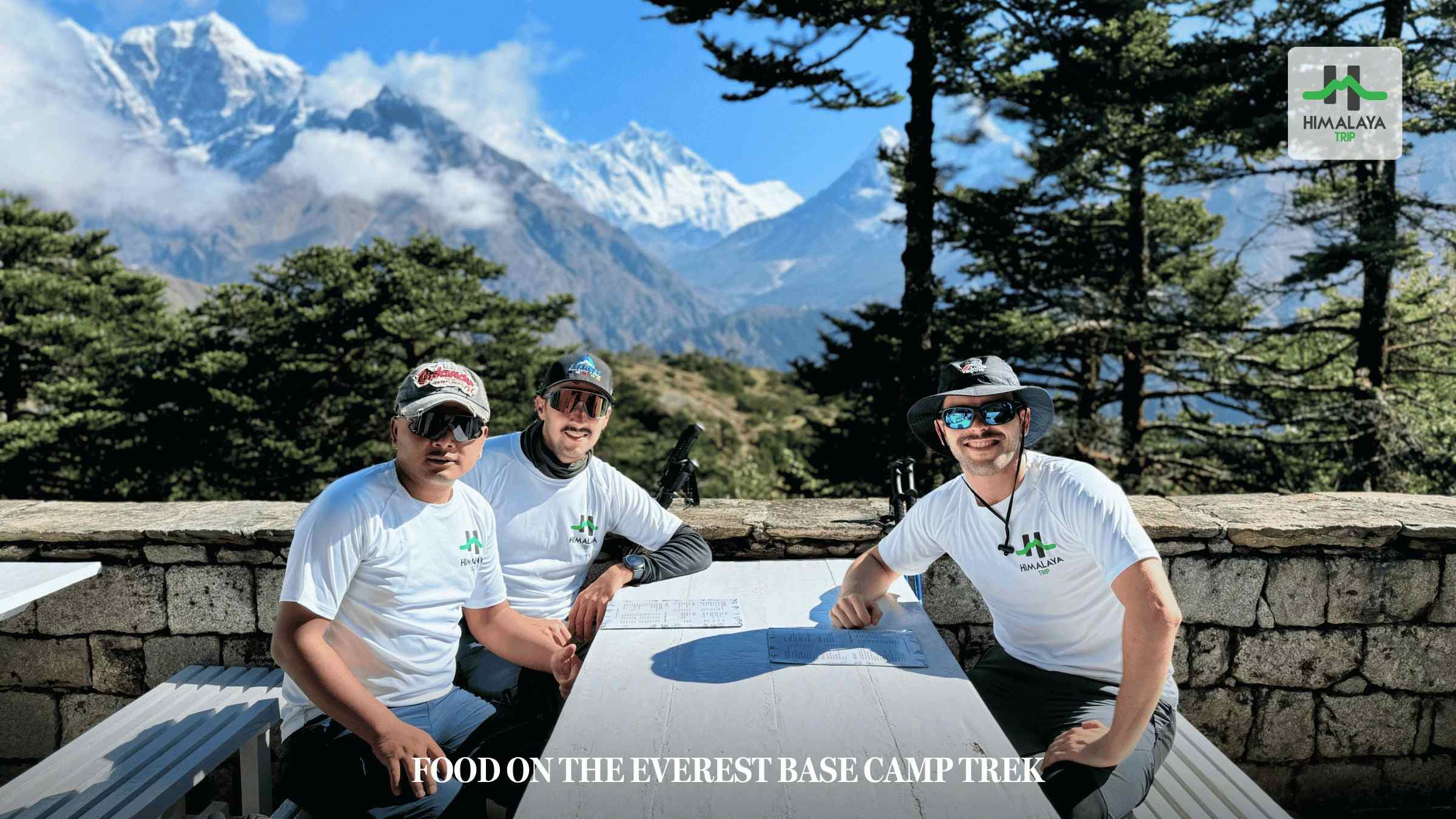
Food on the Everest Base Camp Trek
One of the common questions for trekkers joining the Everest Base Camp (EBC) Trek is, “What will I eat in the Himalayas?” It might be surprisingly simple and may seem like a small concern. However, once you start trekking on the rugged mountain terrain, food quickly becomes more than just fuel. It becomes a crucial factor that supports acclimatization, boosts motivation, and provides comfort after the long hours of trekking.
Unlike in cities, dining on the EBC Trek trail is a unique experience in itself. You will often eat your meals in family-run teahouses and remote mountain lodges. Despite the location, the food on the Everest Base Camp Trek trail is far more varied than one might expect. The warm hospitality adds a touch of flavor to the freshly prepared meals. From the staple Nepalese Dal Bhat to momo or momos (dumpling), pancakes, Sherpa stews, and even freshly baked pies, you will be pleasantly surprised by the meal options available on the route. Vegetarian food is widely available along the trek route, which is good news for vegan trekkers.
However, the food menu will change with the elevation. At lower elevations, the menus are broader and prices slightly cheaper as ingredients are easier to source. Meanwhile, at higher altitudes, meals are simpler but more expensive as nearly every ingredient has to be transported by yaks, porters, or helicopters to these remote areas. Many trekkers are genuinely curious about the food before booking their EBC Trek. It allows them to mentally prepare for the trip and budget accurately.
Understanding the food culture of the Everest region adds an exciting layer to the upcoming journey. Keep reading to discover what’s really on the menu during the Everest Base Camp Trek!
Table of Contents
What Food Is Available on the Everest Base Camp Trek?
Food on the Everest Base Camp Trek route is far better than many first-time trekkers expect. Each teahouse has its own menu, but they are mostly similar. The reason behind this is that the ingredients are supplied through the same mountain logistics system. In lower elevations like Lukla, food is transported by road and by air. The towns and villages above Lukla do not have road access. Hence, almost everything is carried by yaks or porters. Occasionally, helicopters are used to deliver essential supplies during peak trekking seasons or urgent restocking.

When you arrive at the teahouse or lodge, they will usually give you a printed menu. They will take your order and prepare the meal freshly. It may take a longer time to prepare, especially at higher altitudes, due to limited kitchen space, staff, and fuel. While going through the menu, you may notice that most are built around the same staple ingredients such as potatoes, rice, noodles, lentils, eggs, and other seasonal vegetables. A typical menu in the teahouse along the Everest Base Camp Trek is divided into:
- Breakfast options
- Main meals (lunch and dinner)
- Snacks and bakery
- Hot and cold beverages
- Desserts (occasional)
The most common food options available on the Everest Base Camp Trek are as follows:
| Breakfast | Lunch and Dinner |
| Porridge Muesli Pancakes Toast with jam, butter, or honey Eggs Chapati or Tibetan bread Tea, coffee, or hot lemon | Dal Bhat Chow mein Thukpa Fried rice Sherpa stew Momo Sherpa stew Vegetable curry Pizza (in lower altitude areas) Pasta Potato dishes Deserts like apple pie or rice pudding |
The food available on the Everest Base Camp Trek is designed to keep trekkers warm, energized, and well-fueled through long hours of trekking. It is not a luxury dining experience but a memorable and cultural experience.
Side-by-Side Food Table by Altitude
During the Everest Base Camp Trek, you will notice that the food evolves with the altitude. In lower villages, the meals are fresher, and the price is also lower. As you ascend to villages at higher altitudes, the food becomes simpler and more calorie-dense, but the price is higher. These meals are specifically designed to provide more energy and survival in harsher conditions.
To provide you with realistic meal options that you can expect on each day, we have prepared a food table by altitude. Take a look:
| Elevation | Meals | Average meal price (USD) | Note |
| Lukla (2,860 m) | Dhal Bhat, momo, pasta, eggs, chowmein, pizza, bakery items, and more | USD 4 to 7 | Wide menu options and fresh ingredients |
| Phakding (2,610 m) | Pancakes, noodles, soups, fried noodles, Dhal Bhat, momo, and more | USD 4 to 7 | Good variety and similar to Lukla |
| Namche Bazaar (3,440 m) | Dhal Bhat, momo, pasta, eggs, chowmein, pizza, burgers, bakery items, coffee, and more | USD 5 to 9 | Best variety of food with fresh ingredients; cafes and bakeries are also available |
| Tengboche (3,860 m) | Dal Bhat, soups, noodles, potatoes, stews | USD 6 to 9 | Menu options start to get narrower, and the freshness of the ingredients is moderate |
| Dingboche (4,410 m) | Dal Bhat, garlic soup, noodles, potatoes, stews | USD 7 to 11 | High altitude decreases the appetite, the menu gets shorter, and ingredient freshness is moderate to low |
| Lobuche (4,940 m) | Dal Bhat, garlic soup, noodles, boiled potatoes | USD 8 to 13 | Menu becomes simpler; fresh ingredients are low |
| Gorakshep (5,164 m) | Soup, rich dishes, noodles, boiled potatoes | USD 10 to 15+ | Simple menu but expensive, as yak or porter carries all supplies; fresh ingredients are low |
As you can see from the table, the food at Everest Base Camp Trek route changes with altitude. The higher you go, the more practical the menu becomes. It focuses on carb-heavy meals that focus mainly on energy, hydration, and easier digestion.
Breakfast on the Everest Base Camp Trek
There is often a saying, “Breakfast is the most important meal of the day,” and it couldn’t be truer during the Everest Base Camp Trek. While breakfast may be light on normal days, it is a serious source of fuel in the Himalayas. Each day, you will wake up early, and the trek usually begins between 6:30 and 8:00 AM. You will have to trek for the next several hours through freezing temperatures and steep trails. The cold temperature, long working hours, and high altitude cause your body to burn more calories than usual. Hence, you need a nutritious, carb-heavy breakfast to maintain body heat, stamina, and endurance throughout the day.

Carbohydrates help to maintain body warmth and provide quick energy. Additionally, it helps to digest heavy and fatty foods at altitude. Here are the most common breakfast options that you will find along the Everest Trek trail:
- Porridge: It is one of the most popular and favorite breakfasts among trekkers on the Everest trail. It is warm, keeps you full longer, and is gentle on the stomach. Porridge provides slow-release energy and is ideal for acclimatization. There are varieties of porridge available, such as oat, muesli, apple or cinnamon, and Tibetan-style porridges.
- Tibetan bread: It is a thick, round, lightly fried bread common in mountainous regions. The bread is served warm and usually with jam, honey, butter, or eggs. It is a warm, filling, and calorie-dense breakfast option. Similarly, it is a classic Himalayan breakfast that is also comforting to the soul.
- Pancakes: It might come as a surprise, but pancakes are also a stable breakfast in most teahouses in the Everest region. Pancakes provide quick calories and are easy to eat, even on a low appetite day. Depending on the teahouse, you may find flavor options such as chocolate, banana, honey, and apple.
- Eggs: In addition to carbohydrates, protein is also crucial, and eggs are served as breakfast almost every day. They are served in various ways: boiled, fried, omelets (plain, cheese, or vegetables), or scrambled. Eggs help to support muscle recovery. It is also easy to digest and pairs well with toasts or potatoes.
- Tea & coffee: Hot drinks are essential for warmth and hydration. As a result, it is served during breakfast. Some popular options include black tea, milk tea, ginger tea, lemon tea, butter tea, masala tea, instant coffee, and hot chocolate. Most teahouses also offer hot lemon with coffee, which helps hydrate and soothes the throat.
Dal Bhat, Noodles & Main Trekking Meals
If there is one that represents trekking in Nepal, it is Dal Bhat. During the trek, you will often hear the phrase: “Dal Bhat power, 24 hours.” It is a favorite saying among guides and porters. There is a very good reason behind this saying. Dal Bhat is a staple and traditional Nepali meal that is cooked and consumed in every Nepalese household. It consists of steamed rice (bhat), lentil soup (dal), seasonal vegetables, pickle (achar), and curries. The dish is usually eaten for lunch and dinner.

Dal Bhat meal may look simple, but it is nutritious and high in carbohydrates and protein. It is a perfect food to keep you energized throughout the Everest Base Camp Trek. At high altitude, the body needs more carbohydrates as they are more quickly and efficiently converted into energy. Due to a drop in oxygen levels, digestion and metabolism slow. It makes it harder for the body to break down fats and heavy proteins quickly. Hence, Dal Bhat is an ideal rice-based meal for challenging multi-day trekking, such as the Everest Base Camp. Served hot in the cold mountain conditions, it is also a comfort food.
When it comes to the food on the EBC Trek, Dhal Bhat is undoubtedly the “king of trekking food.” Aside from its nutritional value, one of the reasons why trekkers love it is the free refills. Especially in the area below Dingboche, many teahouses provide a refill of extra rice, lentil soup, and additional vegetables. So, one order keeps you full for hours and offers excellent value for money.
Teahouse food on the Everest Trek offers plenty of main trekking meal options. Here are some common main meals that you can expect along the trail:
- Noodles: It is one of the main trekking meals in the mountainous region. Like Dal Bhat, it is rich in carbohydrates and easy to digest. Some popular varieties include vegetable noodles, fried noodles, garlic noodles, and soup noodles. Thukpa, a traditional Himalayan noodle soup, is popular among trekkers. It consists of noodles, broth, vegetables, and sometimes protein (meat or eggs). Thukpa is especially popular in areas above Lobuche.
- Momo: One of Nepal’s most beloved cuisines, it is also a main trekking meal. While meat is a more common filling, you can also find varieties like vegetables, cheese, and potatoes. Momo is undoubtedly a comfort meal, but it is better in lower villages where fresh ingredients are available.
- Fried rice: Aside from Dal Bhat, fried rice is another favorite carbohydrate-rich main dish available in the Everest region. It is filling and usually served with vegetables or eggs.
- Potatoes: They are a staple crop in the Everest region, which also grows at high altitudes. As a result, potatoes are one of the main carb meals during the EBC Trek. You can find varieties like boiled potatoes, mashed potatoes, fried potatoes, and potato curry.
Food Cost on the Everest Base Camp Trek
There is a common misconception among first-timers that the food in the mountains is cheaper than in cities. However, it is exactly the opposite. Food costs increase as you move to higher elevations. For example, the price of a plate of Dal Bhat in Lukla may double by the time you reach Gorakshep. The reason for the price hike is due to the logistical challenges. Transporting supplies to remote areas with no road access is not easy.
Human porters carry many goods to remote, high-altitude areas of the Everest region. They carry loads of 60 to 90 kg on the steep trail. Labor costs are directly added to menu prices at the teahouses. Another mode of transportation is yaks and dzopkyos (yak-cow hybrids). They carry large loads such as rice, flour, gas cylinders, bottled drinks, and vegetables. Although efficient, the yak transportation is slow and more expensive.
The remoteness of the location ultimately increases the price of food and other items. A simple bar of chocolate needs to be transported by plane to Lukla and then by porter or yak to higher regions. During peak season (spring and autumn), helicopters are used to supply emergency supplies, fuels, eggs, and fresh vegetables. While it helps in availability, it significantly increases the cost of the meals. These are the main reasons food prices on the Everest Base Camp Trek are higher.
Take a look at the average food prices by altitude:
| Altitude | Average meal price | Average hot drink price | Average bottled water price | Average snack price |
| Lower trail (Lukla to Namche) | USD 5 to 7 | USD 1 to 3 | USD 1 to 2 | USD 1 to 3 |
| Mid trail (Tengboche to Dingboche) | USD 7 to 10 | USD 2 to 4 | USD 2 to 4 | USD 2 to 4 |
| Upper Trail (Lobuche to Gorakshep) | USD 10 to 15+ | USD 4 to 6 | USD 4 to 7 | USD 4 to 6+ |
Foods to Avoid on the Everest Base Camp Trek
There are no strict rules about foods to avoid on the Everest Base Camp Trek. However, an experienced guide or porter will provide smart and practical advice on what food is best for trekkers along the route. The fresh ingredients at higher altitudes are limited. Similarly, the lack of electricity makes refrigeration unreliable. Cases of food poisoning are not new. Hence, it is important to avoid certain foods during the EBC Trek.
Here are some foods to avoid on the EBC Trek:
| Foods | Why avoid? |
| Meat | It is strongly advised that trekkers avoid meat after Namche. The meat is carried for days to be transported to higher villages. It is not fresh, and storage conditions may not be adequate for proper hygiene and food safety. |
| Raw vegetables | Raw vegetables may not be washed with clean or treated water. It is also not fresh or stored properly for hygiene. It is best to eat cooked vegetables as heat eliminates any contamination risks. |
| Dair products | It is best to avoid dairy products, such as fresh milk and cheeses, at higher elevations. Taking dairy products increases sensitivity to digestion at altitude. Instead of fresh dairy items, it is best to opt for cooked or processed dairy. |
| Untreated water | Avoid drinking directly from taps, streams, or other water sources, even if they look clean. These may carry waterborne diseases, and there is a risk of contamination. Always drink boiled or treated water from teahouses. |
| Excess alcohol | Alcohol is available along the EBC Trek route, but it is highly recommended to avoid it. Drinking alcohol not only dehydrates your body but also slows acclimatization, worsens symptoms of altitude sickness, and decreases sleep quality. |
Best Snacks to Bring for the Everest Base Camp Trek
Snacks are like stacks of energy-rich sources during the Everest Base Camp Trek. It may be small, but it is a valuable and reliable source of food that can make a huge difference in a trekker’s stamina and mood. Snacks offer an energy boost between meals, long trekking hours, or when appetite drops at high altitudes. It is recommended that you bring snacks from Kathmandu, as prices can get expensive at higher altitudes. Similarly, availability becomes limited, and variety also decreases.
Some of the snacks that you can carry for the Everest Base Camp Trek are:
- Protein bars are among the best trekking snacks, lightweight yet high in calories and protein. They provide quick energy during steep climbs or descents. These bars are easy to eat, even while walking.
- Nuts & trail mix are rich in healthy fats and are a classic trekking fuel. These include almonds, peanuts, cashews, etc. These mixes provide long-lasting energy release and, what’s more, don’t spoil easily.
- Chocolate provides instant energy and a mood boost. It is one of the most popular trekking snacks. Chocolates are rich in carbohydrates and sugars, which the body can absorb quickly and convert into energy. It is especially useful during demanding trek days.
- Electrolytes help to make hydration more effective. While trekking, the body gets dehydrated more quickly. The electrolyte powders or tablets help to replace lost salts from sweating, improve energy levels, and support better acclimatization.
- Dried fruits contain natural sugars that are easy to digest and provide quick energy. These include raisins, dates, apricots, etc. Dried fruits are an excellent source of natural energy that are very helpful when appetite decreases.
- Energy gels are small packets of carbohydrates for fast energy. The body quickly absorbs these and provides a quick burst of energy. Energy gels are concentrated carbs, so they can feel overly sweet or thick. Hence, it is best to take them with water.
- Instant coffee improves alertness and focus. It especially feels like luxury on cold mornings. Coffee also helps to reduce fatigue and improve mood. However, only take moderate caffeine as too much coffee can increase dehydration and worsen sleep quality.
What Teahouse Dining Is Actually Like
Teahouse dining is a way to experience the simple Himalayan hospitality and taste authentic mountain food. Unlike the restaurants in the cities, teahouses are more about comfort and human connection. The dining halls are communal with long wooden benches and shared tablets. Instead of separate tables, trekkers will stay side by side. Everyone will share the same space, and the halls will become a place for socializing.
Usually, the dining halls have a stove for heating in the center. These are lit up in the evening and are often used for drying clothes. You will sit around the stove and warm up. The staff will bring you a menu or ask verbally. You will place your orders, and the food will be prepared in the kitchen. Note that waiting is normal as the kitchens are small and the staff is few. Take it as a part of the pace of mountain life. You can use the waiting time to warm yourself, charge your devices, or talk with fellow trekkers.

Dining in the teahouses on the Everest trail is not a luxury or polished experience. It is a warm, slow, and moment for connection. Sitting around the warm stove, sharing a meal after a long day, provides a sense of comfort that cannot be found anywhere else. It turns the simple mountain dining experience into one of the most memorable parts of the EBC Trek.

Everest Base Camp Trek
14 Days
Adventure Treks
USD 1,349 per person

Everest Base Camp Helicopter tour
1 Days
USD 1,225 per person

Everest Base Camp and Gokyo Lakes Trek
15 Days
Adventure Treks
USD 1,449 per person

Everest Three Passes Trek
17 Days
Adventure Treks
USD 1,549 per person


Everest Three Passes Trek without EBC
14 Days
Trekking
USD 1,399 per person
Which Food Strategy Works Best for Acclimatization?
Acclimatization is not only about taking a rest day at a strategic altitude but also about what and how you eat. At higher altitudes, where oxygen levels are low, digestion slows, and appetite decreases. Hence, the right food strategy helps to maintain energy levels, reduce fatigue, and promote body recovery. Some food strategy that works best for acclimatization on the EBC Trek are as follows:
- Eat carbohydrate-rich foods as the main meals because they require less oxygen to digest and provide steady energy.
- Keep your meals simple and light to prevent stomach heaviness while trekking. As meat items are not recommended at higher elevations, vegetarian meals are the best options.
- Eat small meals but frequently. It helps to avoid digestive system overload at higher elevations.
- Drink plenty of water and stay hydrated throughout the day. At higher altitudes, the body loses fluid more quickly, which causes dehydration and worsens the symptoms of altitude sickness.
- Adjust food intake gradually with elevation gain, as appetite decreases with altitude. Try to match food intake with trekking effort each day to improve acclimatization.
- Eat snacks between teahouse meals to stabilize energy levels. Prioritize foods that provide steady energy release rather than calorie bursts to maintain stamina throughout the trek.
Conclusion
Food on the Everest Base Camp Trek becomes part of the journey rather than just a daily necessity. Whether it is Dhal Bhat or a warm cup of tea, every meal reflects the realities of mountain logistics, high-altitude living, and the hospitality of the Everest region. As you move to higher areas, food takes on deeper meaning. Even ordinary ingredients carry different values as they have been transported for days by the efforts of yaks and porters. You will share the simple comfort in warm dining halls with fellow trekkers over leisurely conversation.
The food on the Everest trail is also a way to experience the local culture. Meals at the teahouses also offer a glimpse into the daily lives of Sherpa families. You will experience their warm hospitality and also the spirit of the Himalayas. If you are planning to trek to Everest Base Camp, understanding the food along the route helps you set realistic expectations and budget accurately. Similarly, reviewing meal and hydration expectations before departure helps avoid common altitude mistakes. Food is part of the trekking experience and the fuel that will take you to your destination.