Winter and Monsoon Special Offer! Get 5% off on all trekking packages in Nepal . Visit during June , July, August, December , January and February and take advantage of this limited-time deal.


Everest Base Camp Trek with Helicopter Return Highlights
- Experience the adventurous Lukla flight by both airplane and helicopter
- See Buddhist mantra-inscribed stones, mani walls, stupas, and monasteries
- Explore Sherpa culture and villages: Lukla, Phakding, Namche, Pangboche, Dingboche
- Discover Sagarmatha National Park’s flora and fauna
- Visit Namche Bazaar, the Sherpa capital
- Tour Tengboche, the biggest monastery, with its Everest view
- Honor climbers at the Thukla Pass Memorial, including Scott Fischer and others
- Sleep at Gorak Shep (5,140 m), the highest overnight stop
- Reach Everest Base Camp (5,364 m)
- Hike Kala Patthar, the closest viewpoint of Mt. Everest
- Meet the Everest Expedition Team in the months of April and May and the Everest Marathon team (29th May Every Year)
Activity
Trekking
Altitude
5,545 m, Kala Patthar
Best Season
March, April, May October, November, Dec
Meals Included
10 Breakfast, 8 Lunch 8 Dinner
Transportation
Private Vehicle, Flight, Helicopter
Destination
Most Popular Treks
Accommodation
2 night Hotel in Kathmandu 9 Nights at Lodges
Duration
11 Days
Region
Everest Region Treks
Group Size
2 - 20
Difficulty
Adventure
Everest Base Camp Trek with Helicopter Return Overview
The Everest Base Camp Trek with Helicopter Return is an 11-day journey through the Sagarmatha Conservation Area, a UNESCO World Heritage Site in Nepal’s Khumbu region. The route follows the same trail as the classic trek: a flight to Lukla, a walk up the Dudh Koshi Valley, and a climb to Everest Base Camp (5,364 m). The difference is the way back. Instead of retracing the trail for several days, you’ll fly out by helicopter from Kala Patthar or Gorak Shep and return to Kathmandu on the same day.
The trail passes several well-known points such as the Hillary Suspension Bridge, the rhododendron forest that blooms in spring, Namche Bazaar (the main Sherpa trading town and acclimatization stop), and Tengboche, which gives a direct view of Ama Dablam, Everest, Lhotse and Nuptse.
Further along, from Khumjung, you can see the Yeti scalp kept at the village monastery and visit the Edmund Hillary School, built in 1961 with support from Sir Edmund Hillary’s Himalayan Trust. At the end of the route, the Khumbu Icefall is visible above base camp, and from Kala Patthar you see Mount Everest, Lhotse, Nuptse and the wider Mahalangur Himalayan range in one view.
Culture is the largest part of the trip. The Khumbu is the homeland of the Sherpa people, where stone houses, yak herds, prayer wheels, mani walls, and Buddhist monasteries are part of daily life. You’ll stay in teahouses, eat dal bhat and local dishes, and can talk with Sherpa about mountaineering history, festivals, and Buddhist practice. Because the helicopter return shortens the trip, this package is paired with better accommodation, such as upgraded lodges with attached bathrooms and heating where available.
Compared with the classic Everest Base Camp trek, which usually takes 14-16 days, this version removes the long walk back to Lukla and keeps the full climb, the acclimatization days, and the arrival at base camp.
EBC Trek with Helicopter Return Short Itinerary
Day 01:
Arrival in Kathmandu (1,340 m), transfer to Hotel.
Day 02:
Fly to Lukla, trek to Phakding (2,610 m, 8 km or 3-4 hours walk).
Day 03:
Phakding – Namche (3,440 m,11 km or 5-6 hours walk).
Day 04:
Rest day at Namche
Day 05:
Namche – Tengboche (3,860 m, 9 km or 5-6 hour walk).
Day 06:
Tengboche – Dingboche (4,410 m, 10 km or 5-hour walk ).
Day 07:
Rest day in Dingboche.
Day 08:
Dingboche – Lobuche (4,910 m, 8 km or 5–6 hour walk ).
Day 09:
Lobuche – Gorak Shep (5,140 m) – Everest Base Camp (5,364 m), 11 km walk.
Day 10:
Visit Kala Patthar, helicopter return to Kathmandu.
Day 11:
Final departure home.
Everest Base Camp Trek with Helicopter Return Itinerary
Arrival in Kathmandu
Highest Altitude
1,340 m, Kathmandu
Accommodations
Kathmandu Guest House or similar
Upon your arrival at Tribhuvan International airport, you will be received by our representative at the arrival gate. Look for the sign with your name or the Himalaya Trip logo. Your guide welcomes you with a marigold garland or a white silk scarf called a khata, which is a Nepali gift for good luck. A private vehicle then takes you to your hotel in Thamel, a drive of about 30 to 45 minutes through the Kathmandu Valley.
After you check in, take a shower and sort your bags into two piles: what you will carry on the trail and what will stay at the hotel. Most hotels store your extra bag for free until you return. The rest of the day is leisure, and if you wish to explore the surroundings, we can make necessary arrangements accordingly.
Note: All the flight operates from Ramechhap to Lukla in the months of April, May , October and November. You will drive early in the morning from Kathmandu to Ramechhap and fly from there. If you do not want to go Ramechhap, the sharing Helicopter is available from Kathmandu – Lukla.
Fly to Lukla , trek to Phakding
Activity
35 minutes flight, 8km or 3 hours walk
Highest Altitude
2,610 m, Phakding
Accommodations
Sherpa Guide Lodge or similar
Meals
Breakfast, Lunch and Dinner
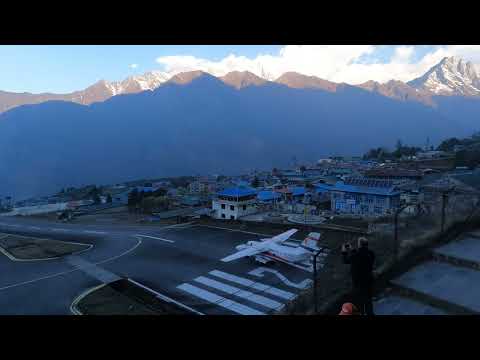
Your guide picks you up from your hotel early in the morning and drives you to the domestic terminal of Tribhuvan International Airport. The small plane to Lukla flies east for about 35 minutes. Sit by the window, and you’ll see green hills, terraced farms, and river valleys, then the white peaks of the Himalayas. The plane lands at Tenzing-Hillary Airport (2,840 m), on one of the shortest and steepest runways in the world.
After you step off, you meet your porters, who will carry your main bags for the whole trek. Lukla is a Sherpa village; walk on its main street, and you will pass bakeries, tea shops, gear stores, and lodges. This is a good place to have a hot drink and get ready for the trail.
The walk to Phakding is short, so it is an easy first day. You walk about 8 km in 3 hours, mostly downhill, from 2,840 m to 2,610 m. The stone path follows the Dudh Koshi River through pine forest and the small villages of Chheplung and Ghat. You will see potato fields, mani walls, Kukum Kangru mountain, and prayer wheels that Sherpa families turn as they pass. By afternoon, you’ll reach Phakding and spend the night at Sherpa Guide Lodge or a similar lodge.
Trek Phakding – Namche
Activity
11 km or 5-6 hours walk
Highest Altitude
3,440 m, Namche
Accommodations
Khumbu Lodge or similar
Meals
Breakfast, Lunch and Dinner
Today, you’ll leave Phakding and follow the Dudh Koshi River through the Sherpa villages of Benkar and Chomoa. You’ll cross several steel suspension bridges, and sometimes a pack of yaks or porters shares the bridge with you, so step aside and let them pass. After 2.5 to 3 hours, you reach Monjo, where the gate of Sagarmatha National Park stands. Your guide registers your permits here, and you can look at the map that shows the park’s plants, animals, and Sherpa history.
Just below Monjo, you reach the Jorsale village where you’ll stop here for lunch. After Jorsale, the trail follows the river to the meeting point of the Bhote Koshi and the Dudh Koshi. Two suspension bridges hang here, one above the other. You cross the upper one, the famous Hillary Suspension Bridge. Right after the bridge, the real climb of 600 m begins before reaching Namche Bazaar (3,440 m). This Sherpa capital is situated in a bowl-shaped hillside, with stone lodges, bakeries, museums, pubs and shops.

Rest day
Activity
6 km or 3-4 hours walk
Highest Altitude
3880 m, Everest View Point
Accommodations
Khumbu Lodge or similar
Meals
Breakfast, Lunch and Dinner
Today, we enjoyed a well-deserved break in Namche Bazaar. Our morning agenda begins with a hike to Hotel Everest View, a renowned spot offering our first glimpse of Mt. Everest. This excursion promises panoramic views of Lhotse, Nuptse, Thamserku, Kongde Ri, Khumbila, and many other majestic peaks. Depending on our energy levels and preferences, we can opt to extend our trek to Khumjung Monastery or simply return to Namche Bazaar for a laid-back day of relaxation.
Namche Bazaar stands as the largest Sherpa community in the Khumbu region. Beyond its cultural significance, it’s a tourist hub, with cafes, bars, souvenir shops, eateries, and museums. The town exudes a peaceful atmosphere that might surprise you. If your visit coincides with a Saturday, don’t miss the Saturday Market.
Namche – Tengboche
Activity
9 km or 5-6 hours walk
Highest Altitude
3860 m, Tengboche
Accommodations
Hotel Himalayan or similar
Meals
Breakfast, Lunch and Dinner
Once you leave Namche and reach the top of hill, the trail turns flat and follows the hillside high above the Dudh Koshi River. This is one of the best walks of the whole trek. The beautiful peak of Ama Dablam stands straight ahead of you, and on clear mornings you can see Mount Everest, Lhotse and Nuptse to the left. Watch the hills for Himalayan tahr, which are wild mountain goats, and for the Himalayan monal, a colorful pheasant. You pass Sanasa, where the path to the Gokyo Lakes splits off to the left, and then the trail drops towards Phunki Thenga (3,250 m).
A small bridge crosses the river here, and this is where you stop for lunch. After lunch you cross the suspension bridge and start a climb of about two hours to reach Tengboche (3,860 m). This village is built around Tengboche Monastery, known locally as Dawa Choling Gompa which is is the largest Buddhist monastery in the Khumbu region. Behind it, Ama Dablam and Everest stand like a wall of rock and ice. Visit the monastery before dinner, and if the monks are praying, you are welcome to sit quietly and listen.

Tengboche – Dingboche
Activity
10 km or 4-5 hours walk
Highest Altitude
4410 m, Dingboche
Accommodations
Hotel Stupa inn or similar
Meals
Breakfast, Lunch and Dinner
You’ll trek down through a forest to the village of Deboche, a short walk of about 20 minutes. Soon, you’ll cross a suspension bridge over the Imja Khola River and climb a stone stairway to Upper Pangboche, one of the oldest Sherpa villages in the region. The trail passes above the village and gives you a close view of Ama Dablam, Lhotse, Nuptse ridge and the north face of Ama Dablam. About three hours into the walk you reach Shomare (4,010 m) for lunch. Try the garlic soup, which Sherpa people drink to adjust the body to the height.
About an hour past Shomare you reach a large chorten at a fork in the trail. The path to the left leads to Pheriche, while you follow the right-hand trail downhill to a wooden bridge over the Khumbu Khola stream, then continue uphill for about 45 minutes to reach Dingboche (4,410 m). The village is covered in a patchwork of low stone walls built by local families to protect their barley, buckwheat and potato fields from the wind. People call it the Summer Valley because the crops grow here in the warm months.

Rest day
Activity
3-4 hours walk
Highest Altitude
5083 m
Accommodations
Hotel Stupa inn or similar
Meals
Breakfast, Lunch and Dinner
Today is another rest day, but you do not sit still. Your body needs time to get used to the thin air before you go higher, and a short hike is the best way to help it. After breakfast you walk up for 3 to 4 hours towards Nangkar Tshang Peak, which is about 600 m above Dingboche. From the top you see a huge ring of mountains, including Ama Dablam, Lhotse, Makalu and Island Peak. Colorful prayer flags and small piles of stones mark the trail as you explore the area before returning to Dingboche for lunch.
The rest of the day is yours to enjoy the village. Dingboche is located in the Imja Khola valley and is one of the highest Sherpa villages on the route. Walk around its stone walls and watch local families work in their barley and potato fields. You may see yaks resting near the houses and smoke rising from stone kitchens. Stop at a teahouse for hot milk tea or a plate of fresh momo (Nepali dumplings), and chat with your guide and other trekkers. Drink plenty of water and go to bed early because tomorrow you’ll climb toward Lobuche.
Dingboche – Lobuche
Activity
8 km or 5-6 hours walk
Highest Altitude
4910 m, Lobuche
Accommodations
New EBC Lodge or similar
Meals
Breakfast, Lunch and Dinner
Today, you may see other trekking groups heading in different directions from Dingboche, as it is the starting point for trails to Chhukung and the three high passes of the Everest region. Your route to Lobuche follows open, dry hillsides with few trees and few settlement. After about three hours you reach Thukla, where the trail to Everest Base Camp meets the path that leads to the Gokyo Lakes by the high Cho La pass. A good place to stop for lunch is one of the teahouses here, where you can warm up with a bowl of soup and a cup of tea before the climb.
After lunch you follow the northern path os the Khumbu Glacier and climb to Thukla Pass (4,830 m). At the top of this you’ll find a long line of stone memorials and prayer flags, built to honor Sherpa guides and climbers from many countries who died on Mount Everest. From the pass the trail continues towards Lobuche (4,910 m), where you spend the night in a simple lodge. The nights here are cold, so keep your warm clothes close and drink plenty of water. If you feel a headache or find it hard to sleep, tell your guide, who checks how everyone is feeling each evening.

Lobuche – Gorakh shep – Everest Base Camp
Activity
11 km or 7-8 hours walk
Highest Altitude
5364 m, Everest Base Camp
Accommodations
Snowland Lodge or similar
Meals
Breakfast, Lunch and Dinner
After breakfast at your lodge in Lobuche, you start a shorter walk of about 3 to 4 hours to Gorak Shep. The trail is mostly flat at first and then climbs a little here and there. Even so, this is the day you climb above 5,000 m, so walk slowly and pay close attention to how you feel. A headache that does not go away, feeling sick or dizzy, or unusual tiredness are all signs of altitude sickness, and you should tell your guide right away. The ground is not comfortable, so take your time and place each step with care before reaching Gorak Shep (5,140 m). Eat a warm lunch at your lodge and rest for a little while before the next walk.
In the afternoon you set out for Everest Base Camp (5,364 m). The path from Gorak Shep is almost flat, but it crosses rocky surfaces and sandy patches on the edge of the glacier, so it takes a few hours to complete. At base camp, you stand on the edge of the Khumbu Glacier, where climbers start their long journey toward the top of Mount Everest. Take your time here to look around, take photos and enjoy the moment of reaching the goal. Then walk back to Gorak Shep for dinner and your overnight stay.

Visit Kala Patthar , helicopter return to Lukla and Kathmandu
Activity
3 hours walk
Highest Altitude
5545 m, Kala Patthar
Accommodations
Everest Mountain Home or similar
Meals
Breakfast, Lunch and Dinner
Put on all your warm clothes around 4:00 AM, including a down jacket, windproof coat, thick gloves and a warm hat, and switch on your headlamp. The path to Kala Patthar starts just behind the lodges and climbs over dark stones grounds. Take small, slow steps and breathe deeply, because the air is very thin. After about two hours you reach the top at 5,545 m. As the sun rises, the tip of Mount Everest turns gold, with Nuptse, Lhotse and Changtse beside it and the Khumbu Glacier far below you. This is the closest view of Everest on the whole trek.
Take your photos quickly, since the wind is strong and cold, and walk back down to Gorak Shep for a breakfast. After breakfast you pack your bags and walk to the helicopter landing area at Gorak Shep. Flights leave in the morning, when the air is clear and calm, so your guide confirms the exact time with the pilot. You fly over the Khumbu Glacier, Tengboche Monastery and the Dudh Koshi valley in just over an hour. The helicopter flies directly to Kathmandu and lands at Tribhuvan International Airport, where your driver takes you to your hotel.
Final departure home
Activity
Transfer to airport
Highest Altitude
1338 m, Kathmandu
Meals
Breakfast
Pack your bags, and if you rented a down jacket or sleeping bag in Thamel, return it to the rental shop to get your deposit back. Hotel check-out is usually around 12:00 PM. If your flight leaves later, the hotel can keep your luggage safely while you spend the afternoon in the city. Your guide or driver takes you to Tribhuvan International Airport, which is about 30 to 45 minutes from Thamel.
Plan to arrive at least 3 hours before your international flight, because the lines at the entrance, baggage check and immigration can be long. At the terminal, your guide says goodbye with a “Namaste” and wishes you a safe flight home. You leave Nepal with new friends and a story about standing in the beneath the Mount Everest.
Note
All the flight operates from Ramechhap to Lukla in the months of April, May , October and November. You will drive early in the morning from Kathmandu to Ramechhap and fly from there. If you do not want to go Ramechhap, the sharing Helicopter is available from Kathmandu – Lukla.
Travel Map

Whats Included?
Everything you need for a safe, comfortable, and memorable trek — packed into one transparent price. Below is a full breakdown of what is covered in your Everest Base Camp Helicopter return trek package.
Accommodation & Meals
- Lodge : 4 Nights (Namche Bazaar, Dingboche) have attached bathroom and 4 Nights (Phakding, Tengboche, Lobuche, Gorak Shep) have common room.
- Hot Shower in Namche .
- Meals: 10 Breakfasts, 8 Lunches & 8 Dinners during the trek.
Transportation & Flights
- Transportation : Airport pick-up and drop off at Tribhuwan International Airport and Domestic airport by private vehicle.
- Kathmandu – Ramechhap transportation if your flight is from Ramechhap.
- Flight: Kathmandu or Ramechhap – Lukla
- Helicopter: Gorak Shep – Kathmandu by sharing Helicopter.
Guide & Porter Services
- Guide: One licensed, English-speaking trekking guide.
- Porter service: one porter per two trekkers.
- Guide and Porters: Food, accommodation, salary, equipment, guide flight ticket and personal insurance etc.
Equipment & Safety
- Fingertip Pulse Oximeter — daily oxygen and pulse monitoring for altitude safety.
- First Aid Kit carried by the guide .
- Duffle Bag: One Duffle bag per trekkers on return.
Permits & Official Fees
- Sagarmatha National Park fee .
- Khumbu Pasang Lhamu Rural Municipality entrance fee.
- 13% Government VAT and all official government charges.
Complimentary Extras
- Seasonal fresh fruit en route — pomegranates & apples.
- Everest Base Camp with Helicopter Return Trek Map and Himalaya Trip branded T-shirt.
- 24/7 emergency support line available during your entire trek.
Whats not Included?
- International airfare.
- Nepal’s visa fee (15 Days US$30 and 30 Days US$50), , you fill up a form depart of immigration before you leave and pay cash and get visa on your arrival in Kathmandu airport.
- Lunch and Dinner in Kathmandu.
- All the drinks like tea, coffee, Coke, Fanta, mineral water, boiled water, hot shower, wifi, battery charge etc.
- Your trekking gears.
- Your travel insurance which should include the emergency rescue.
- Tips for guide and porters.
Pack Light, Trek Hard: Everest Base Camp with Helicopter Return
Prepare for an unforgettable adventure—trek to Everest Base Camp and return by helicopter. While the trek will test your endurance, we’ll guide you on how to pack smart and light. You’ll need only the essentials for the trek, and the helicopter return ensures a comfortable journey back. Get the most out of this trip with our packing tips for comfort, safety, and efficiency.

Available dates & Prices
If you are two or more people, private trip is available any date, providing a fantastic opportunity. If you are solo travellers, our fixed group trips are thoughtfully scheduled and offer specific departure dates.
Group Discount Pricing
Price per person — the more you travel together, the less you pay
No. of Persons
Price per Person
-
2 - 4 PaxUSD 2,199
-
5 - 9 PaxSave 5% USD 2,099
-
10+ Pax Best ValueSave 7% USD 2,049
Create Your Private Trip With
Your Own Itinerary and Dates
We are more than happy to design an itinerary tailored to your schedule and preferred route. Simply share your preferred travel dates, group size, and contact and travel details, and one of our travel experts will get in touch to help plan your journey.
Once your trip is confirmed, you’ll travel exclusively with your own group, enjoying a more personalized and flexible experience.
Booking & Payments
Book with a 20% non-refundable deposit and pay the balance before your trip starts. Cancel more than 7 days before departure and we charge 20% of the trip payment.
How booking works
- Enquire or book online, and we confirm your trip and dates.
- Send us the completed booking form with the 20% deposit, a copy of your passport and a passport-size photo.
- We send your booking confirmation, with your payment dates.
Deposit and final payment
- The deposit is 20% of the trip price, per person, and is non-refundable.
- Pay by bank transfer (ask us for the bank details; the bank service charge is paid with the deposit) or by Visa or Mastercard, with a card processing fee added.
- We do not accept bank drafts or cheques.
- Pay the balance before your trip departure date. If it is not paid in time, we may cancel the trip.
Cancellation and refunds
| When you cancel | What we charge |
|---|---|
| More than 7 days before departure | 20% of the full trip payment |
| Within 7 days of departure | The full trip payment, kept as credit to rebook within 3 years |
If you cannot travel for a genuine reason, such as death, injury or serious illness of you, a close relative or friend, redundancy or jury service, you may postpone the trip or transfer it to another person who meets the trip's requirements. Send us proof when you change the booking. This is not possible within 7 days of departure.
Weather, flights and safety
- If bad weather, no flights, landslides or political trouble stop the trip from starting, we offer a similar trip. If you cancel instead, we refund what you paid after the costs already spent, such as permits, hotels and taxes.
- Once the trip has started, flight delays, cancellations, weather or blocked roads can change the plan. We offer an alternative where we can, but these changes bring no refund, and any extra cost is paid on the spot.
- Leaving the trip early brings no refund.
- Travel insurance is required. It must cover medical care, helicopter rescue and repatriation for the whole trip.
What to Pack for EBC Trek with Helicopter Return in 2026 / 27 ?
This trek starts from Lukla 2845m and highest point at Everest Base Camp 5364m and Kala Patthar 5550m. The temperature will be cold. You must prepare warm clothes. Our comprehensive checklist covers everything from base layers to permits — organised by category so nothing gets left behind before your Everest Base Camp Helicopter Return trek begins.
Upper Body
- Trekking t-shirt
- Long-sleeves or jumper hoodie shirt are particularly suitable for avoiding sunburn.
- Down Jacket
- Gore-Tex or Waterproof Jacket
Undergarments
- Polypropylene thermal top and bottom
- Underwear
- Sports Bra
- Sando Tanks
Lower Body
- Trekking Pants and Waterproof Gore-Tex pants
- Wool-blend socks, liner socks(three pairs)
- Fleece Trousers
- Woolen Pants for the night
Headwear
- Warm Hat, scarf and Sun protect Cap
- Polarizing sunglasses
- Neck gaiters or A scarf or Face Mask or Face towels.
Hands
- Waterproof/windproof warm Gloves
Footwear
- Camp Sandal or shoes
- Comfortable Trekking Boots (used boots better to avoid the blister)
Trekking Gear
- Sleeping bag (- 20C ) with liner : Lodges do not have enough blankets at the room.
- Flash Light for evening in case of power cut or early start for Kala Patthar climb.
- Backpack or duffle bag 60-70 Litters for porter
- Quick Dry Towel
- Rain Coat/ Poncho raining possible any time
- Day back
Safety & Climbing
- Trekking Poles (Trail is step up and down hill, it is better to have trekking poles which will save your knees ).
- Snow Micro Spikes and Gaiters for winter.
- Sunscreen 30 to 40+ (face + body + lips)
First Aid Kit
- Wet Wipes
- Dettol or Betadine
- Handy Plast
- Cotton and bandage
- Strepsils (or similar)
Medical & Medication
- Diarrhoea Relief + Rehydration Sachets
- Decongestant
- Paracetamol
- Deodorant
- Diamox
- Any Other Personal Medication
Electronics & Power
- Lodges have Two pin adapter
- Power Bank + Charging
Toiletries & Hygiene
- Toothbrush + Toothpaste
- Toilet Paper
- Sanitizer, Soap, Facewash, Shampoo etc.
- Chapstick
- Moisturizers
Hydration & Nutrition
- At Least 2 litters Water bottle or plastic bladder with Filter or iodine tablets .
- Electrolyte Powders and others.
Food & Snacks
- Energy bars Mars, Snackers and others etc specially at Everest Base Camp and Kala Patthar.
- Dry fruits (Cashew , nuts, Kismis)
Documents & Money
- Original Passport, Flight ticket and copy of passport copy.
- US dollar or Npr cash or other currency for extra expenses and emergency
- Credit Card
Personal Safety
- Travel Insurance with Helicopter Evacuation is better.
- GPS unit
Ganeral
- Ear Plug if your roommate snore.
- Sim Card (Namaste and Ncell), most of places have mobile phone signal.
- Multi functional Pocket knife
Optional
Some days are short because of the high altitude. If you something for entertain, it is better for time pass.
- Card Games
- Notes Books
- Reading Books
- Camera, memory card
What do trekkers want to know about EBC Trek with Helicopter Return ?
General
There are two Base Camps on Everest. The south Base camp is Nepal side and North Base Camp is from China.
There are different package and during of this trek . If you choose Everest Base Camp Trek with Helicopter Return, it will be 9 Days trip. You will hike 6 days, 2 days acclimatization day and 1 day helicopter return to Lukla and Kathmandu.
Sleeping at Lobuche 4910m and Gorak Shep 5140m with visiting Everest Base Camp 5364m and Kalapather 5550m are most difficult part of this trek.
In our pass history, 90 – 95% trekkers successfully reach the Everest Base Camp. But 5-10% trekkers get altitude sickness.
Mt. Everest 8848.86m is the world highest peak in the world. So, trekkers or adventure lovers wants to see Everest and visit Everest Base Camp, so it is so popular.
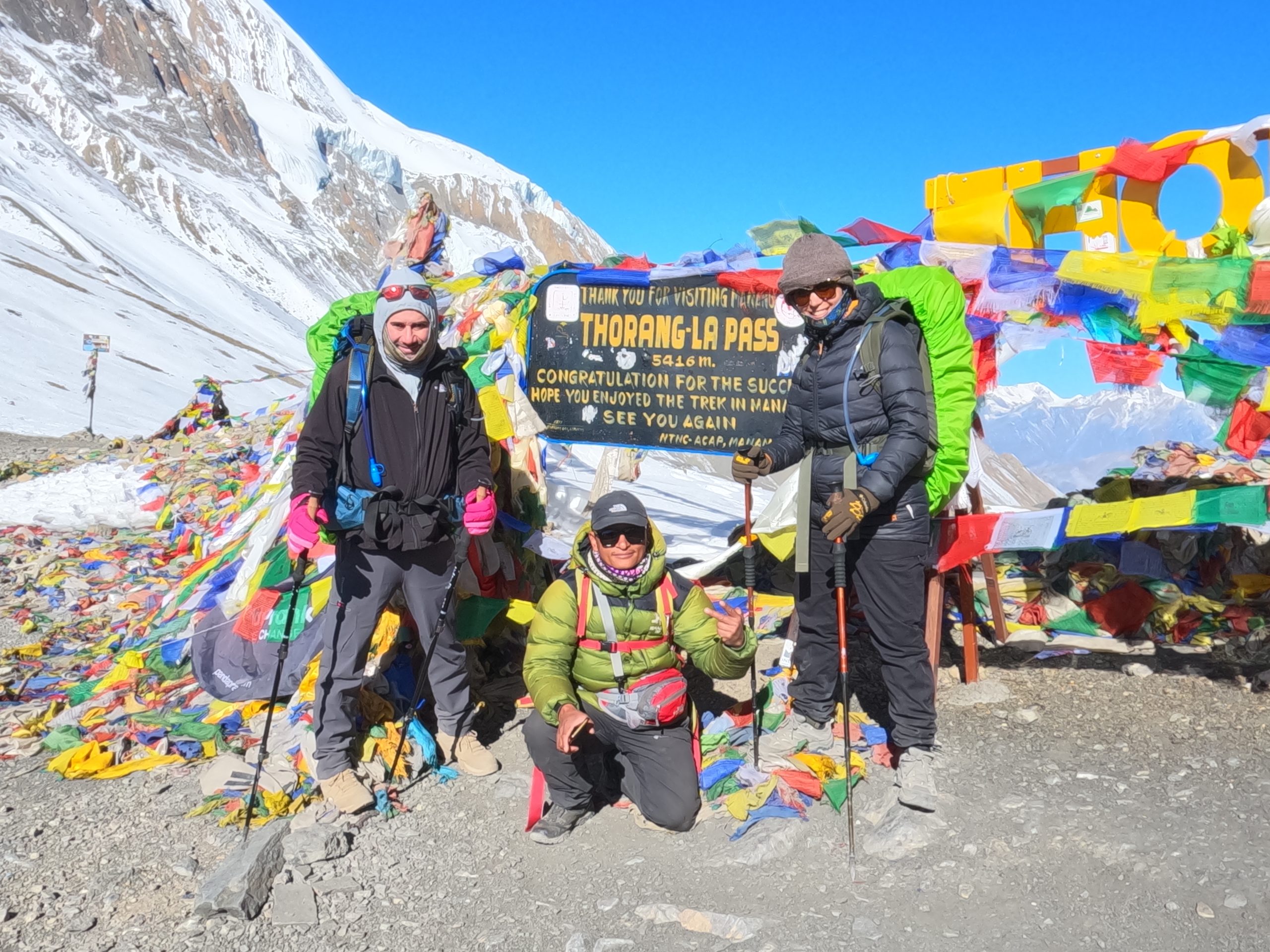
Highest point of Annapurna Circuit is Thorong La Pass 5416m and Highest Point of EBC Trek with Helicopter return are Everest Base Camp 5364m and Kalapather 5550m. Everest Base Camp is harder than Annapurna Circuit because you will need to sleep at Lobuche 4910m and Gorak Shep 5149m to do EBC and Kalapather. For Annapurna Circuit , highest point to sleep at Thorong Phedi 4450m and go over the Thorong La pass and descend to Muktinath at 3760 m.
Yeah, you will take a helicopter from Gorak Shep to Lukla and Kathmandu.
Fitness and preparation
Fitness is very important for this trek. Regular walking steps up and down hill will be helpful for you. Accept that, you do walking , treadmill, cycling, cardio exercises etc.
The Everest Base Camp trail is mostly uphill and downhill. Some parts of the trail are very deep. If the Dzo and Yaks are coming and going, you need to be careful and stay on the mountain side when you are taking photos/videos.
Packing and Equipment
The Lodges have bed, bed sheets, pillow and light blankets. You have to bring -20 C’Sleeping bag for this trek.
The mountain weather is unstable. It is possible to snow anytime in Autumn,Spring,Winter of the year. It is better to bring microspikes and guitars just in case.
Cost and Budget
The cost to trek Everest Base Camp will depend on which package you have taken, For Everest Base Camp Trek with Helicopter Return will cost you USD 2099 – USD 2199 per person.
If you decide to book this trek, you need to pay 20% and a passport copy of all the participants by email or whatsapp. We will confirm your booking. The balance amount will pay US dollar cash on your arrival.
Accommodation
There are different categories Lodges are built on the route of Everest Base Camp. You may choose Budget, comfortable, Luxury Lodges according to your budget. We provide Namche and Dingboche attached bathroom. Phakding, Tengboche, Lobuche, Gorak Shep common room with toilet bathroom sharing basis. Hot shower is available in Namche .
We provide complimentary hot showers at Namche . If you take a hot shower beside these places, it is available for a shower with extra cost.
If you want to refresh mentally , I request you to stay away . But if you want to update with your friends and family or work during the trek, Lodges have WIFI with additional charge. And in most places, there are mobile phones. You can update your relatives.
Yeah, there is electricity all over the place to recharge your phone or camera. You will charge extra for this service. The charging service is mostly at the dining hall.
The foods are Nepali, sherpa and western with their own style. Nepali Thali, Sherpa stew, Porridge, Potato items, Noodles items, Pasta or Macaroni items, Pizza, Bread with eggs etc. The foods are mostly vegetarian or vegan. As they are buddhist and they sacrificed animals in this region.
Weather and Climate
March, April, May, Mid September, October, November and mid December are the best time to visit Everest Base Camp Trek with Helicopter Return.
Yeah, it is possible to cancel and delay the Lukla flight. It all depends on the weather. It is better to have 1-2 extra days.
Permit and Visa
You can process Nepal’s Visa online 14 days before the travel date by filling up a form and print out it and bring that with you. It saves your time to fill up on your arrival at Tribhuvan International airport in Kathmandu. You will get an on-arrival Visa. You stay in the queue of payment and immigration for a visa only. Visa fees are US$30 for 15 Days and US$50 for 30 Days. You must bring cash on your arrival.
You must obtain two permits to trek in Everest Base Camp,
- Sagarmatha National Park fees NPR 3000 or US$30.
- Khumbu Pasang Lhamu Rural Municipality entrance fee NPR 3000 or US$30.
Guide and Porter
We provide a guide and a porter between 2 trekkers. In the case of 3, 5 , 7 trekkers, we still provide 2,3,4 porters. Above 9 trekkers, there will be an assistance guide as well.
You will get back to Lukla and Kathmandu from Gorak Shep by Helicopter. But Guide and Porter will walk back to Lukla.
Difficulty and Altitude
As you are going above 5000m , AMS is possible for every trekker.
- Walk slowly
- Keep drinking Every break (plenty of water 3-4 liters per day)
- Wear the cloth temperature suitable
- Our guide will monitor your pulse and Oxyzen level every day (Oximeter).
I saw some trekkers taking Diamox after landing in Kathmandu. I do not recommend this way. We have enough oxygen level till 300om . After the 3000m If you have symptoms of altitude sickness. You can take it with your guide recommendation.
Trip Reviews
We haven't found any particular reviews for this trip. If you'd like to view all our reviews, please view All Reviews.


EBC Trek Review
What our guest said EBC Trek and Himalaya Trip

Cassandra & Cedric
Three Passes & Everest Base Camp

Pippa Jephcott
Pikey Peak Trek
Majid, Sara and Shane
Annapurna Circuit Trek
Reviews from the globe

Hi! Im Sara, from Spain! Good morning! Yesterday we arrived from our 11-day trekking in Gokyo. There were 3 people from Spain, and I don’t know how to express how happy I felt. From the beginning, Himalaya Trip has been attentive to us, with a welcome at the hotel and...

Incredible!
Hi! Im Sara, from Spain!
Good morning!
Yesterday we arrived from our 11-day trekking in Gokyo.
There were 3 people from Spain, and I don’t know how to express how happy I felt.
From the beginning, Himalaya Trip has been attentive to us, with a welcome at the hotel and explanation of the route, rental of necessary equipment, etc.
The most important thing for us has been the ease and comfort with which Ramesh (our precious guide) has taken care of us at all time.
Attentive to the food, to make sure we didn’t get cold, adapting the route day by day according to the needs of the team.
I only have words of gratitude for Ramesh, who I would recommend for any trekking in the world.
In addition to being a great guide and knowing all the mountains of Nepal perfectly, he is a great person, with a big heart.
We hope to repeat in the not too distant future and hopefully it can be with him, since he is already part of our family.
Thank you for everything, from the bottom of my heart.
Thanks!!!!


Had an incredible experience doing the Mardi Himal trek with Himalaya Trip. Our guide Jay and our two porters Umesh and Masak were all simply incredible people. I’m a photographer so always have odd requests for weird areas to access for better angles or even simply just extending time in...
Couldn’t recommend enough
Had an incredible experience doing the Mardi Himal trek with Himalaya Trip. Our guide Jay and our two porters Umesh and Masak were all simply incredible people.
I’m a photographer so always have odd requests for weird areas to access for better angles or even simply just extending time in certain areas and all requests were met with so much help from the team. Highly recommend

I had an amazing time trekking with Surpa, particularly as this was my first solo trek. Beautiful views doing the Mardi Himal trek over 4 days, Surpa was a great guide who organised everything so well for me, kept me well fed, supported a good pace the whole way and...
Mardi Himal: fantastic trek & wonderful guide
I had an amazing time trekking with Surpa, particularly as this was my first solo trek. Beautiful views doing the Mardi Himal trek over 4 days, Surpa was a great guide who organised everything so well for me, kept me well fed, supported a good pace the whole way and always cheerful. Would recommend, and I would happily have him as my guide again in the future. The organisation and booking with Himalaya Trip was great, really responsive on emails and Harka was so helpful in organising everything and meeting me in Kathmandu for a briefing before the trip. Thanks so much!
Our 4 day Mardi Himal Trek with guide Milan and porter Plekta was a wonderful experience. The manager Harka Gurung met with us over coffee in Kathmandu and briefed us about expectations as this was our first trek. After that our guide met us at our hotel in Pokhara, helped...
Once in a lifetime experience in the Himalayas
Our 4 day Mardi Himal Trek with guide Milan and porter Plekta was a wonderful experience. The manager Harka Gurung met with us over coffee in Kathmandu and briefed us about expectations as this was our first trek. After that our guide met us at our hotel in Pokhara, helped us rent equipment, and handled all logistics in between. Our first time in the Himalayas was unforgettable between all the unbelievable landscapes and scenery, and we were lucky to have MIlan and Plekta with us to experience it all. I can’t begin to describe how ethereal sunrise is over the base camp, but hopefully you’ll be able to experience it soon!
Best Time for Everest Base Camp Trek with Helicopter Retur
The best time for the Everest Base Camp trek with helicopter return is spring (March to May) and autumn (late September to November). These seasons have calm weather, clear mountain views, and the most reliable morning conditions for the helicopter flight from Gorak Shep to Kathmandu. October and April are the most dependable months, since helicopters fly only in clear visibility, and cloud or strong wind can delay the return.
| Factor | Spring (March-May) | Summer/Monsoon (June-August) | Autumn (September-November) | Winter (December-February) |
|---|---|---|---|---|
| Overall rating | Excellent | Not recommended | Excellent (best overall) | Fair |
| Daytime temperature (lower villages) | 5 to 17°C | 12 to 18°C | 3 to 16°C | -2 to 10°C |
| Night temperature (Gorak Shep) | -8 to -18°C | -3 to -8°C | -5 to -20°C | -18 to -25°C |
| Weather | Warm and stable; afternoon clouds build late in the season | Heavy rain, cloud and humidity | Dry and stable | Very cold, dry, with strong wind at altitude |
| Views of Everest, Ama Dablam, Lhotse, Nuptse | Very good | Poor | Excellent | Very good |
| Flora and fauna | Rhododendron forest in bloom (March-April) | Green valleys, leeches on wet trails | Green valleys, clear air, birdlife | Bare trees, snow-covered trails |
| Helicopter return reliability | Very good | Poor, frequent delays or cancellations | Excellent | Good, with occasional wind delays |
| Trail crowds | High | Very low | Very high (peak in October) | Very low |
| Special events | Everest expedition teams at base camp (April-May), Everest Marathon (29 May) | Few events | Dashain and Tihar festivals (October-November) | Losar (Sherpa New Year) in February |
Everest Base Camp Trek with Helicopter Return Difficulty
The Everest Base Camp trek with helicopter return is moderately difficult. The flight out removes the long walk back down, which saves your knees and legs, but you still walk uphill for about 55 to 65 km (35 to 40 miles) to reach Everest Base Camp. Locals call the trail “Nepali flat”, which means a little bit up, a little bit down, and mostly up. The last part from Lobuche to Gorak Shep and on to base camp crosses shifting stones, so you need good balance and strong ankles.
The biggest challenge is the thin air, and the helicopter cannot help you on the way up. At base camp, each breath holds about half the oxygen you get at sea level. Because you know a flight is waiting, it can be tempting to hurry, but climbing too fast is the most common reason people get sick on this trek. Take the two rest days at Namche Bazaar and Dingboche, drink plenty of water and walk slowly. The flight down from Gorak Shep to Kathmandu quickly relieves any altitude sickness, though some people feel ear pressure, a short headache or mild dizziness after landing.
Helicopters used in this Tour
The helicopter type depends on the operator and on what is available on the day. Most operators use the Airbus H125 (often called the AS350 B3), because it is one of the few helicopters that can fly and land safely above 5,000 m. Smaller models such as the Robinson R44 and R66 are used on some flights, but they handle lower altitudes only, so they are not suited to the Gorak Shep pickup.
Because of the thin air at high altitude, each helicopter carries a limited number of passengers, and this affects how the return flight is arranged. Larger groups may be split across more than one flight or moved in short shuttle legs, and solo travelers can share a helicopter with other trekkers to keep the cost lower. We’ll confirm the aircraft, the seating, and the pickup plan before departure, based on group size, weight, and weather.
Ever Wonder What It’s Like to Trek to Everest and Fly Back by Helicopter?
Choose a thrilling adventure to Everest Base Camp on foot, then enjoy a quick and scenic helicopter return. This trek offers the best of both worlds—an immersive trekking experience and a fast return with breathtaking aerial views.
How the Helicopter Return Works?
The helicopter picks you up at Gorak Shep after you have visited Everest Base Camp or watched the sunrise from Kala Patthar. Your guide arranges the pickup time with the operator, and most flights leave in the morning because the air is clear and calm then. The helicopter flies directly from the Everest region to Kathmandu with no stops along the way. The flight takes about 1 hour and 15 minutes to 1 hour and 30 minutes, and you see the whole Khumbu Valley below you in a fraction of the time it took to walk up.
Weather decides the exact timing. If cloud, wind, or poor visibility stops the flight, the helicopter waits until the sky clears, and you stay another night at Gorak Shep or move to a lower village such as Pheriche. This is why a spare day at the end of the trip is a smart idea. Luggage is simple to manage. You carry a small bag on board up to 10 kg, because every extra kilogram matters in thin air. Your guide confirms the baggage limit, pickup time, and seat plan before you leave Kathmandu.
Acclimatization on the 11-Day EBC Trek
Acclimatization means giving your body time to get used to thinner air as you climb higher. On this trek, it happens mainly at Namche Bazaar (3,440 m) and Dingboche (4,410 m), where the itinerary includes a rest day at each place. It matters because the air at Everest Base Camp holds about half the oxygen found at sea level. A body that climbs too fast can get altitude sickness, and the flight out cannot protect you on the way up. On a rest day, you do not sit still. You take a short walk to a higher viewpoint, such as the Everest View Hotel above Namche or a ridge above Dingboche, and then come back down to sleep at the lower height.
Your guide checks how everyone feels each morning and each evening, and you are asked to drink plenty of water, walk slowly, and eat well. Mild headache, light tiredness, and poor sleep are common and pass with rest. Tell your guide at once if you feel a headache that does not ease, nausea or vomiting, dizziness, unusual breathlessness at rest, confusion, or trouble walking in a straight line. These signs mean you should stop climbing and go down, and the helicopter makes a quick descent possible if it is needed.
What Makes the 11-Day Helicopter Return Trek Different?
Both treks follow the same trail to Everest Base Camp and Kala Patthar. The difference is the way back. The classic trek walks down the same trail for three days and flies from Lukla to Kathmandu. This package skips that walk and flies from Everest Base Camp straight to Kathmandu.
| Feature | Classic EBC Trek | 11-Day Helicopter Return Trek |
|---|---|---|
| Route | Trek up → EBC → trek back → Lukla → Kathmandu | Trek up → EBC → Kala Patthar → helicopter → Kathmandu |
| Trip length | 14 days | 11 days |
| Walking days | 11 days of trekking | About 8 days of trekking |
| Walk back down | 3 long days via Pheriche, Namche Bazaar and Lukla (6 to 8 hours each) | None |
| Total walking distance | About 130 km | About 55 to 65 km |
| Return to Kathmandu | Trek to Lukla, then a 30-minute plane flight | Helicopter flight from Gorak Shep to Kathmandu |
| Pressure on knees and legs | High, because of long downhill days | Low, since the hardest downhill part is skipped |
| Seeing the Khumbu Valley again | On foot, the same scenery as the way up | From the air, in one flight |
| Weather risk at the end | Lukla flights can be delayed | Helicopter flights can be delayed (keep a spare day) |
| Best for | Trekkers who want to walk the whole route both ways | Travelers with limited time, tired knees, or a wish for a faster return |
Who Is the Everest Base Camp Trek With Helicopter Return Best For?
- Travelers with limited vacation time: The flight out removes the long walk back, so the whole trip fits into 11 days.
- Trekkers who want to reach base camp but skip the long return: You finish with a morning at Gorak Shep and a flight to Kathmandu instead of three more days of downhill walking.
- Experienced hikers who want an efficient plan: If you have walked at high altitude before, you can spend your energy on the climb and the views instead of the return trail.
- Private groups: Friends, couples and colleagues can set their own speed, choose their flight time and share the helicopter among themselves.
- Families and older travelers, where it is physically right: The walk up is still 5 to 7 hours a day at high altitude, so children and older travelers should only join if they are fit enough for the full climb.
- Travelers who want trekking and a helicopter flight in one trip: You get the villages, monasteries, and mountain trail on foot, then a flight over the Khumbu Valley to finish.
Trips You May Like
Phaplu to Everest Base Camp Trek
15 Days
Trekking
USD 1,299 per person
Luxury Everest Base Camp Trek
12 Days
Trekking
USD 2,499 per person
Everest Base Camp Trek
14 Days
Adventure Treks
USD 1,349 per person