Winter and Monsoon Special Offer! Get 5% off on all trekking packages in Nepal . Visit during June , July, August, December , January and February and take advantage of this limited-time deal.


Why You'll Love the Mardi Himal Trek
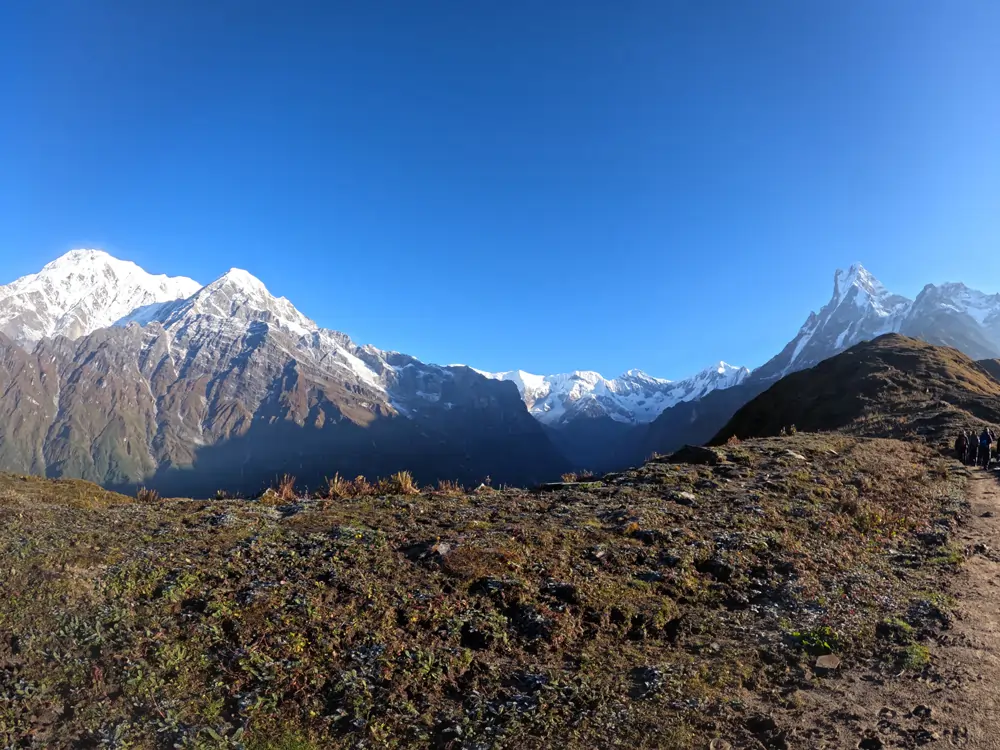
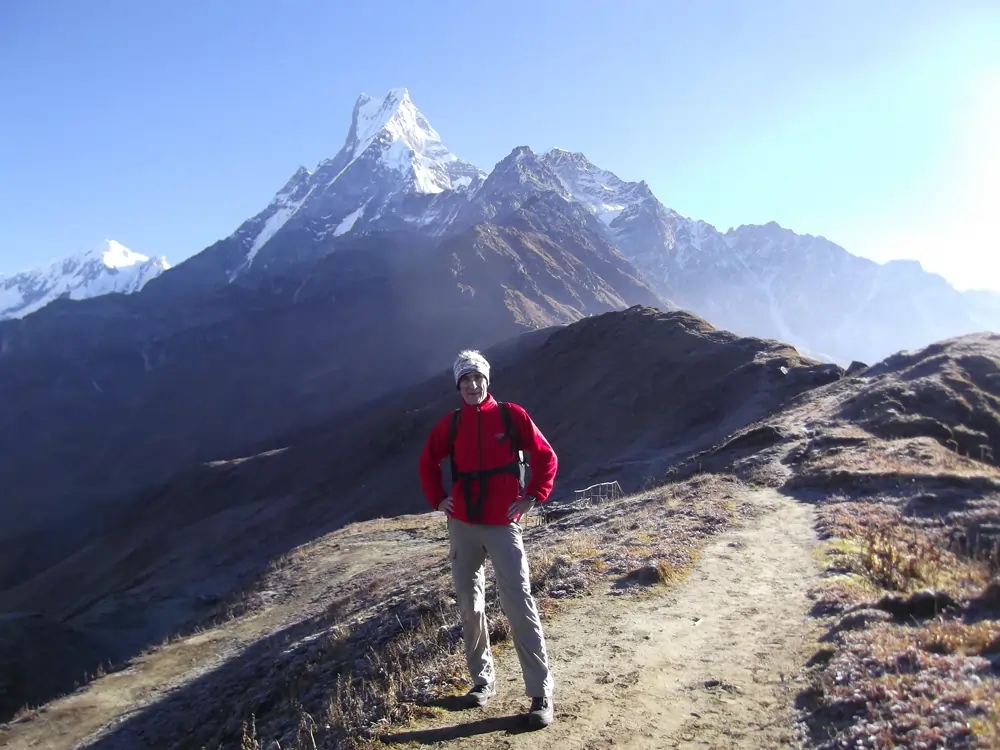
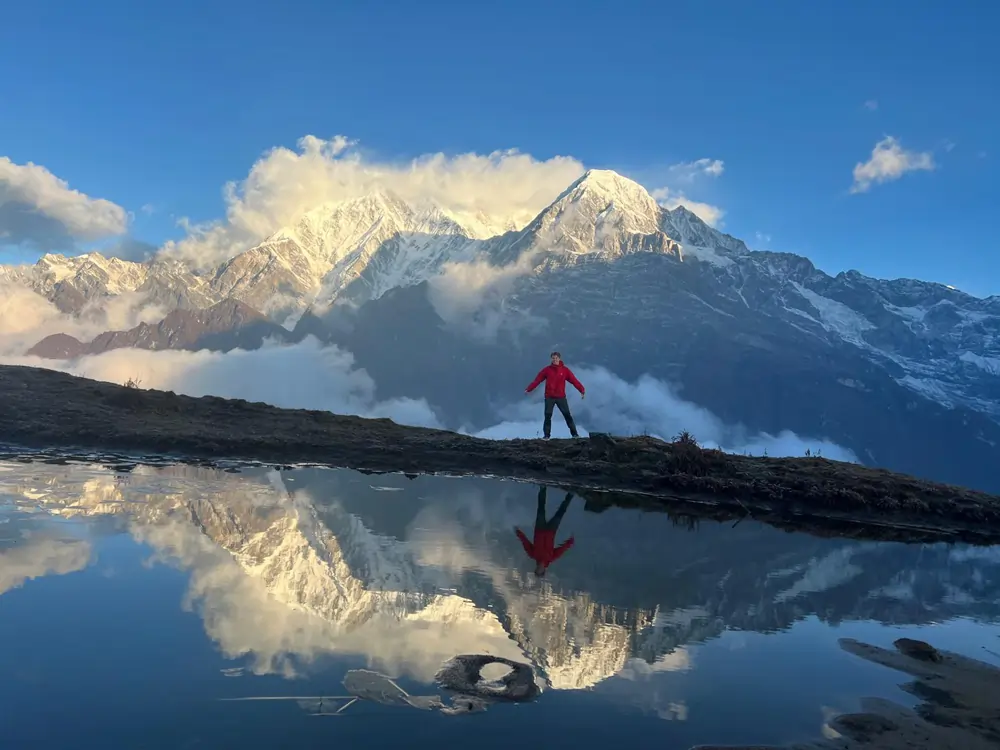
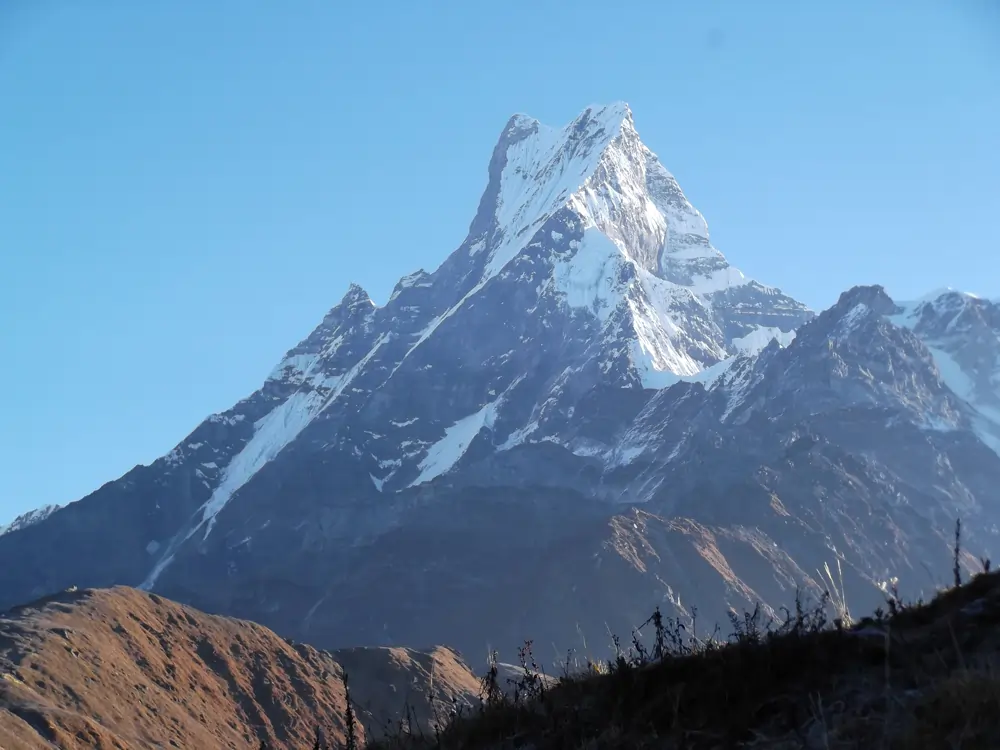
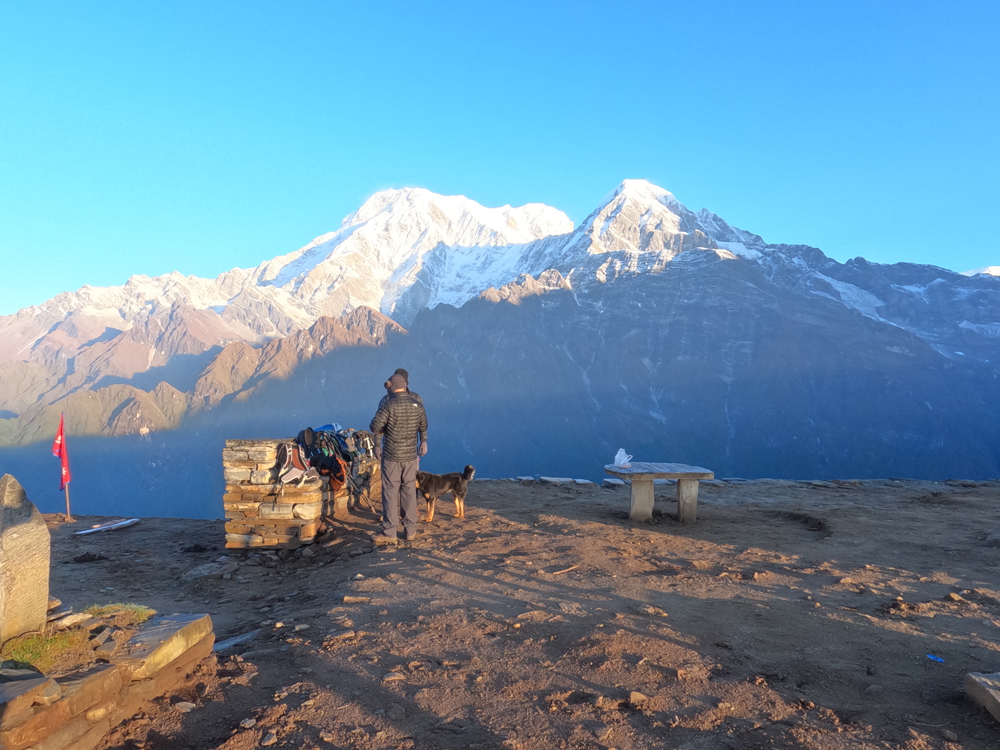
- Stand at Mardi Himal Viewpoint (4,200 m) for one of the closest views of Mardi Himal (5,587 m), Machhapuchhre (6,993 m), Annapurna South (7,219 m), and Hiunchuli (6,441 m).
- Traverse beautiful rhododendron, oak, maple, and hemlock forests between Kande and Low Camp.
- Visit Siding village to observe the rural Gurung and Magar culture
- Witness red, pink, and white rhododendron blossoms in the path between Australian Camp and Low Camp during March and April.
- Stay in family-run mountain teahouses that provide warm Nepali hospitality.
- Ride a Himalayan drive between Pokhara and Kande.
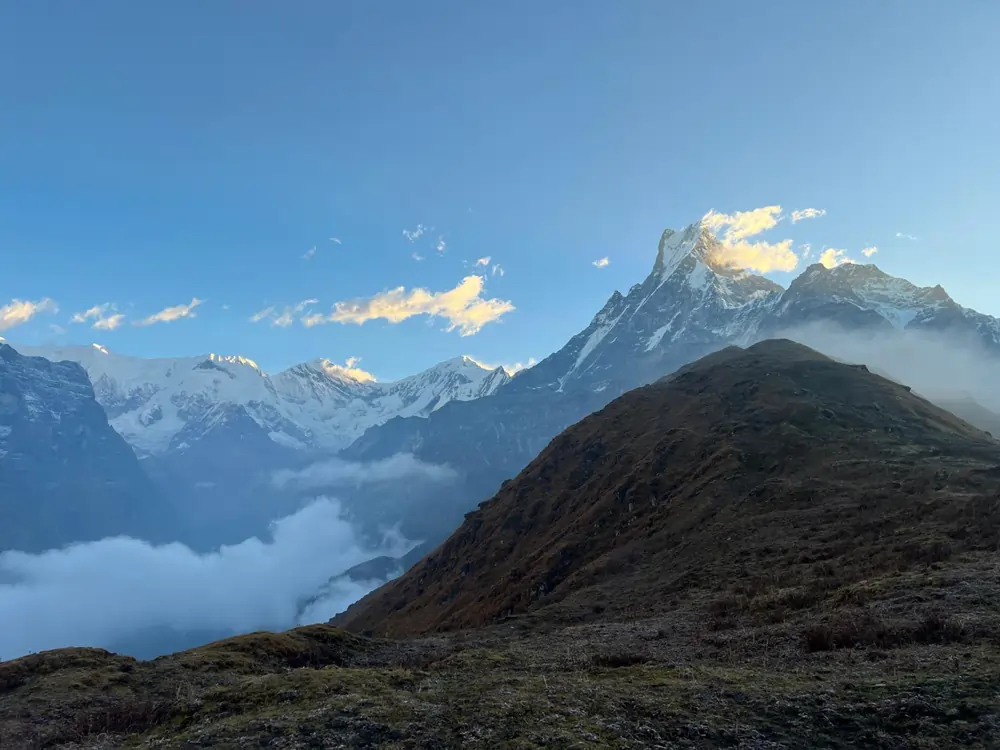
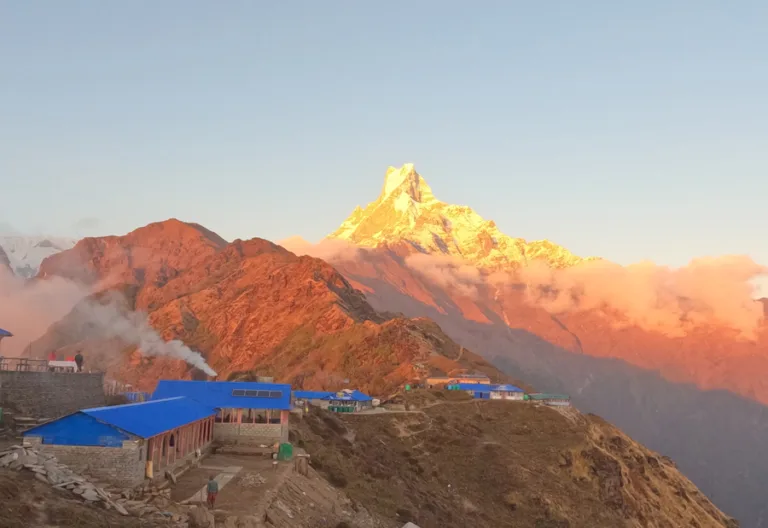
- Capture a beautiful sunrise view from Badal Danda or High Camp.
Activity
Adventure Treks
Altitude
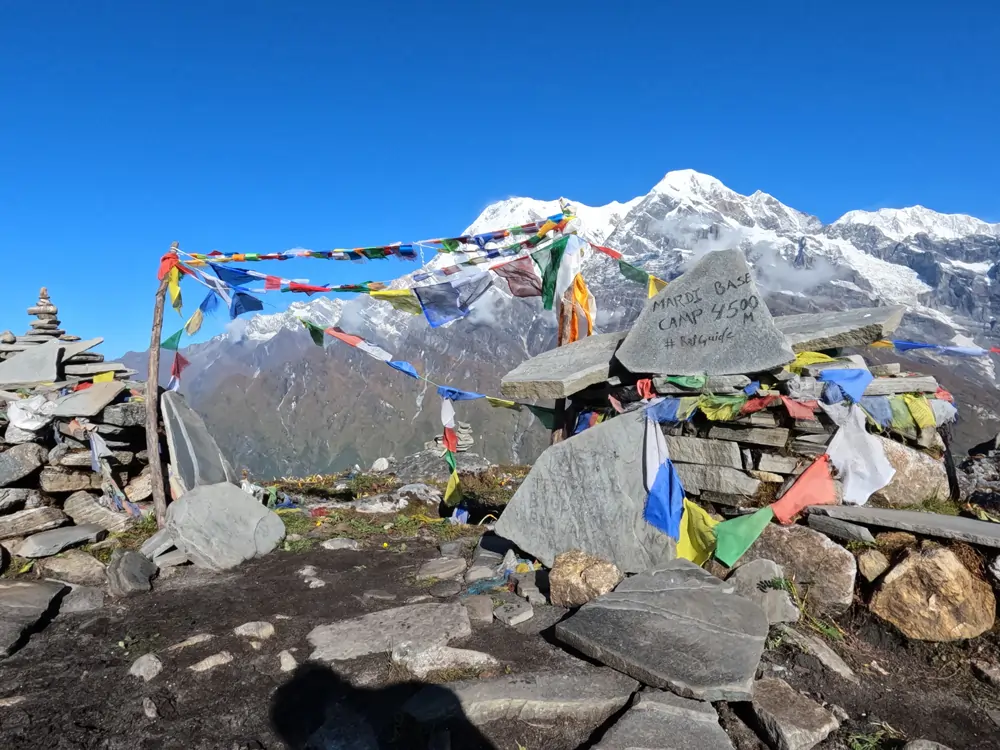
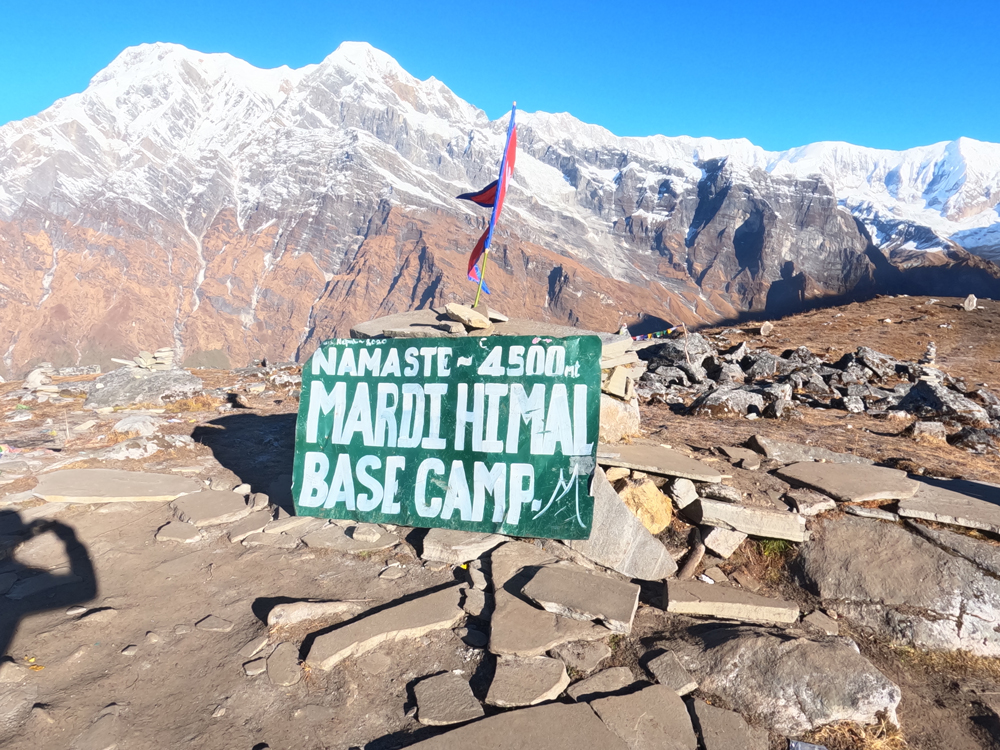
4500 m, Mardi Himal Base Camp
Best Season
Sept-Nov and March - May
Meals Included
3 Breakfast, 4 Lunch 3 Dinner
Transportation
Taxi or Jeep, Bus
Destination
Most Popular Treks
Accommodation
Lodge
Duration
4 Days
Region
Annapurna Region Treks
Group Size
2 - 20
Difficulty
Moderate
Activities
4 Days Trekking
Overview of Mardi Himal Trek
The Mardi Himal is one of the hidden gems in the Annapurna region of Nepal. Unlike other popular treks in the Annapurna region, such as the Annapurna Base Camp Trek or the Annapurna Circuit Trek, the Mardi Himal Trek is a short yet equally rewarding experience. The Mardi Himal trek trail officially opened in 2012, which makes it relatively newer than other treks in the region.
Trekking to Mardi is a great option for those looking to explore secluded and less touristy areas. Its off-the-beaten trail is far from the crowd and offers raw adventure. You will begin with a short and scenic drive from Pokhara to Kande. From here, you will start your trekking journey. You’ll walk through thick forests, open meadows, and high ridges that often feel like they’re above the clouds.
En route, you will pass by notable stops like Australian Camp, Deurali, Forest Camp, Low Camp, and Badal Danda. Ultimately, you will ascend to Mardi Himal Base Camp at an elevation of 4,500 meters. This elevation is relatively low as compared to other trekking stops like Everest Base Camp or Annapurna Circuit. Moreover, the trek duration is just between 4 and 5 days.
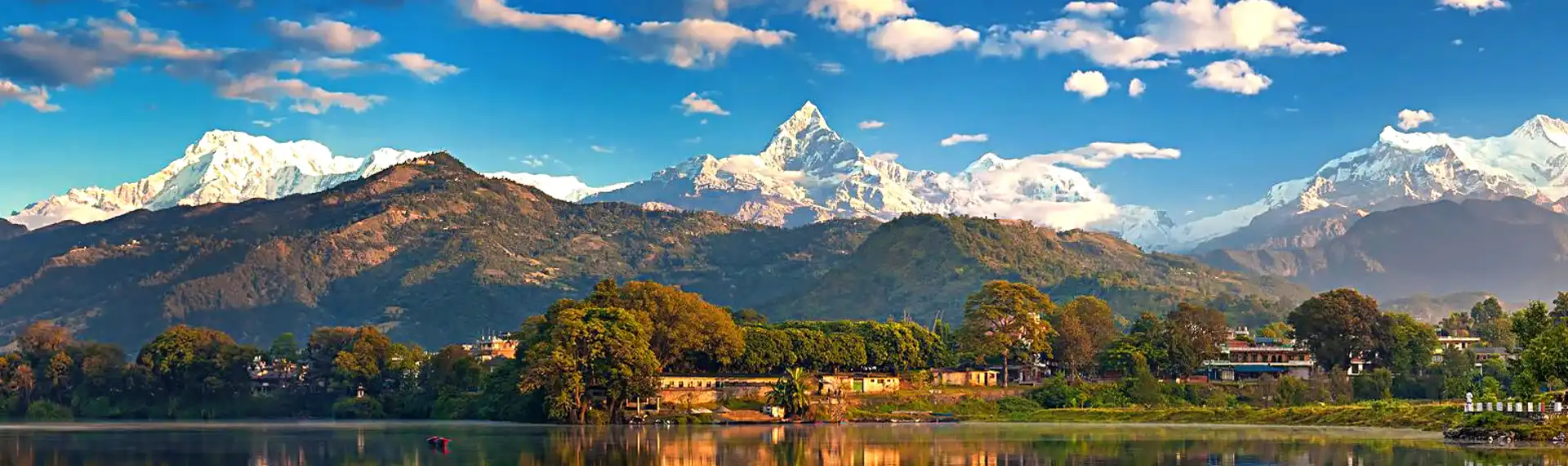
Due to the easy-to-moderate difficulty level, the venture is perfect for novice trekkers. The trek is also perfect for those seeking budget-friendly treks. Despite being short, cheap, and suitable for beginners, the Mardi trek journey still provides one of Nepal’s best mountain trekking experiences. You will have the opportunity to explore hidden valleys and visit Gurung and Magar villages, while connecting with the unique local culture. Moreover, you will get to see majestic views of towering mountains such as Annapurna, Dhaulagiri, Machhapuchhre (Fishtail), Mardi Himal, Hiunchuli, and more.
Our 4 Days Mardi Himal Trek is a unique journey that offers a refreshing and exhilarating adventure. The trip also guarantees unforgettable memories and a fulfilling experience. So, skip the crowded trekking routes in Nepal and explore the hidden and raw trails to the foothill of Mardi Himal with Himalaya Trip.
Can beginners trek to Mardi Himal?
Yes, beginners can trek to Mardi Himal if they have a normal level of fitness. The Nepal Tourism Board classifies the Mardi Himal Trek as a moderate (Grade B) trek. It does not need technical climbing skills, mountaineering experience, or special climbing equipment. The itineraries take 4 to 5 days from Pokhara, which makes it much shorter than longer Himalayan routes such as the Annapurna Circuit or Everest Base Camp Trek.
The highest overnight stay is High Camp at 3,580 m, while the highest point of the trek is Mardi Himal Viewpoint (4,200 m). Sleeping below 4,000 m reduces the risk of altitude sickness compared to many other popular trekking routes in Nepal. Most beginners can complete the trek successfully if they walk at a moderate speed, stay hydrated, give enough time for rest, and choose a guided itinerary. Recognizable trails, plenty of teahouses, and daily walking distances of 4 to 7 hours also make the Mardi Himal Trek one of the best first Himalayan trekking experiences.
The guy who knows every tea house owner’s wrote a PDF.
Harka has walked Mardi Himal more times than you’ve walked to the fridge, 350 and counting. He’s poured every shortcut, tea-house hack, and knee-saving tip into this PDF. It’s free for early birds; someday, he might start charging. Grab it now.

Mardi Himal Trek Outline Itinerary
Day 01:
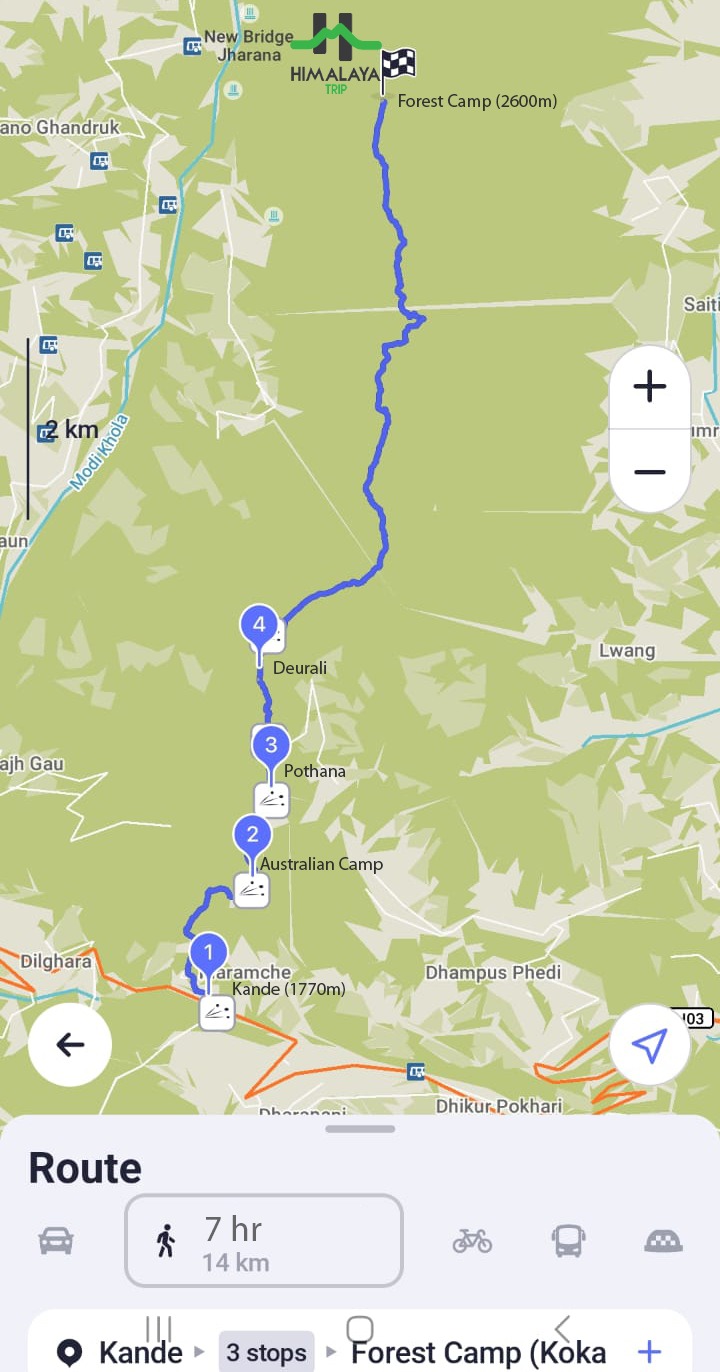
Drive from Pokhara to Kande (1,770 m, 33 km, 1 hour drive), then trek to Forest Camp (2,600 m, 14 km, 7 hours walk).
Day 02:
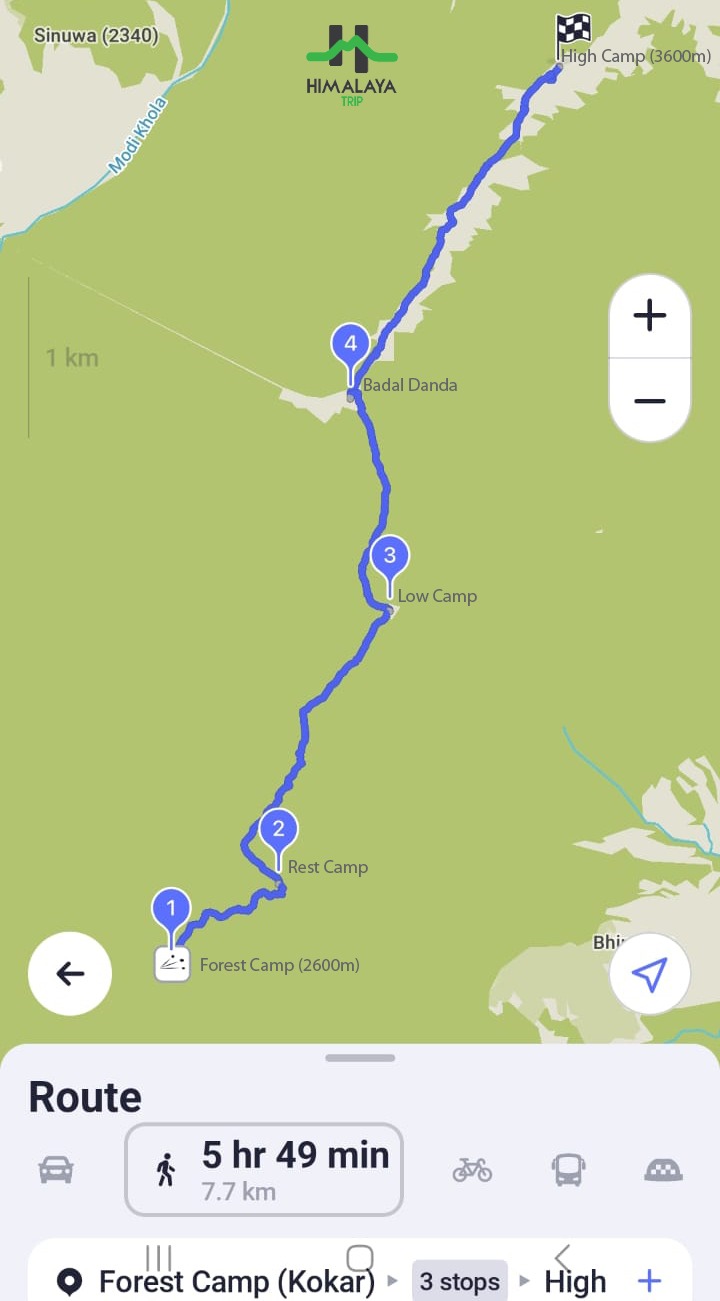
Trek from Forest Camp to High Camp (3,600 m, 7.7 km or 5-6 hours walk).
Day 03:
Hike from High Camp to Mardi Himal Base Camp (4,500 m) early in the morning. Trek back to High Camp (3,600 m) and then trek down to Badal Danda , Low Camp (2970 m, 15 km, 7-8 hours walk).
Day 04:
Trek from Low Camp to Siding (1,700 m, 4 km, 3 hours walk), then drive back to Pokhara.
Mardi Himal Trek Itinerary
Pokhara - Australian Camp - Deurali - Forest Camp
Activity
33 km, 1 hour drive, 14 km or 7 hours walk
Highest Altitude
2600 m, Forest Camp
Accommodations
Hotel Jungle Embassy or similar Lodge.
Meals
Lunch and Dinner
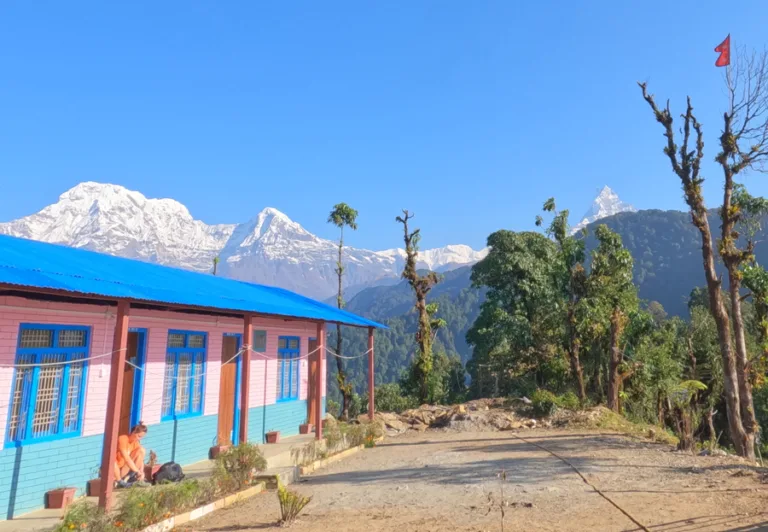
After breakfast at your hotel in Pokhara, your guide will pick you up at 8:00 AM and start your Mardi Himal Trek with a one-hour taxi/jeep drive from Pokhara to Kande. You will travel on the Pokhara-Baglung highway until you reach Kande, where your trek officially starts. From Kande, you will climb through a forest on a stone staircase for about 1–1.5 hours to reach Australian Base Camp. This is the first stop where you can see beautiful Annapurna South, Hiunchuli, and Machhapuchhre views.
Shortly after leaving Australian Base Camp, you will reach Pothana, where your trekking permits will be checked. From there, you will continue trekking for about 2 to 2.5 hours to Bhichok (Pitam) Deurali for Lunch. You will leave the main Annapurna Trail here and follow the Mardi Himal route inside a thick forest of oak, maple, and rhododendron. This part of the trail is also a great place to spot a variety of birds. From the colorful Himalayan Monal (Danphe), which is the national bird of Nepal, to Satyr Tragopan, Blood Pheasant, Cheer Pheasant, Snow Partridge, and Kalij Pheasant, 488 bird species inhabit the area.
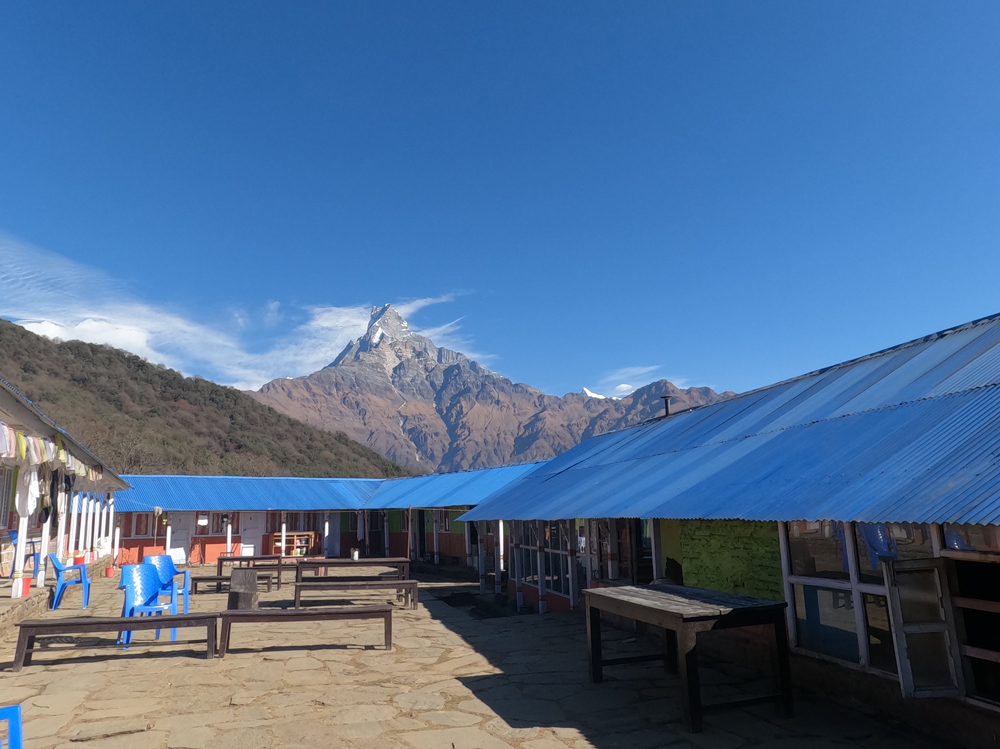
By evening, you will have arrived at Forest Camp (Kokar), where you will spend the night at Hotel Jungle Embassy’s private room with toilet and bathroom sharing, wifi, battery charge, and paid gas shower. In the case of solo traveler, you need to share a room.

Forest Camp - Low Camp - Badal Danda - High Camp
Activity
7.7 km, 5-6 hours walk
Highest Altitude
3600 m, High Camp
Accommodations
High Camp Guest House or similar Lodge
Meals
Breakfast, Lunch and Dinner
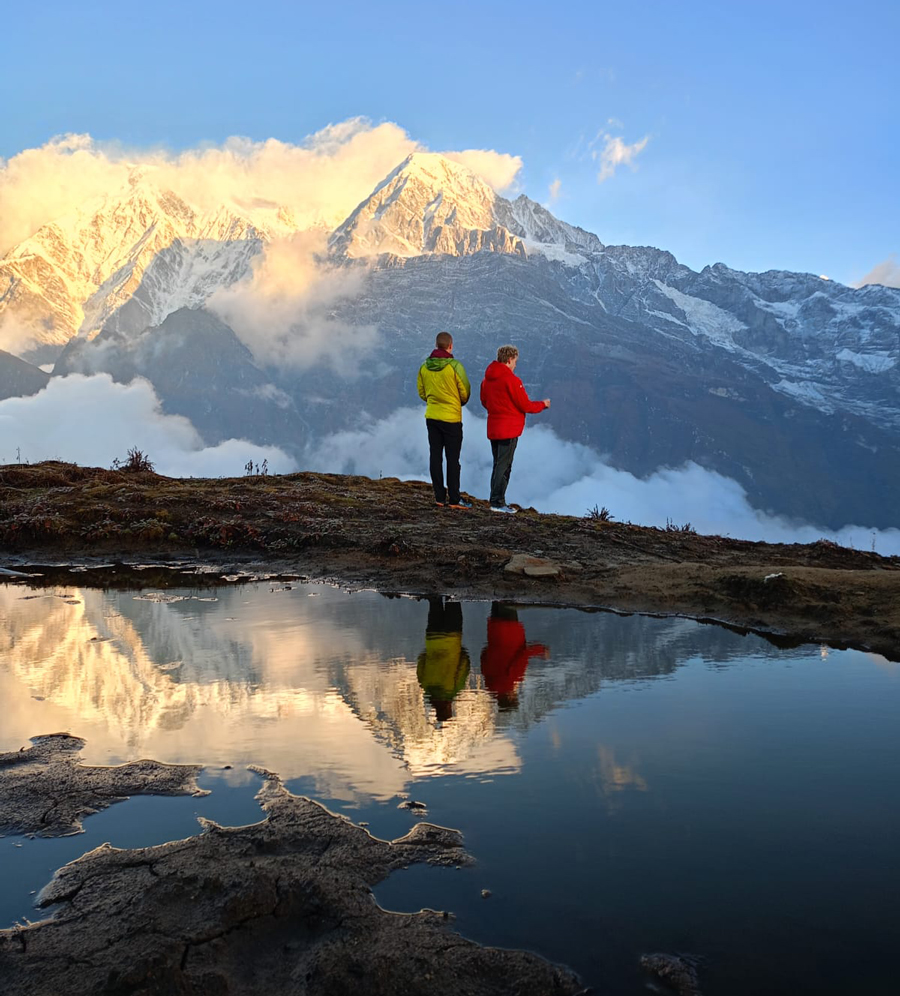
Today, you will conquer the most challenging part of the journey. First, you will make a 2.5 to 3-hour climb through the forests of rhododendron and oak to reach Low Camp. You can take a short rest or enjoy a cup of tea here, or you can continue for another 1 to 1.5 hours to Badal Danda, where you will have lunch. Badal Danda translates directly to “Cloud Hill.” True to its name, you will find yourself standing completely above a sea of white clouds.
Now it is time for the final walk of the day. The trail takes about 1.5 to 2 hours and follows an open mountain path where Machhapuchhre (Fishtail) and Annapurna South appear so close that they almost seem within reach. As you approach High Camp, you may start to feel the effects of altitude taking hold. Also, be prepared to navigate numerous narrow ridges on your way before arriving at High Camp, where you will spend the night at the High Camp Guest House.
Hike to Mardi Himal Base Camp and trek down to Badal Danda - Low Camp
Activity
15 km, 8 hours walk
Highest Altitude
2970 m, Low Camp
Accommodations
Hotel Machhapuchhre Samjhan or similar Lodge
Meals
Breakfast, Lunch and Dinner
You will receive an early morning wake-up call and start your journey to Mardi View Point to witness the beautiful sunrise views. The ascent to the Mardi viewpoint takes approximately two hours, and it is not without its challenges. The trail to the Mardi Himal Base Camp consists of rocky terrain that can be slippery. As you venture beyond 4200 m in elevation, you will feel a change in altitude.
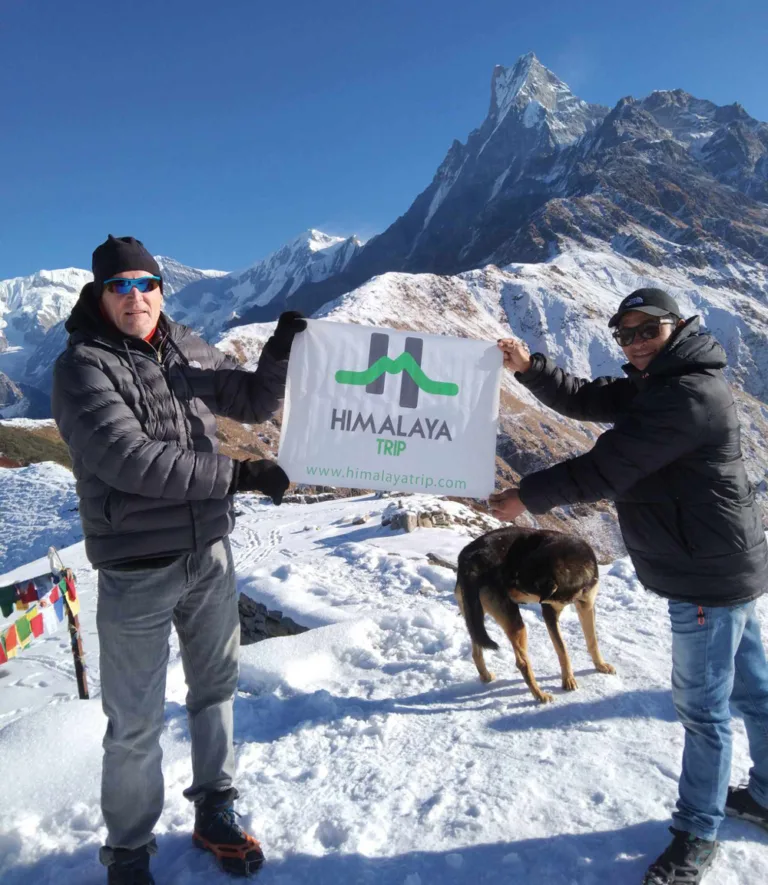
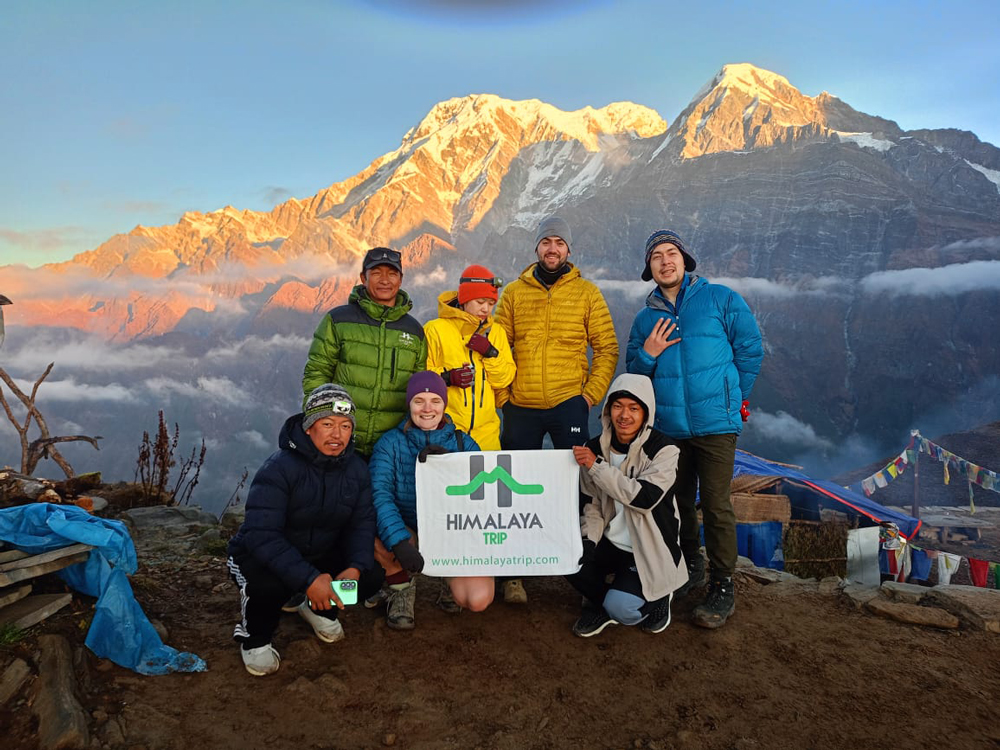
Upon reaching the Mardi Himal Base Camp (4500 m), you will be standing directly underneath the south face of Machhapuchhre (Fishtail) and Mardi Himal. The base camp offers a panorama of Mardi Himal, Annapurna South, Machhapuchhre, and Hiunchuli peaks. The sunrise from this viewpoint is often considered one of the most memorable moments of the trek.
After spending some time at the base camp, you descend to High Camp (Lunch Place ). From here, you will retrace your steps on the same trail to Badal Danda and Low Camp, where you will spend the night at Hotel Machhapuchhre Samjhana or a similar lodge.




Low Camp - Siding- Pokhara
Activity
4 km, 3 hours walk, 2 hours drive
Highest Altitude
830 m, Pokhara
Accommodations
own Hotel in Pokhara or Kathmandu
Meals
Breakfast and Lunch
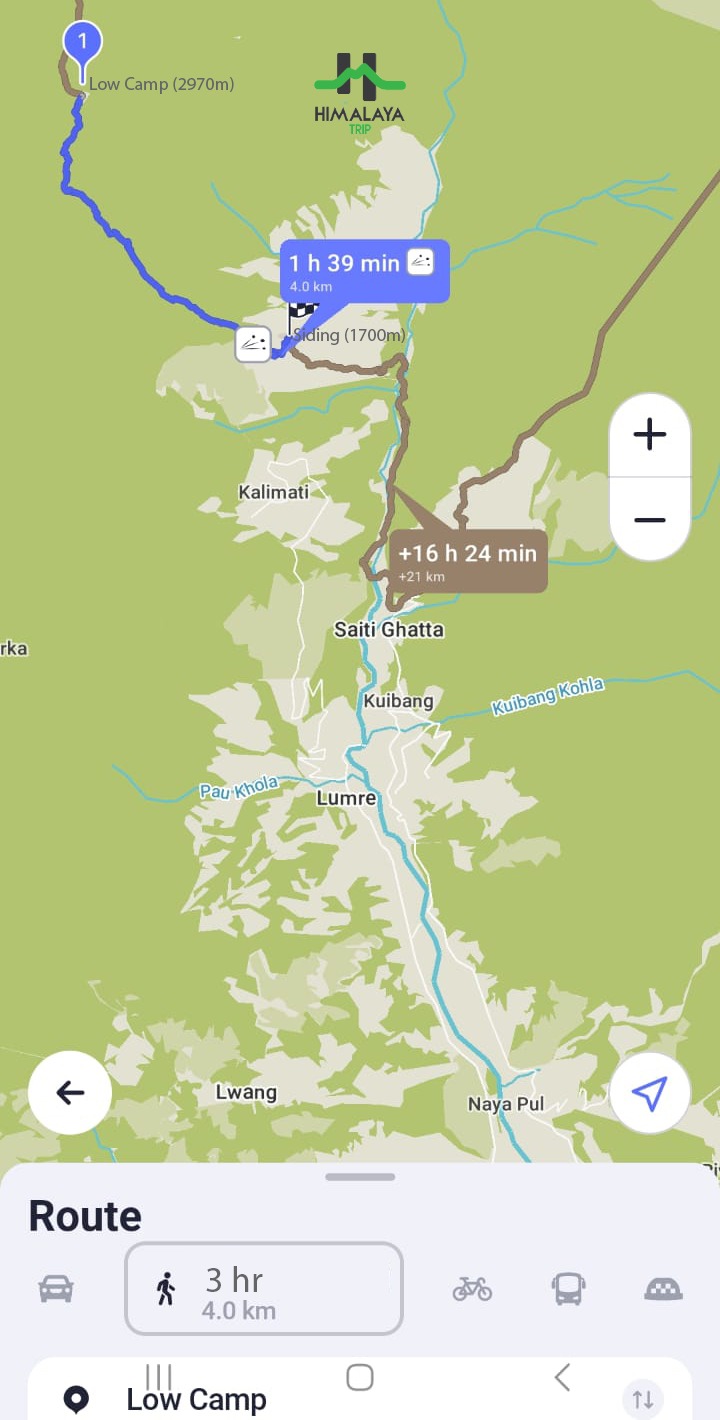
Today is the final day of your trek to Mardi Himal. After breakfast, you will descend from the Low Camp to Sidhing by following a trail through the rhododendron forest. The descent journey of the Mardi Himal Trek is easier as you pass familiar suspension bridges over mountain streams before walking into Siding, a traditional Gurung and Brahmin village with stone-roofed houses and active agricultural life.
Siding is the official end of your trek. You can sit down at a local teahouse for a celebratory lunch till then, your guide will use this time to coordinate and manage a local 4×4 jeep for your drive back to Pokhara. Your overnight stay will be at your own Hotel in Pokhara.
Fly to Kathmandu or an Extra Day at Pokhara (optional)
If you want to fly to Kathmandu, our guide will drop you off at the Pokhara airport, and you will fly back to Kathmandu.
Option: It is also possible to extend one more day. If you extend your stay by one day, you will trek from Sidhing to Lwang via Ghalel. On this day, we trek down to Lwang Village. It takes 5-6 hours walking from Sidhing to Lwang. And then overnight at the Lodge. The next day, you will drive back to Pokhara.

5 Days Mardi Himal Trek Itinerary (Optional Route Available)
| Day | Day to Day Itinerary | Altitude | Distance | Duration |
| 1. | Pokhara – Kande – Deuarali | 2100 m | 5.7 km | 4 hours walk |
| 2. | Deurali – Low Camp | 2970 m | 11 km | 5-6 hours |
| 3. | Low Camp – High Camp | 3600 m | 4.2 km | 4-5 hours |
| 4. | High Camp – Mardi Himal Base Camp back to Badal Danda | 4500 m,
3300 m, |
14 km | 6-7 hours walk |
| 5. | Badal Danda – Sidhing – Pokhara | 1700 m,
830 m, |
5.6 km | 4-5 hours walk |
Choosing the 5 Days Mardi Himal Trek itinerary over the 4 Days itinerary has many benefits aside from adding an extra day. By extending your journey by one day, you will have a better chance of acclimatization. It is especially beneficial for beginners as it gives them more time to adapt to the growing elevation and reduce the risk of altitude sickness. Similarly, an extended day also helps to reduce the daily trekking hours. During the 4 Days of Mardi Himal Trek, you must trek for 6 to 7 hours on average, while it reduces to 5 to 6 hours on the 5 Days of Mardi Himal.
It makes the journey more comfortable and physically less exhausting. Other benefits of choosing the 5-day itinerary are more time to enjoy the views, photography windows, cultural immersion, and flexibility. However, for those with limited time and a desire to reduce costs, the 4-Day Mardi Himal Trek is the best option. It offers a faster adventure pace for thrill seekers.
Mardi Himal Trek Map
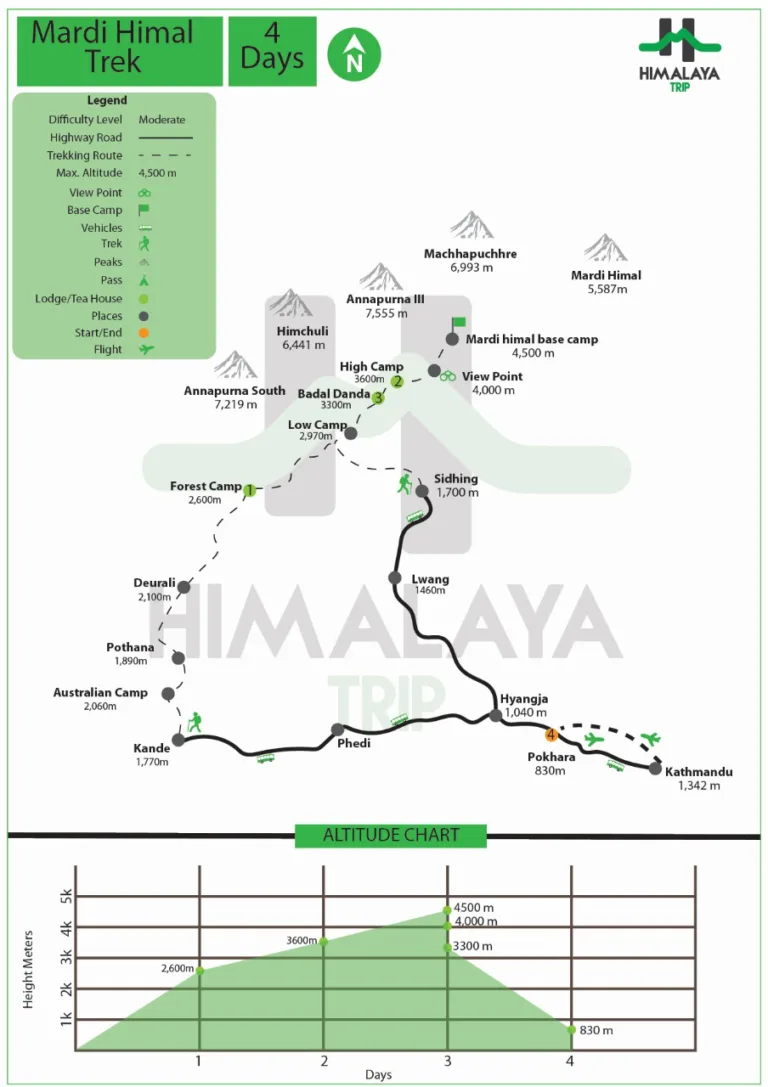
The map uses simple symbols to separate transportation, trekking routes, and landmarks throughout the 4-day Mardi Himal Trek. Solid black lines with vehicle icons represent road transfers, while green airplane icons indicate flights between Kathmandu and Pokhara. Dashed lines with hiker symbols mark the trekking trail while mountain icons show the elevations of popular peaks. The map also shows a green flag for Mardi Himal Base Camp, binocular icons for viewpoints, and numbered circles to indicate overnight stops.
The route starts at Kande and traverses Australian Camp, Pothana, Deurali, Forest Camp, Low Camp, Badal Danda, and High Camp before reaching Mardi Himal Base Camp. The return follows a different trail to Sidhing, where a road transfer continues through Lwang and Hyangja back to Pokhara. The altitude profile at the bottom of the map shows a progressive ascent from 830 m to 2,600 m on Day 1, 3,600 m on Day 2, and 4,500 m on Day 3, followed by a descent back to Pokhara on Day 4.
What's Included ?
Everything you need for a safe, comfortable, and memorable trek — packed into one transparent price. Below is a full breakdown of what is covered in your Mardi Himal Trek package.
Accommodation & Meals
- All the meals : 3 Breakfast, 4 Lunch, 3 Dinner.
- Lodge: Forest Camp , High Camp and Low Camp have 2-4 people sharing room . And paid Gas Shower available.
Transportation & Flights
- Pokhara – Kande private vehicle if you are more than 2 people.
- Sidhing – Pokhara by private Jeep if you are more than 2 people.
Guide & Porter Services
- Guide: foods, accommodation, insurance, salary, transportation, and equipment, etc.
- Optional: If you can’t carry own backpack, hike a porter between 2-3 trekkers.
Equipment & Safety
- First Aid Kit carried by the guide throughout.
- Fingertip Pulse Oximeter — daily oxygen and pulse monitoring for altitude safety.
Permits & Official Fees
- Annapurna Conservation Area Permit (ACAP).
- Himalaya Trip T-shirt.
- 13% Government VAT and official charge.
Complimentary Extras
- Local fresh fruit like Pomegranates and apple etc.
- Mardi Himal Trek Map.
- 24/7 emergency support line available during your entire trek.
Whats not Included?
- International Airfare.
- Nepal’s Visa (15 Days US$30 and 30 Days US$50), you fill up a form depart of immigration before you leave and pay cash and get visa on your arrival in Kathmandu airport.
- Hotel in Kathmandu (Kathmandu Guest House) and Pokhara (Hotel Hidden Kingdom).
- Kathmandu – Pokhara – Kathmandu by tourist bus USD 12 / Private Car USD 100 / Flight USD 115.
- All drinks tea, coffee, coke, Fanta, beer, Whiskey ,water etc.
- Your Trekking gears.
- Porter cost USD 20 per day.
- Tips for your guide etc.
Available dates & Prices
If you are two or more people, private trip is available any date, providing a fantastic opportunity. If you are solo travellers, our fixed group trips are thoughtfully scheduled and offer specific departure dates.
Group Discount Pricing
Price per person — the more you travel together, the less you pay
No. of Persons
Price per Person
-
1 PersonUSD 360
-
2 - 4 PaxSave 14% USD 310
-
5 - 9 PaxSave 19% USD 290
-
10+ Pax Best ValueSave 25% USD 270
Create Your Private Trip With
Your Own Itinerary and Dates
We are more than happy to design an itinerary tailored to your schedule and preferred route. Simply share your preferred travel dates, group size, and contact and travel details, and one of our travel experts will get in touch to help plan your journey.
Once your trip is confirmed, you’ll travel exclusively with your own group, enjoying a more personalized and flexible experience.
What to Pack for Mardi Himal Trek
While trekking, trekkers often believe the baggage must be light to enjoy the trek. However, it is not wise to leave the essential items behind. Here is a packing list created with help from experienced trekkers and local experts. This list is a guide to help you choose the right items. Remember that you may need to adjust it based on your needs, interests, and the trip season.
Note: Spikes or crampons are recommended if you are doing this trek in winter ( December – February). And if you are doing this trek in summer (June – August), a rain poncho or rain jacket is recommended.
Upper Body
- Trekking T-Shirts ×2–3
- Long-Sleeved Trekking Shirt ×1
- Warm Jacket ×1
- Fleece Jacket ×1 (Recommended)
- Waterproof Jacket ×1 (Recommended)
Undergarments
- Thermal Underwear ×1 Set
- Underwear ×3–5
Lower Body
- Trekking Trousers ×2
- Waterproof Rain Pants ×1 (Recommended)
Head Wear
- Warm Hat ×1
- Sun Hat/Cap ×1
- Buff/Neck Gaiter ×1
Hands
- Gloves ×1 Pair
Footwear
- Hiking Shoes ×1 Pair
- Trekking Socks ×3 Pairs
- Lightweight Sandals/Camp Shoes ×1 Pair
Trekking Gear
- Backpack (40L) ×1
- Sleeping Bag with Liner (-10°C) ×1
- Trekking Poles ×1 Pair
- Backpack Rain Cover ×1
Safety & Climbing
- Whistle ×1
- Rain Poncho or Rain Jacket ×1 (Recommended: June–August)
First Aid Kit
- First Aid Kit ×1
Medical & Medicine
- Personal Prescription Medicines
- Painkillers
- Blister Plasters
- ORS (Oral Rehydration Salts)
- Anti-diarrheal Medicine
Electronic & Power
- Torch/Flashlight ×1
- Camera ×1
- Memory Card ×1
- Battery Charger ×1
- Spare Batteries ×1–2
- Phone ×1
- Power Bank ×1
- Charging Cable ×1
- Travel Adapter ×1
Toiletries & Hygiene
- Toilet Paper ×1
- Quick-Drying Towel ×1
- Toothbrush ×1
- Toothpaste ×1
- Hand Sanitizer ×1
- Wet Wipes ×1 Pack
- Lip Balm ×1
Hydration & Nutrition
- Water Bottle with Filter/Purification ×1
- Electrolyte Tablets ×5–10
Food & Snacks
- Energy Bars ×4–6
- Trail Mix ×1 Pack
- Chocolate ×2–3
Documents & Money
- Passport ×1
- TIMS/Permit Documents ×1
- Cash (Nepali Rupees)
- Credit/Debit Card ×1
Personal Safety
- Sunscreen (SPF 30–40+) ×1
- Sunglasses ×1 Pair
- Insect Repellent ×1 (Especially during monsoon)
Optional
- Spikes or Crampons ×1 Pair (December–February)
- Book/Kindle ×1
- Playing Cards ×1 Deck
- Binoculars ×1
- Camera Tripod ×1
- Dry Bags/Ziplock Bags ×3–5
- Laundry Bag ×1
Got Questions About the Mardi Himal Trek?
General Information
Yes, many first-time trekkers choose the Mardi Himal Trek because of its short itinerary. Although it reaches 4,500 m, the route is manageable with proper preparation and by following the planned itinerary.
Gurung, Magar, and Tamang are the local communities that live on the Mardi Himal Trek. You can experience local culture and hospitality while walking through traditional settlements in the Annapurna region before reaching the higher alpine areas.
The trek starts from Pokhara after driving to the trailhead and ends back in Pokhara.
Yes, the Mardi Himal Trek is a new trekking route in the Annapurna region. It was developed after many classic Annapurna trails and has become popular for its mountain scenery without heavy trekking traffic.
No, the Mardi Himal Trek is known for its peaceful atmosphere more than many famous Annapurna routes. Even during popular trekking seasons, many areas are uncrowded.
Difficulty & Fitness
No, previous trekking experience is not required. A positive attitude and preparation before the trip are more important than having completed high-altitude treks in the past.
You should have a good level of physical fitness. Regular walking, hiking, or cardiovascular exercise before the trek can improve your overall experience.
Yes, physically active children with proper supervision may complete the trek. Parents should consider the child’s fitness, ability to walk, and comfort with higher elevations before planning the journey.
Yes, healthy older trekkers can complete the Mardi Himal Trek. Many senior trekkers successfully finish the route by maintaining a comfortable speed, following the itinerary, and consulting a doctor before traveling if necessary.
Yes, carrying a heavy backpack increases physical effort. Hire a porter so that you can walk with only a light daypack.
The day you hike to Mardi Himal Base Camp is the most challenging. You’ll reach the highest elevation of 4,500 m before returning to a lower altitude, which makes it the longest walking day of the itinerary.
No, the Mardi Himal Trek is a walking trail. Some rocky sections may need extra balance, but no climbing or technical mountaineering skills are needed to complete the route.
Yes, stair climbing, jogging, cycling, and other cardiovascular exercises, such as squat, push up, set up, can build the fitness needed for the trek.
No, the shorter itinerary does not make the trek easy. Although it lasts only four days, the route reaches 4,500 m with continuous uphill and downhill walking.
Transportation & Trip Logistics
No, airport transfers are not included in this 4-day Mardi Himal Trek package. The itinerary begins in Pokhara. If you want airport transfers or transportation from Kathmandu, you can request these services separately while booking.
Yes, transportation from Kathmandu to Pokhara can be arranged on request. Since this package starts in Pokhara, travelers arriving in Kathmandu should contact our team in advance to organize suitable transportation before the trek.
Yes, hotel accommodation can be arranged before or after the trek on request.
Yes, itinerary customization is available. If you want additional days, different transportation, or extra sightseeing, discuss your requirements with us before confirming your booking.
You should inform us as soon as possible. Depending on your arrival time and the itinerary, we can advise whether your trek schedule needs to be adjusted.
Yes, a private trek can be arranged. You can choose your own travel dates and trek only with your group, subject to availability.
Permits & Trip Policies
No, you do not need to arrange the permits yourself if you book this package. We will handle the permit process and prepare the required documents before the trek begins.
Yes, we can begin preparing your permits before the trek. You may need to send your passport details in advance so the permit process can be completed smoothly after your arrival.
Yes, travel insurance is recommended for the Mardi Himal Trek. Your insurance should cover high-altitude trekking and emergency helicopter evacuation up to 5,000 m if required during the journey.
Yes, last-minute bookings may be possible based on guide availability and permit processing time. Contact us as early as possible so we can confirm whether your preferred departure date is available.
Yes, it may be possible if all arrangements can be completed in time. You should share your arrival details to confirm permit processing and teahouse availability.
Yes, date changes are possible. But you should notify early so we can check the guide schedules, accommodation, and transportation before confirming the revised departure.
Accommodation & Meals
Private rooms may be available at some teahouses. During the busy trekking seasons, rooms are allocated on a first-come, first-served basis, so private accommodation cannot always be guaranteed.
Most teahouses have shared bathroom facilities. Attached bathrooms are uncommon at higher elevations, and the available facilities are more normal as you gain altitude.
Yes, we will do our best to accommodate dietary requirements whenever possible. Please inform us before your trek if you have allergies or follow a vegetarian, vegan, or other specific diet so we can advise you accordingly.
Yes, carry water purification tablets or another water treatment method. They provide an additional way to purify drinking water during the trek and reduce the use of single-use plastic bottles.
Yes, food choices become more limited as you climb higher. Supplies are transported to remote mountain lodges, so higher teahouses offer fewer menu options than those at lower elevations.
Yes, traditional Nepali meals (especially dal bhat) are served at most teahouses. Many trekkers choose local dishes because they are prepared freshly and available throughout the Mardi Himal route.
Yes, meals are prepared after you order them. Fresh preparation may take some time during busy trekking seasons when many trekkers are staying at the same lodge.
Yes, carry enough Nepalese Rupees. Higher mountain villages do not have banking facilities, and purchases such as snacks, drinks, or personal expenses are paid in cash.
Guides, Porters & Trekking Support
Yes, Himalaya Trip provides licensed and experienced trekking guides. They are familiar with the Mardi Himal route and are trained to assist you throughout the journey while prioritizing safety.
Yes, a porter is available for the trek. If you hire a porter, you only need to carry a small daypack with your essentials. Your main trekking bag will be carried by the porter, up to the agreed weight limit.
Yes, you can trek without a porter if you are comfortable carrying your own backpack. Many trekkers complete the route independently, while others hire a porter to make the trek more comfortable.
Yes, Himalaya Trip can arrange a private guide for your group. This option provides greater flexibility for your family or friends to trek at a speed that suits everyone.
Yes, your guide can point out many of the major Himalayan peaks visible during the trek. They also share information about local culture, villages, and important landmarks
No, porters and trekkers walk at different speeds. Porters move ahead or behind the group and meet trekkers again at the next accommodation stop.
Packing & Equipment
Bring clothing that can be worn in layers. A moisture-absorbing base layer, an insulating mid-layer, and a waterproof outer layer adjust you comfortably to changing temperatures at different elevations.
A daypack of about 20 to 30 liters is sufficient. It should comfortably carry your daily essentials, such as water, snacks, extra clothing, personal items, and important documents.
Yes, many trekkers prefer a camera for higher-quality mountain photography. However, a smartphone is sufficient if you want to travel light and capture casual photos.
Yes, carrying an extra pair of shoelaces is a useful precaution. They take up very little space and can quickly solve an unexpected problem during the trek.
Health & Safety
Yes, altitude sickness is possible because the trek reaches Mardi Himal Base Camp at 4,500 m. Although the itinerary is relatively short, trekkers should pay attention to their health.
Tell your guide immediately if you feel unwell. The guide will assess your condition early and decide the most appropriate action, such as rest, descending to a lower altitude, or arranging further assistance if required.
Yes, emergency evacuation can be arranged if it becomes medically necessary. You are strongly advised to have travel insurance that covers high-altitude trekking and helicopter evacuation expenses.
Yes, the Mardi Himal Trek is safe for solo travelers. Booking with Himalaya Trip provides the support of an experienced guide who can assist you throughout the journey.
Yes, consulting your doctor is recommended if you have any existing medical conditions. A medical check-up before traveling confirm whether you are fit for high-altitude trekking or not.
A mild headache should never be ignored at high altitude. You should inform your guide, rest, stay hydrated, and monitor your symptoms carefully.
Inform your guide as soon as possible. We will help you report the loss and advise you on the necessary steps after returning from the trekking route.
Yes, we will assist you if you need to leave the trek before the itinerary is completed. Depending on your location and circumstances, we will arrange the safest available transportation or emergency support.
Communication & Money
Nepal Telecom (NTC) provides better coverage in the Mardi Himal Trek. Signal availability depends on your location, weather, and network conditions during the trek.
You can buy a Nepal SIM card at Tribhuvan International Airport after arriving in Kathmandu or from authorized mobile service centers in Kathmandu and Pokhara. Carry your passport and a passport-sized photo for SIM registration.
Yes, mobile data can be used where network coverage is available. Its performance depends on your service provider and the signal strength at your current location
Running out of cash can make it difficult to pay for personal expenses. Since ATM facilities are unavailable, you should carry enough Nepalese Rupees before leaving Pokhara.
Yes, we can provide information on where to buy a Nepal SIM card before your trek. Our team can also guide you on the registration process if you need assistance.
No, you should not depend on digital wallets or online payment apps while trekking. Cash is the most reliable payment method at teahouses and small businesses on the Mardi Himal route.
Booking, Payment & Cancellation
To book the Mardi Himal Trek with Himalaya Trip, you can click the “BOOK NOW” button on the page for instant booking and secure payments. Alternatively, you can book by contacting Himalaya Trip through our website, email, or WhatsApp.
Yes, a deposit is required to confirm your booking. The exact deposit amount and payment instructions will be provided by Himalaya Trip during the reservation process.
We accept multiple payment methods for your convenience. Depending on your location, payments can be made through bank transfer or other approved payment options provided during booking.
Yes, we organize private departures for families, couples, and groups. A private trek allows you to travel with your own companions while following the same itinerary or a customized plan.
Yes, we offer group discounts of USD 20–50 per person, depending on the size of your group. Please contact us with your group size, and we will provide the most suitable quotation.
Yes, you can arrange the trek for your family members or friends. Please provide the travelers’ details, and we will guide you through the booking process accordingly.
Practical & Decision-Making
It is better to spend at least one night before starting the trek. This gives you time to recover from your flight, organize your equipment, and travel to Pokhara before beginning the trekking itinerary.
Yes, the 4-day Mardi Himal Trek is a good option for travelers with limited time. You can complete the trek and still have extra days for traveling between Kathmandu and Pokhara or exploring nearby attractions.
Yes, we are happy to help you compare both treks. Based on your available time, fitness level, trekking experience, and travel goals, we can recommend the itinerary that best matches your plans.
Yes, we organize the Mardi Himal Trek in every season. However, we also advise travelers on the most suitable departure dates based on weather, trail conditions, and their travel preferences.
Yes, we offer a variety of trekking, tour, and adventure packages across Nepal. If you wish to visit more destinations after Mardi Himal, we can plan a complete itinerary.
You can contact Himalaya Trip through our website, email, WhatsApp, or other official contact channels. Our team is available to answer your questions and help you plan your Mardi Himal Trek.
Mardi Himal Trek Video & Traveler Review


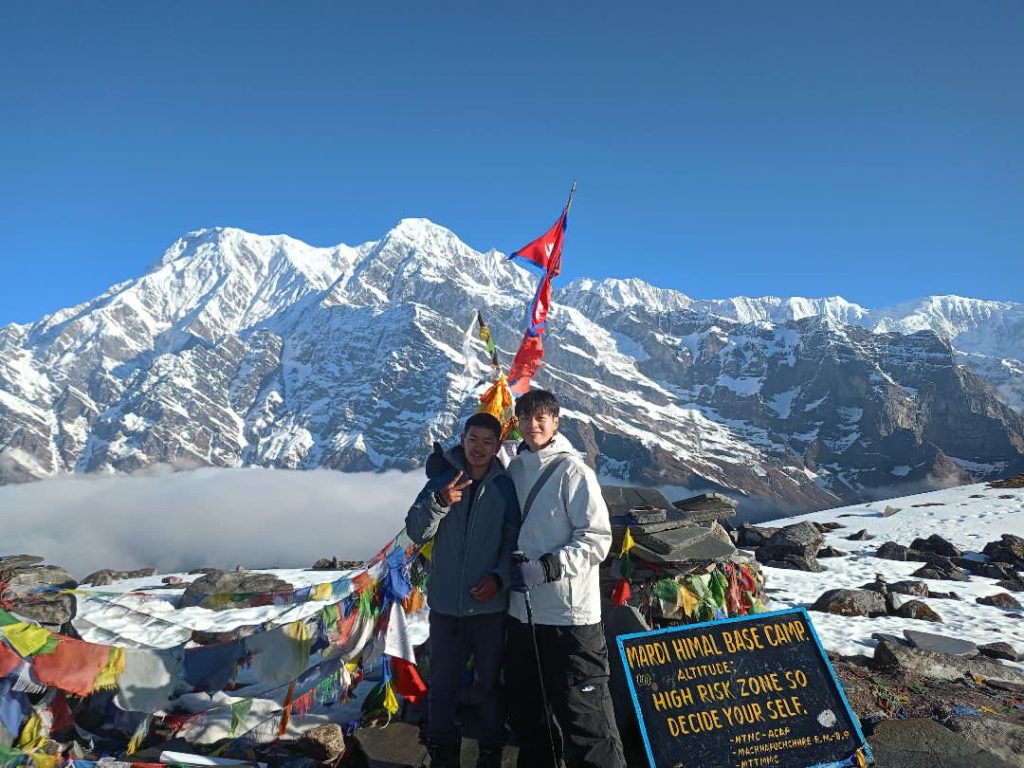
Amazing trip in Mardi Himal
I hereby express my huge gratitude to my trekking guide Sandeep, who did not only guide me through the whole trek in clear instructions and explanations, but also handle all the affairs in accommodations and meals. And he is a really nice and dedicated guy who kept sharing all he knows about Nepal. I also thank Harka for good communications on the affairs before and after the trip. They make this trip so wonderful and memorable!


Amazing experience !
Amazing experience! Our guide Sandeep was wonderful and took great care of us on the 4 Days Mardi Himal Trek. Communication with Harka and organisation is very easy! highly recommend.


初學者也能上手的美麗路線
我們選了Mardi Himal五天的行程,我和男友兩人之前都沒有多日爬山住山屋的經驗,但是Himalaya Trip會在我們到加德滿都的時候,先特別來跟我們做行前會,對過每天的行程、和提醒我們該帶什麼,我們忘記帶頭燈了,所以有去買,也好險有提醒,登頂看日出那天真的有用到。
全程帶領我們的嚮導Ramash,已經做登山嚮導將近20年了,經驗非常豐富,對我們一直都很有耐心,有他在,他會記得所有的路線、教我們該怎麼走比較省力、和很多山屋的人都很熟了,看他們互動很可愛,也謝謝Ramash幫我們打點好所有餐點、房間、記得我們喜歡吃什麼,時不時來關心我們有沒有吃飽、會不會太累,覺得非常被照顧,有他在真的很安心。
Mardi Himal路線很適合新手、不喜歡太多遊客的路線的人,全程的山屋在三月初的時候,很清閒,很多時候很安靜、有一些其他登山客、但不會到不舒服的擁擠。
一路上可以看到平常我在臺灣沒看過的驢隊、帶著貨物上山下山、也可以看到氂牛,或是看到當地的年輕人在登山客吃力爬山時,穿著拖鞋、手插口袋、蹦蹦跳跳的上山下山,好像非常簡單一樣,非常有趣,當然也有非常辛苦的挑夫,帶著20-30公斤重的行李上下山,總之一路上都有很多有趣的人事物可以看。
接下來是關於登山行程:
1️⃣第一天我們的領隊Ramash早上八點到了我們的飯店一樓等我們,接我們上接駁車,到了登山起點開始爬,第一天非常輕鬆大約爬2.5小時就到第一天的山屋了,中間還有停留大約1.5小時在其他tea house吃午餐,非常驚訝,沒想到只爬了一個早上就可以休息,而且第一天住宿好舒服,竟然還有自己的獨立衛浴,房間也很乾淨,我們吃了好吃的晚餐。
第一天的行程ramblr 紀錄: http://rblr.co/p2WeO
2️⃣第二天早上七點有住宿幫我們用早餐,八點開始爬,今天行程比較長,我們從海拔2100m爬到2958m,花了大約八小時(其中兩個半小時在休息或是吃午餐),Ramash都會來問我們的狀況來決定什麼時候吃午餐、什麼時候休息,不會太累,我覺得很剛好,就算我是初學者我也覺得因為途中幾乎每半小時就會經過一間tea house,可以休息、上廁所的地方很多,不用擔心會太累或是憋尿,晚上睡覺的山屋仍然有獨立房間、乾淨的床,睡得非常好。
第二天的行程紀錄: http://rblr.co/p2YQt
3️⃣ 第三天也是很輕鬆的一個早上就結束的行程,花了三小時,從2958m到3504m,下午還可以睡個午覺,再起床吃晚餐,也感謝Ramash在我們其中一位感覺有點高山症狀況的時候關心我們、給我們建議,後來狀況好很多就可以繼續明天的行程。
第三天行程紀錄:http://rblr.co/p2YQx
4️⃣第四天是登頂日,我們早上5點出門,要去view point看日出,天氣大好,萬里無雲,我們超級開心、也很幸運的看到了所有漂亮個群山,一切的辛苦都值得了!也很謝謝Ramash給我們加油打氣,在男友體力不夠的時候在他身邊陪伴,鼓勵他走到最後的View Point,終於看到漂亮的大景。
看完回山屋吃完飯之後再往下走,看體力狀況決定要往下走多久,我們是決定走到中午就停下來休息過夜,很感謝、也覺得能決定每天走多久很舒服。
第四天行程紀錄: http://rblr.co/p2aRU
5️⃣第五天我們一樣也是輕鬆的半天行程,2.5小時走回可以搭吉普車的點,再搭兩小時的吉普車回市區。一路上車程可以看到山邊的小村莊與田野,我覺得也是很重要的體驗,能看到平常在市區看不到的風景。
第五天行程紀錄:http://rblr.co/p2aRX
總結,很推薦新手也可以來,只要你能有足夠體力爬樓梯,這個路線不用攀繩、也不用攀壁,很新手友善,可以先請旅遊門診幫忙開的高山症的藥備著,有症狀再吃,其他沒有什麼好擔心的,就是爬樓梯而已。


Марди Химал украл моё сердечко!!!
Я побывала на треке Марди Химал с гидом Джей. Так как был не сезон я была одна с гидом. Это было самое безумное путешествие в моей жизни. Я никогда не ходила в походы, поэтому выбрала без сложной экипировки. Без гида я бы не пошла, так как не разбираюсь в лесах и горах. Похол бы не очень лёгким, но под силу даже не подготовленым. Организация была превосходной, я выбрала полный пакет, и жилье и еда (кроме напитков), на обратном пути был ремонт дороги и мы продолжи свой путь пешком, что было очень классно и интересно. Гид мне помогал, особенно с дыханием и скоростью и это очень облегчило мне подъем. Восход на 4200 был очень тяжёлым, но он стоил всех испытаний. Это невероятное зрелище которое открывается твоим глазам. Очень рекомендую данную компанию, заказала за 1,5 месяца, внесла предоплату 10% и готовилась к поездке. Если решусь ещё раз поехать в Непал то обязательно выбиру данную компанию. Спасибо вам за эти эмоции.

Excellent Company and Trek for First Time Visitor
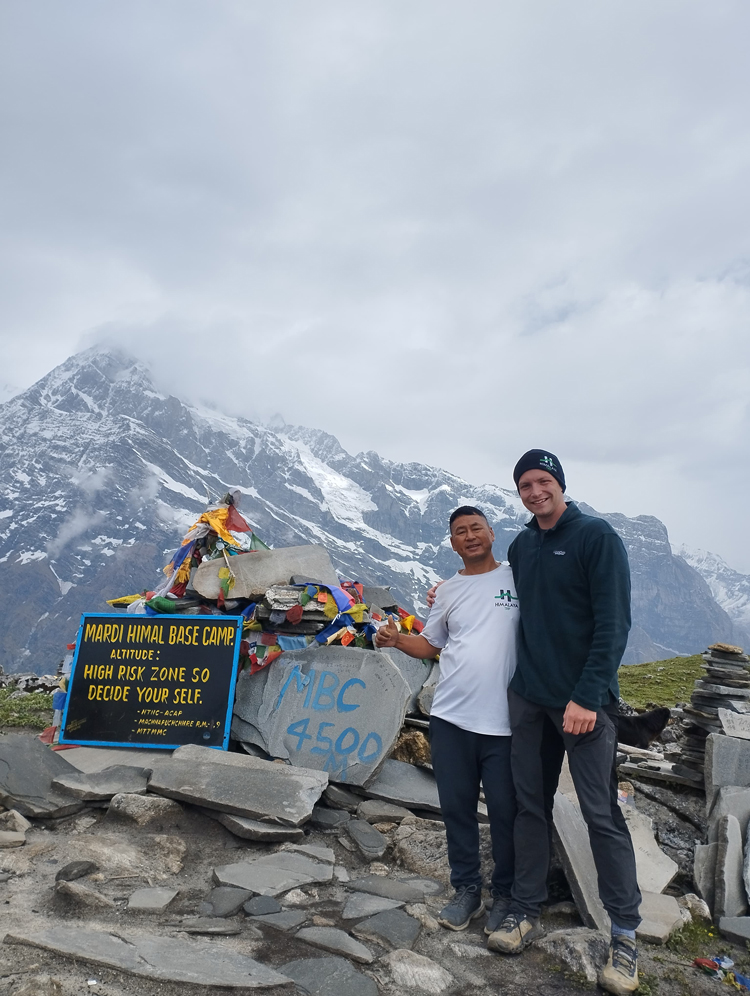
First time in Nepal and my Nepali friend recommended this company. My guide Ramesh was amazing. I ended up being the only one in my group, but it was still great. Ramesh was very accommodating and allowed us to be flexible and join other trekking groups. Weather was somewhat cloudy but he knew when and where to be to get us the best views. We were able to stay out of the rain and wait out for the best views. I highly recommend booking with this company, as it was affordable but had excellent service. The hike was a lot of ascent but had great views and very different scenery. Overall excellent experience and felt that everything was considered, especially since it’s my first time in Nepal and I was on a tight schedule.
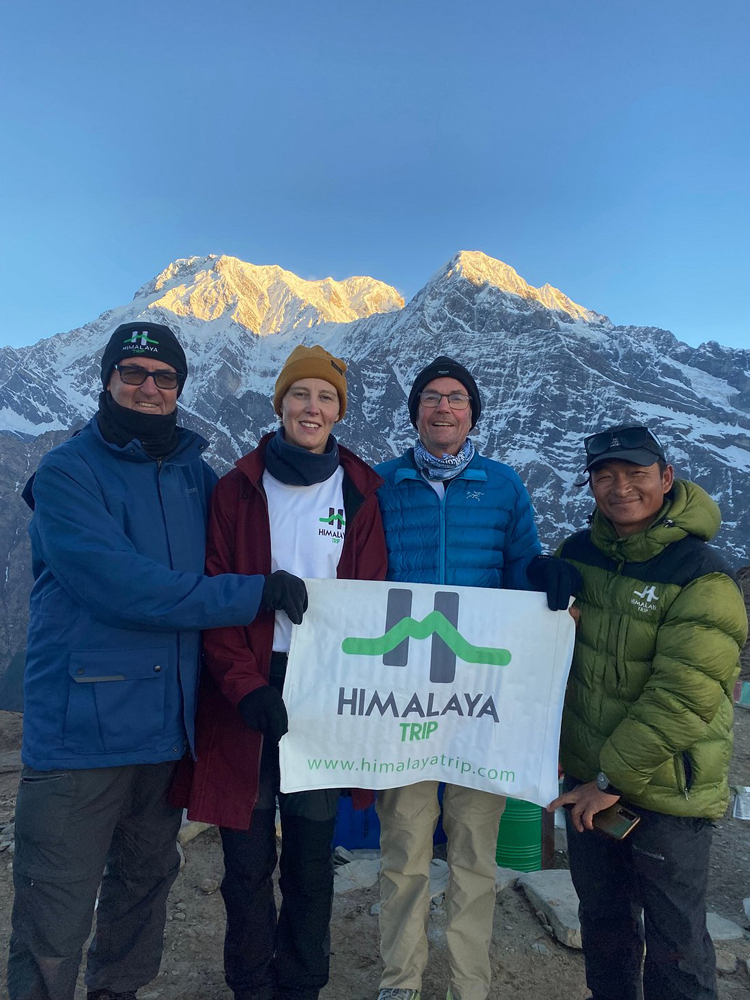
Incredible 5-Day Trek to Mardi Himal with Surpa & Himalayan Trip
I had the best experience trekking to Mardi Himal over five unforgettable days. The journey was breathtaking, with stunning mountain views, serene forests, and a peaceful atmosphere that made every step worth it.
A huge thank you to my guide, Surpa, and Himalaya Trip for organizing such a seamless adventure. Surpa’s knowledge, patience, and kindness made the trek even more special. He ensured everything ran smoothly, shared fascinating insights about the region, and always kept the energy positive. Whether it was adjusting the pace, finding the best viewpoints, or making sure I was comfortable, Surpa went above and beyond.
The entire trek was well-organized, from accommodations to meals, and I always felt supported. I highly recommend this experience to anyone looking for an incredible adventure in the Himalayas. If you’re considering the Mardi Himal trek, do yourself a favor and book with Himalaya Trip and ask for Surpa!
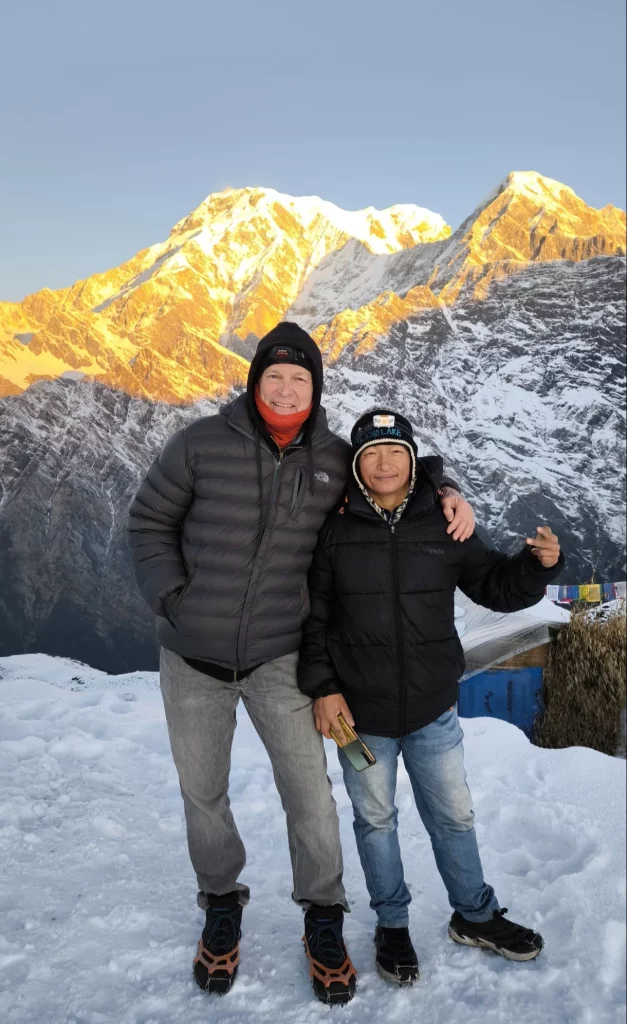
4 day Mardi Himal
My second trek with Himalaya Trip.....everything was super smooth and well organized. Mardi is a great choice for short trek. Thanks to Harka and my guide Surpa who was with me last year as well. Will definitely book with them again!

Mardi in November with Himalayatrip
My Wife and I have booked a 4 Days Mardi Himal Trek in November 2023. We met Harka in Kathmandu to brief about our trek. He is very kind and fast response. We have very good weather so beautiful Himalayas views from Mardi Himal Base Camp 4500m which is highest elevation of this trek. Our guide Surpa take care very well and booked nice accommodation all the places. We really enjoyed this trek. We highly recommend Mardi Trekking and Himalaya Trip. If you come back and we definitely use this company other trek in the future. Joseph

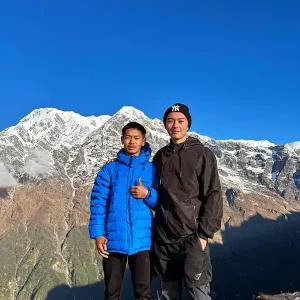
Epic Solo trek with Guide Porter
Just completed an incredible Solo Mardi Himal Trekking. Undoubtedly it was one of the best experiences of my life and unforgettable too. Despite its immense physical and mental challenges, the 5-day trek was fully worth it. Great deal with Himalaya Trip at reasonable prices. The company of friendly porter guide Sandeep, and his warm hospitality and attention to detail were impressive. Cherry on the top was breathtaking views, what more could I ask for? I am certain, I’ll be going through for next treks with them in the future.

Mardi Trek in July with Jay
My family, friends and I, just finished the Mardi trek from 11th to 15th July. Unfortunately the weather was not favorable but the organization was excellent. Mr Harka Gurung also organized the transfer from Katmandu to Pokhara by jeep, the road is not the best but it gave the possibility to see a piece of Nepal. Our guide Mr Jay was amazing, attentive to our needs and kept us entertained. We can say that we have found a friend. If we go back to Nepal we will definitely turn to Himalaya Trip. Luciana, Gianni, Samuele and friends.

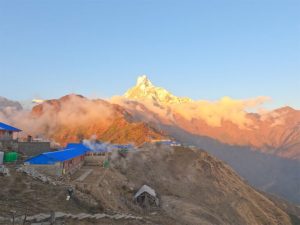
Mardi Himal Trek
My family, friends and I, just finished the Mardi Himal trek from 11th to 15th July. Unfortunately the weather was not favorable but the organization was excellent. Mr Arca Gurung also organized the transfer from Katmandu to Pokhara by jeep, the road is not the best but it gave the possibility to see a piece of Nepal. Our guide Mr Jai was amazing, attentive to our needs and kept us entertained. We can say that we have found a friend. If we go back to Nepal we will definitely turn to Himalayan Trip. Luciana, Gianni, Samuele and friends.


5 Days Mardi Himal Trek 11th -15th July 2023
Me and my family and friends went for this trek from 11th to 15th july. Unfortunately the weather wasn't good but the organization was perfect in every detail. A special thanks to the guide Jay, who was amazing, careful to our needs and able to make us happy despite the weather. We recommend Himalaya Trip for your trekking in Nepal


Amazing trip, with amazing views, and amazing Nepali people
Amazing trip, with amazing views, and amazing Nepali people! Long hours of daily trekking, in the vicinity of simple small hotels, far away from civilization but the relaxing ambiance and fresh foods sum up our amazing experience. Nice warm weather during the days, chilly weather (almost 4 degrees) during nights, and
an unexpected blizzard on High Camp forced us to descend. An unforgettable experience descending 1700m down with snowing and raining, and getting wet. A fresh getaway and a "cut-off" from the daily rush for a workaholic like me was refreshing. Mardi Himal Trek is for those who wish to be close to nature, need a break from a hectic life, feel freedom, and are open to any new experience in the lap of the Himalayas. :) Ps - Big thanks to Jay, he was always close, always helpful and we felt always safe. PT

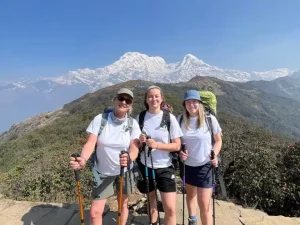
What a great trekking experience!
Fair Prices, Great Reviews, The Himalaya Trip was our choice for the Mardi Himal Trek. And we don’t regret it as everything was smoothly arranged by Harka, the owner of the organization. Also great information beforehand on what to expect, what to and not to do, and the use of gears which were fruitful.
Lucky and Glad to have Babu as our guide as he was a caring, interesting conversational partner, and extremely committed travel companion. Always concerned about our well-being and health. With him, we felt secure and well-cared for even at a high altitude. Babu is a very experienced guide and well-versed in the region. He took us to the best tea houses, and the best routes, and also shared many interesting details about life and hiking in the high mountains. Without worries, we were able to enjoy our trek.
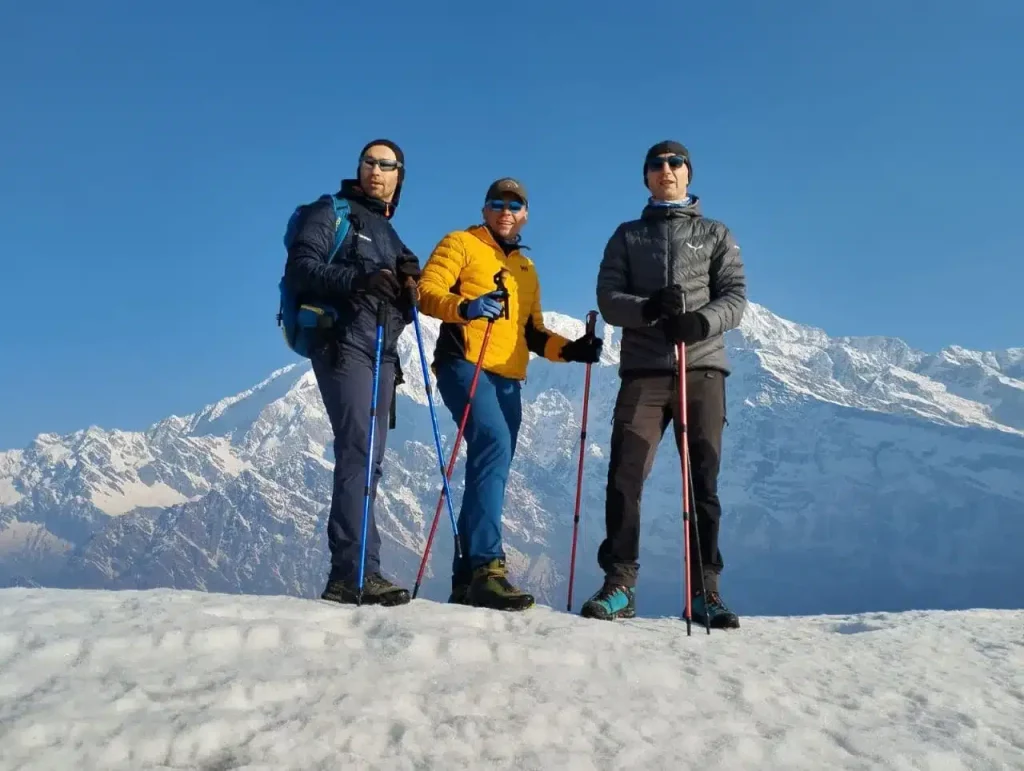
Very much delighted to have Mardi Himal Trek
Very much delighted to have Mardi Himal Trek with the professional team and professional organization. Trekking itself is fantastic with the assistance of an excellent guide. Special thanks to Harka Gurung for continuous support throughout the trek, even at the places his help was there which were not his duties (transport Kathmandu-Pokhara).

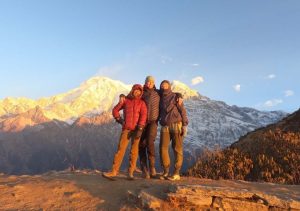
Thanks to Harka for planning Mardi Himal trek in February
We had a great experience trekking the Mardi Himal trek! Thanks to Harka for planning the trip and to our excellent guide Jay for being patient with us!


Entertaining and Informative Mardi Himal Trek
A big shout out to our guide Jay and our porter Surpa for making our Mardi Himal Trek more entertaining and informative. Throughout the trek, valuable insights about the trails and mountains along with fun banter our 5 days were spent quite interestingly without the internet. Most importantly, they paced us so well that we never experienced any high- altitude sickness. Would like to trek with them again in the future!

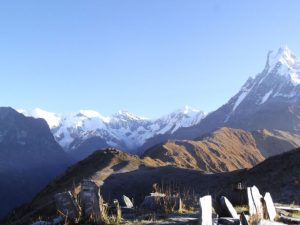
great trip to Mardi Himal – Nov 2018
We had a great trip to Mardi Himal Base camp end of November 2018. Everything was perfectly organised by Harka and our guide Jay and porter Milan took great care of us during the entire trip. Would definitely recommend to book a Nepal trip with Harka and his team!!!
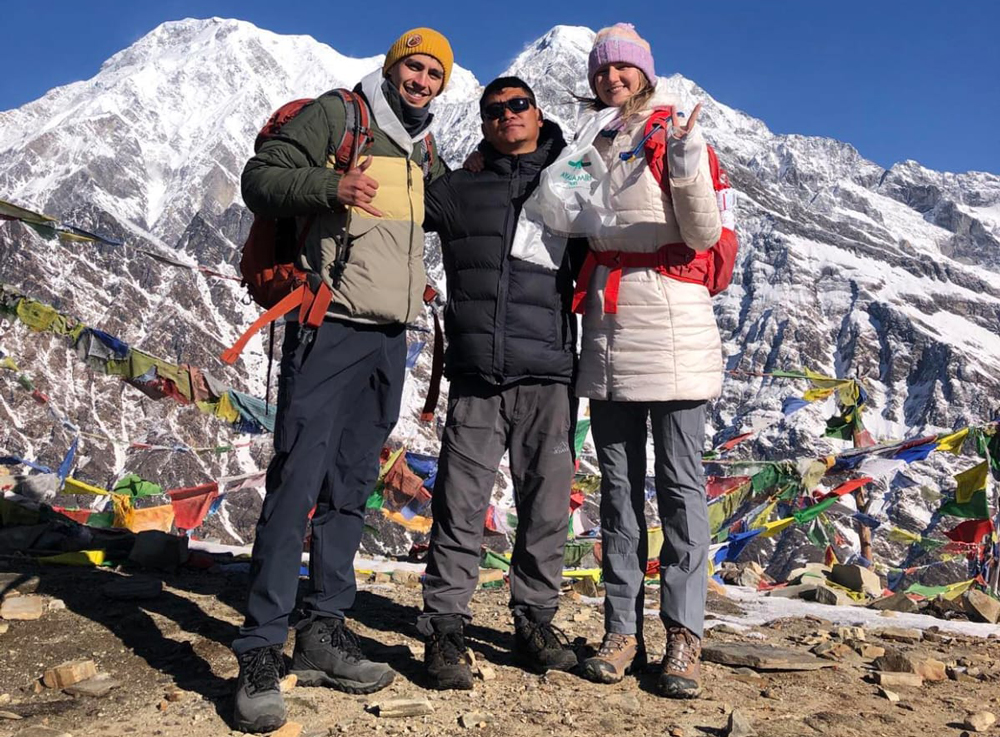
Liana Mardi Himal Trek
Liana Mardi Himal Trek Review
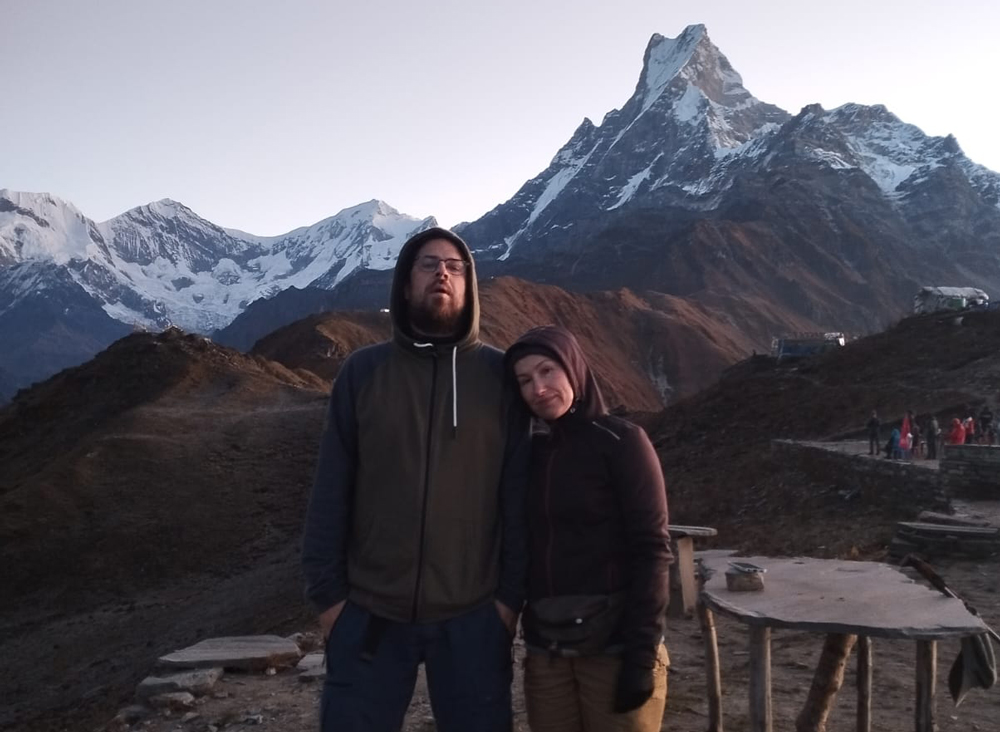
Sarban Mardi Himal Trek
Sarban Mardi Himal Trek Review
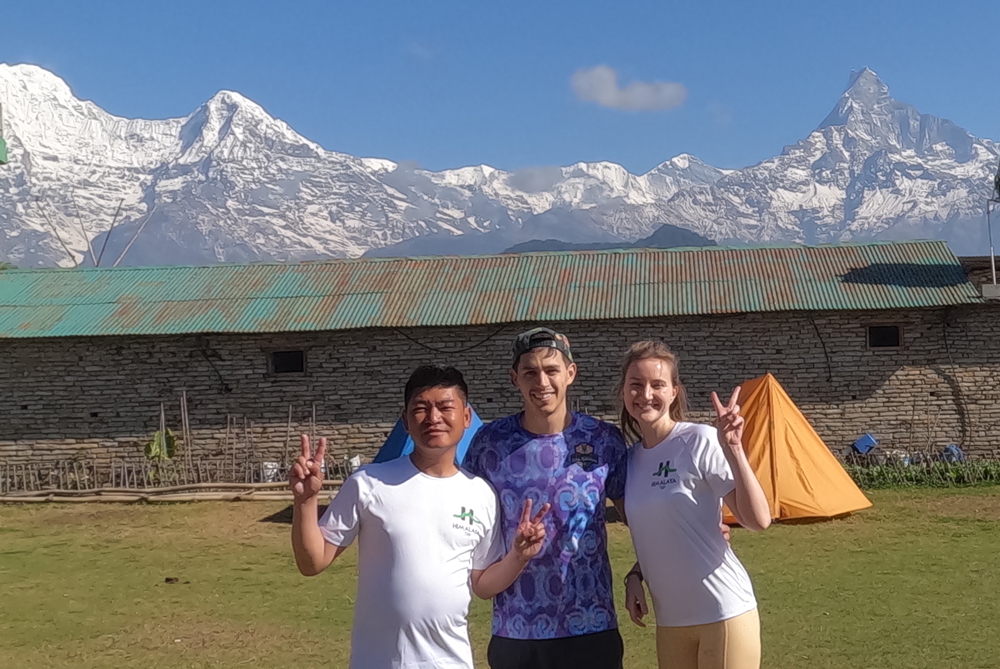
Chris Scott Mardi Himal Trek
Chris Scott Mardi Himal Trek
Reviews from the globe

Hi! Im Sara, from Spain! Good morning! Yesterday we arrived from our 11-day trekking in Gokyo. There were 3 people from Spain, and I don’t know how to express how happy I felt. From the beginning, Himalaya Trip has been attentive to us, with a welcome at the hotel and...

Incredible!
Hi! Im Sara, from Spain!
Good morning!
Yesterday we arrived from our 11-day trekking in Gokyo.
There were 3 people from Spain, and I don’t know how to express how happy I felt.
From the beginning, Himalaya Trip has been attentive to us, with a welcome at the hotel and explanation of the route, rental of necessary equipment, etc.
The most important thing for us has been the ease and comfort with which Ramesh (our precious guide) has taken care of us at all time.
Attentive to the food, to make sure we didn’t get cold, adapting the route day by day according to the needs of the team.
I only have words of gratitude for Ramesh, who I would recommend for any trekking in the world.
In addition to being a great guide and knowing all the mountains of Nepal perfectly, he is a great person, with a big heart.
We hope to repeat in the not too distant future and hopefully it can be with him, since he is already part of our family.
Thank you for everything, from the bottom of my heart.
Thanks!!!!


Had an incredible experience doing the Mardi Himal trek with Himalaya Trip. Our guide Jay and our two porters Umesh and Masak were all simply incredible people. I’m a photographer so always have odd requests for weird areas to access for better angles or even simply just extending time in...
Couldn’t recommend enough
Had an incredible experience doing the Mardi Himal trek with Himalaya Trip. Our guide Jay and our two porters Umesh and Masak were all simply incredible people.
I’m a photographer so always have odd requests for weird areas to access for better angles or even simply just extending time in certain areas and all requests were met with so much help from the team. Highly recommend

I had an amazing time trekking with Surpa, particularly as this was my first solo trek. Beautiful views doing the Mardi Himal trek over 4 days, Surpa was a great guide who organised everything so well for me, kept me well fed, supported a good pace the whole way and...
Mardi Himal: fantastic trek & wonderful guide
I had an amazing time trekking with Surpa, particularly as this was my first solo trek. Beautiful views doing the Mardi Himal trek over 4 days, Surpa was a great guide who organised everything so well for me, kept me well fed, supported a good pace the whole way and always cheerful. Would recommend, and I would happily have him as my guide again in the future. The organisation and booking with Himalaya Trip was great, really responsive on emails and Harka was so helpful in organising everything and meeting me in Kathmandu for a briefing before the trip. Thanks so much!
Our 4 day Mardi Himal Trek with guide Milan and porter Plekta was a wonderful experience. The manager Harka Gurung met with us over coffee in Kathmandu and briefed us about expectations as this was our first trek. After that our guide met us at our hotel in Pokhara, helped...
Once in a lifetime experience in the Himalayas
Our 4 day Mardi Himal Trek with guide Milan and porter Plekta was a wonderful experience. The manager Harka Gurung met with us over coffee in Kathmandu and briefed us about expectations as this was our first trek. After that our guide met us at our hotel in Pokhara, helped us rent equipment, and handled all logistics in between. Our first time in the Himalayas was unforgettable between all the unbelievable landscapes and scenery, and we were lucky to have MIlan and Plekta with us to experience it all. I can’t begin to describe how ethereal sunrise is over the base camp, but hopefully you’ll be able to experience it soon!
Sunrise at Mardi Viewpoint with Annapurna Himalaya View
The best viewpoint to witness a sunrise view during the 4-Day Mardi Himal Trek is the Mardi Viewpoint. When the sun rises above the eastern horizon, the first light strikes the Annapurna peaks while the valleys below remain in shadow for several more minutes. Machhapuchhre (6,993 m) appears right in front of you and is much closer than from most trekking routes in the Annapurna region.
Annapurna South (7,219 m) and Hiunchuli (6,441 m) appear to one side, while the Mardi Himal ridge spreads toward the higher peaks of the Annapurna range. The open ridge provides beautiful views in almost every direction, which makes this one of the best sunrise viewpoints on a short trek in Nepal. To witness this scenery, you have to wake up at about 4:00 AM at High Camp (3,580 m) and start the hike with a headlamp before daylight for 2 -2.5 hours.
Why choose the Mardi Himal Trek?
Here is exactly why you should choose it over other popular routes like Poon Hill or Annapurna Base Camp:
- The trek can be completed in 5 to 6 days from Pokhara, which makes it ideal for travelers with limited vacation time.
- You can experience a quieter trail with fewer trekkers than Annapurna Base Camp or Ghorepani Poon Hill
- You will stay in family-run teahouses that provide rooms, meals, and basic facilities without the need for camping equipment.
- Reach Mardi Himal Viewpoint for one of the closest viewpoints of Machhapuchhre available on a trekking route.
- You will sleep below 4,000 m throughout the trek, which lowers the risk of altitude sickness compared to many higher Himalayan treks.
- Travel inside the Annapurna Conservation Area, where you can see Himalayan vegetation and native wildlife on the trail.
- Choose a moderate trekking route that suits beginners with good physical fitness as well as experienced trekkers.
Can You Combine Mardi Himal With Other Treks?
Yes, you can combine the Mardi Himal Trek with other treks in the Annapurna region. The best treks to combine with it are as follows:
Annapurna Base Camp With Mardi Himal Trek
- The venture combines the classic trail to Annapurna Base Camp with a newer and less-traveled route to the base camp of Mardi Himal.
- Explore the valleys and traditional villages while trekking through rhododendron forests and alpine meadows within the Annapurna Conservation Area.
- It is a total package with adventure and cultural immersion that you can complete in 12 to 15 days.
- The cost for standard ABC with Mardi Himal Trek ranges from USD 900 to 1200 per person.
Ghorepani Poon Hill With Mardi Himal Trek
- Climb up to the popular Poon Hill viewpoint for a sunrise view.
- Enjoy a peaceful trekking experience in the diverse trails of the Annapurna region, perfect for trekkers of all levels.
- The 9 to 12-day venture combines moderate adventure with beautiful views and rich culture.
A typical day in Mardi Himal Trek
Morning
- 7:30 Am to 8 AM: The trek begins early, around 7:30 Am to 8 AM. After waking up, trekkers complete their daily routine and prepare for the early morning breakfast
- 6:30 Am to 7 Am: It’s time for breakfast. Eat a light breakfast that will provide instant energy during the initial portion of the trek.
- 8 AM to 12 PM: It’s time to start the trek. The first part of the trek lasts from 8 Am to around midday. After 3-4 hours of the trek, the trekkers will stop at the teahouse for lunch.
Afternoon
- 12 PM to 1 PM: Now that you have reached the new village, you can settle in the new teahouse, check in, freshen up, and then stroll around the town.
- 1 PM to 4 PM: Starting around 1 PM, the trek continues at a slow speed toward the next teahouse before sunset.
Evening
- 4 PM to 5 PM: Now that you have reached the new village, you can settle in the new teahouse, check in, freshen up, and then stroll around the town.
- 6 PM to 7 PM: It’s time for Dinner. The Dinner is served from 6 pm to 7 pm. Make sure not to eat heavily, as it will lead to trouble sleeping.
- 8 PM to 9 PM: It’s time for bed after Dinner and interaction with the locals. Make sure you go to bed early and be well-rested for the trek in the coming days.
Annapurna Base Camp Trek vs Mardi Himal Trek
| Factor | Annapurna Base Camp Trek | Mardi Himal Trek |
|---|---|---|
| Difficulty | Moderate to strenuous | Moderate |
| Duration | 5-12 days | 3-5 days |
| Altitude | 4,130 meters (13,550 feet) | 4,500 meters (14,760 feet) |
| Crowds | More crowded | Less crowded |
| Scenic Views | Diverse landscapes, including forests, valleys, and mountains | Panoramic views of the Annapurna range |
| Cultural Experience | More interaction with local villages and culture | Less cultural interaction |
| Physical Fitness | Requires good physical fitness and acclimatization | Requires moderate physical fitness and acclimatization |
| Cost | Generally more expensive | Generally less expensive |
| Best Time to Trek | October to November and March to May | October to November and March to May |
How Much Does the Mardi Himal Trek Cost
The 4-day Mardi Himal costs about USD 270 to $310 per person. However, the price goes down if you’re trekking in a group. The larger the group, the lower the cost per person, thanks to shared expenses and group discounts. The Mardi Himal trek cost also depends on the time of the year chosen. Autumn and spring are the best months for many trekkers worldwide to visit Nepal for trekking. Due to the high influx of trekkers, prices of lodging and transportation facilities skyrocket during these times.
Meanwhile, summer and winter are off-season. There are only a few trekkers on the trail, and the demand for flights and accommodation is low. As a result, prices are low, and seasonal discounts are also available at these times of the year. Aside from the time of year, various other factors, such as trek duration, group size, and services, also influence the cost of trekking to the Mardi Himal.
That said, it is still considered one of the most budget-friendly treks in Nepal. Since the trek is just about four days, the costs of transportation, accommodation, and meals, as well as the fees for guides and porters, are lower than those of other major trekking destinations, such as Annapurna Base Camp or the Annapurna Circuit Trek. Hence, if you are looking for budget-friendly treks with excellent rewards, please book the Mardi Himal Trek.
Communication Tips During Mardi Himal Trek
During the Mardi Himal Trek, communication vary from lower to higher altitudes. You can find WIFI spots, towers, and connection hosts. The chance of connectivity in places like Pokhara, Dhampus, Australian Camp, etc., is high compared to the uppermost remote areas of the trekking region. The cellular towers or poles in the region also give connectivity in the lower areas, but in the higher areas, the connectivity could be more potent.
The trail to Mardi Himal Base Camp goes through the thick forests of ACAP. Along the way, many tea houses offer places to stay. Most of the trail winds through deep gorges and rocky hills. Cellular service can be unreliable in these areas. You might be able to make voice calls, but data connections often have issues during the trek. Tea houses on the Mardi Himal Trek offer Wi-Fi, but you must pay extra ($1-$2 per day) for access.
Choosing the Right Path for Mardi Himal Trail
There are two main routes you can take on the Mardi Himal Trek: Kande to Sidhing and Phedi to Sidhing.
- Kande → Deurali → Forest Camp → Low Camp → High Camp → Mardi Himal Base Camp
- Phedi → Dhampus → Deurali → Forest Camp → Low Camp → High Camp → Mardi Himal Base Camp
Among these, the Kande to Deurali route is the most popular. It’s shorter, easier, and offers beautiful views of the Annapurna range. On the other hand, the Phedi to Deurali route is longer and more challenging. It involves steeper climbs and takes more time.
In the end, the best route depends on your fitness level, time, and preference. If you want a quicker and easier experience, go with the Kande route. If you’re up for a challenge and longer journey, the Phedi route is a great option.
What to Know About Mardi Himal Trek Challenges
Before starting the Mardi Himal Trek, keep these key challenges in mind:
- Fast altitude gain increases the chance of altitude sickness as the trail climbs from 1,770 m at Kande to 4,200 m at Mardi Himal Viewpoint within just 3 to 4 trekking days.
- Narrow trails above Low Camp have rocky hillsides on both sides, which can feel challenging for trekkers who are uncomfortable with heights.
- Thin air above 3,500 m reduces oxygen levels, which causes many trekkers to experience slower walking speeds, fatigue, and shortness of breath.
- Long descents from High Camp to Siding place high pressure on the knees, ankles, and leg muscles.
- Basic teahouse facilities at higher elevations are unheated rooms, shared toilets, and limited access to hot showers and charging facilities.
- Rapid weather changes can bring thick fog, strong winds, rain, or snowfall.
- Limited medical services on the route mean that serious altitude sickness or injuries may need emergency evacuation to Pokhara or Kathmandu.
Perfect Timing for Your Mardi Himal Trek
Spring (March to May) and autumn (September to November) are the best times for Mardi Himal. Days are bright and sunny with clear skies, temperatures are mild, and rain is light. Spring brings blooming rhododendrons, and autumn colors the forest with golden leaves. Summer (June to August) is monsoon, so trails turn wet, muddy and slippery, with a risk of landslides. Winter (December to February) brings snow to the higher areas, which covers the trail and makes it harder to follow.
| Season | Month | Average temperature |
| Spring | March | 0°C to 10°C |
| April | 5°C to 15°C | |
| May | 8°C to 18°C | |
| Summer | June | 12°C to 20°C |
| July | 15°C to 20°C | |
| August | 15°C to 20°C | |
| Autumn | September | 10°C to 18°C |
| October | 5°C to 15°C | |
| November | 0°C to 10°C | |
| Winter | December | -3°C to 7°C |
| January | -5°C to 5°C | |
| February | -3°C to 7°C |
Accommodation Options on Mardi Himal Trek
Mardi Himal Trek accommodations are in rural houses that offer basic lodging facilities. These houses are called teahouses in Nepal, popularly known as mountain lodges in the Alps. Tea house accommodation includes wooden structures with small rooms and basic amenities. The teahouses in Mardi Trek provide at least two twin beds per room. There are other types of rooms suited for group travelers. Usually, these rooms can accommodate up to 2, 3, or 4 people. Attached bathrooms are not available at every stop and are subject to availability. The beds have foam mattresses; you will receive a quilt and pillow. Sleeping bags are optional for you to carry
The area’s locals operate teahouses, including a dining space and kitchen on the ground floor. The dining area has a central log-fire heating system. Power sockets are provided in the rooms in Pritam Deurali. However, as you trek above Pritam Deurali, power outlets are available only in the dining area. The only power source in these areas is a solar panel. This limits the power supply in the higher regions beyond Pritam Deurali. Wi-Fi facilities are available but for an extra daily charge ($1-$2). Hot showers are available at an additional cost.
You May Like: Everything You Need to Know About Mardi Himal Trek
Do we need permits for the Mardi Himal Trek?
Yes, you will need the Annapurna Conservation Area Permit (ACAP) for the Mardi Himal Base Camp trip. Since the trek route lies within the Annapurna Conservation Area, trekkers must obtain this permit.
ACAP is also necessary for other trekking destinations in the Annapurna region, such as the Annapurna Base Camp Trek and the Annapurna Circuit Trek. You can issue the permits from the Nepal Tourism Board and the TAAN office in Pokhara. The permit fees are as follows:
- For foreigners: Nrs. 3000 (Approx.$30)
- For SAARC Nationals: Nrs. 1000 (Approx.$10)
Preparation and Fitness for Mardi Himal Trek
Mardi Himal Trek elevation ranges from 2000 meters to 4500 meters at Mardi Himal Base Camp. The altitudinal variation of this trek may make it a bit challenging. One must be mentally and physically prepared to make this traverse. The trek demands 5-7 hours of daily walking on muddy and rocky terrain. Additionally, you will have to stay at an elevation of over 3000 meters for 2 days. Here are some ways to prepare for trekking to Mardi Himal Base Camp.
- Engage in 45-minute sessions of running, cycling, or swimming
- Perform 3–4 sets of 15–20 repetitions to build quad and calf strength for long descents
- Maintain a strong 60-to-90-second plank to stabilize your torso while carrying a pack
- Practicing hiking around your locality with backpacks will build your confidence and raise your stamina.
- Always believe you will complete the trek, but also be realistic about the trek being hard.
- Take all the essential gear like trekking poles, sleeping bags, headlamps, sticks, snacks, and energy.
- Drink 4 to 5 liters of clean water daily to support oxygen transport in your bloodstream
Meals to Expect on Mardi Himal Trek
The lodges and teahouses along the Mardi Himal Base Camp Trek route offer meals. They have their own menu, which features both Nepalese and international cuisines. The menu is usually wider in lower regions but becomes shorter in the high-altitude areas. Since locals run these places, the food is typically home-cooked. The ingredients are locally sourced and hygienic. However, the food is not like city food. Here is a list of meal options that you can find during the trek:
- Breakfast: Simple Breakfast (Eggs, any item, toast or Gurung or Tibetan Bread, Pancake, Muesli, Oat Porridge, etc.)
- Lunch and Dinner : Nepali Thali (Plain Rice, Lentil soup, Potato Curry, Green Vegetable, Papadam, Tomato Hot spicy, Chicken curry optional), Macaroni, Spaghetti, Potato item, Mo.Mo or dumplings, Pizza, fried rice, Fried Noodles, French fries, etc.
- Dessert: Fresh fruit (apple, orange, pomegranates, banana, and any seasonal fruit) served as a sweet dessert.
Note: All drinks, including soft, hot, and alcoholic beverages, are not included in 4 Days Mardi Himal Trek package. Additionally, if you have any dietary requirements, please specify them clearly at the time of booking.
How to Manage Waste on the Mardi Himal Trek
The Mardi Himal Trek has no rivers to wash waste away and no roads for trucks to collect it, so every bottle and wrapper you bring up must either come back down or get burned right there in the mountains. Burning trash releases harmful smoke into air that should stay clean, so the best thing you can do as a trekker is follow simple leave no trace habits.
One of the biggest problems on this trail is plastic water bottles. High Camp alone sees piles of them during busy months. You can easily avoid adding to this by carrying a sturdy reusable bottle or two, along with a filter, UV pen or purification drops to treat your water. The golden rule up here is simple: whatever you carry up, you must carry back down. Keep a small leak proof bag in your daypack for wrappers, tissues and wet wipes as you walk, and only empty it once you return to Pokhara or Kathmandu.
Benefits of Choosing Himalaya Trip for Mardi Himal Trek
Safety First
Himalaya Trip has an excellent safety record and takes all necessary precautions to ensure the safety of its clients. They have a team of experienced medical staff on standby and are equipped to handle any emergencies that may arise.
Trip planning and logistics
Himalaya Trip is a highly regarded company specialized in trekking and tour packages. This services includes arranging flights, securing accommodations, providing meals, obtaining necessary permits, and managing transportation throughout the trip. By taking care of these logistical elements, Himalaya Trip doesn’t trouble trekkers and lets them totally focus on the beauty of the Himalayan adventure, free from the usual concerns of the trek.
Flexible and customizable itineraries
HimalayaTrip is all about your comfort and wishes, so it provides flexible itineraries that the trekkers can customize in terms of duration, luxury, transportation, etc, based on their fitness level and preference. You can choose from various trek options such as the classic Everest 3 Passes Trek or the Luxury Everest Three Passes Trek.Experienced guides
Himalaya Trip employs experienced and knowledgeable guides who are well-versed in the region and have trekking experience. Their primary motto is your safety and comfort all along the trek. They have extensive knowledge of the area, history of the location, and the culture.
Experienced guides
Himalaya Trip employs experienced and knowledgeable guides who are well-versed in the region and have trekking experience. Their primary motto is your safety and comfort all along the trek. They have extensive knowledge of the area, history of the location, and the culture.
When Can You Get the Best Views on Mardi Himal?
The Mardi Himal ridge is a narrow landmass with valleys on both sides, creating beautiful and changing skies. Early in the morning, the air is calm and clear, and the mountains look clear in the blue sky. As the sun warms the valleys, damp air rises from below and by late morning, white clouds move up the mountain hills. By afternoon, they cover the entire ridge, hiding the mountains from view
This daily pattern is useful to know. If you want clean mountain views or good photos, wake early and walk before the clouds build. Plan your rest and lunch for the middle of the day, when the views fade anyway. Evenings sometimes bring a second chance, as clouds thin out near sunset.
Trips You May Like
Ghorepani Poon Hill Trek
4 Days
Trekking
USD 299 per person
Annapurna Base Camp Trek
7 Days
Trekking
USD 449 per person
Annapurna Base Camp With Poon Hill Trek
9 Days
Trekking
USD 625 per person