Winter and Monsoon Special Offer! Get 5% off on all trekking packages in Nepal . Visit during June , July, August, December , January and February and take advantage of this limited-time deal.

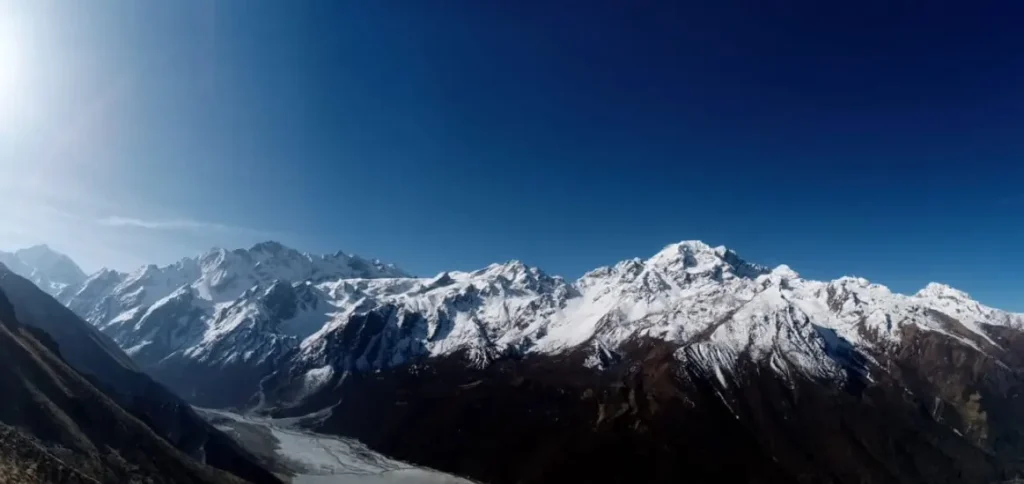


What Makes Langtang Valley Trek Beautiful
- A short and accessible trek near the capital city of Kathmandu.
- Trek through the lush forests of rhododendron, bamboo, and pine to alpine meadows within the Langtang National Park.
- Traverse traditional Tamang villages with terrace farms, colorful prayer flags, mani walls, small stupas, and chortens.
- Visit the spiritual hub of the Langtang region, the ancient Kyanjin Gompa.
- Hike to the scenic and iconic viewpoint, Kyanjin Ri (4,700 m), for gorgeous panoramic mountain views.
- Witness the grand and up-close view of Mount Langtang Lirung, Dorje Lakpa, Langshisa Ri, Yala Peak, and more.
- Get a closer look at glaciers and moraines, including the Langtang Glacier.
- Visit the local yak cheese factory at Kyanjin Gompa and taste the freshly made yak cheese.
- Explore the historic Langtang village, rebuilt after the 2015 earthquake.
- Immerse in the rich Tamang culture and customs, while experiencing the warm local hospitality.
Activity
Adventure Treks
Altitude
4700 m
Best Season
March - May & October - December
Meals Included
8 Breakfast, 8 Lunch, and 7 Dinner
Transportation
Public Bus or Jeep
Destination
Most Popular Treks
Accommodation
7 Night at Lodge
Duration
8 Days
Region
Langtang Region Treks
Start / End Point
Kathmandu / Kathmandu
Group Size
1
Difficulty
Moderate
Overview of Langtang Valley Trek
The Langtang Valley Trek is a short and budget-friendly but rewarding journey into the Himalayas of the Langtang region in Nepal. It is a beautiful journey that offers a mix of diverse landscapes, rich biodiversity, and authentic mountain culture. The region lies in the Rasuwa District, north of Kathmandu. It is one of the closest major trekking destinations from Kathmandu. Its short duration and easy accessibility make the trek an ideal choice for those with limited time.
The Langtang region lies within the Langtang National Park, one of the first Himalayan national parks in the country. It is home to several gorgeous valleys and glaciers. Due to the recent August 2026 flood, our regular starting point, Syabrubesi, has been temporarily affected. Therefore, until the hotels in Syabrubesi are fully reconstructed, the journey will start from Dhunche, which is approximately 112km by road from Kathmandu. The aerial distance is around 61 km. You will trek on an off-the-beaten-track, diverse trail, passing through traditional villages such as Bamboo, Lama Hotel, Langtang Village, Thangshyap, and more. One of the popular villages on the Langtang Valley Trek route is the Langtang Village, also known as the “Valley of Glaciers.”
Similarly, the trek takes you past age-old monasteries, prayer wheels, mani walls, stone cairns, and chortens. These spiritual landmarks give a glimpse of the deep influence of Tibetan Buddhism in the region. One of the most notable spiritual centers that you will visit during the Langtang Trek is the ancient Kyanjin Gompa (3,860m). You will have the opportunity to explore the monastery, observe the daily monastic rituals and prayer, and immerse yourself in the peaceful spiritual atmosphere of the Himalayas.
From the Kyanjin Gompa, you will take a short hike to Kyanjin Ri at 4,700 m. It is a quiet viewpoint offering sweeping, spectacular views of Langtang Lirung (7,227 m), Dorje Lakpa (6,966 m), Langshisa Ri (6,427 m), Gangchempo (6,387 m), Yala Peak (5,500 m), and more. In addition to enjoying the panoramic views of the surrounding snow-capped peaks, you will also get to experience the Tamang culture and hospitality.
Syabrubesi Road Access & Infrastructure Update After Recent Floods and GLOF
Recent flash floods and GLOF (Glacial Lake Outburst Flood) in the Bhote Koshi River corridor have impacted lower riverside infrastructure, areas of the Pasang Lhamu Highway, and parts of lower Syabrubesi. While the upper Langtang Valley from Lama Hotel up to Kyanjin Gompa is unaffected, vehicular access to the starting point in Syabrubesi is certainly affected. What Trekkers Need to Know:
- Access vs. Upper Trail:It is important to know the difference between road transport and the actual trekking trail. While the lower highway and Syabrubesi roadhead have faced flood-related damage, the main upper trekking trail inside Langtang National Park are safe for walking.
- Flexible Transport Logistics: For your safety, Himalaya Trip closely monitors road clearance reports from local authorities in Rasuwa. Depending on conditions, private 4WD jeeps or different drop-off points, such as Dhunche, are used when public transport is delayed.
- Pre-Trip Verification: Before you leave Kathmandu, our team provides real-time updates on bridges, road conditions, and local weather so you can trek without tension.
Langtang Valley Trek Outline Itinerary
Day 01:
Drive Kathmandu – Dhunche by public bus or Jeep (1960m, 112km or 6-7 hours drive).
Day 02:
Trek Dhunche – Thulo Bharkhu – Sano Bharkhu - Thulo Syabru (2250m, 15km or 6-7 hours walk) .
Day 03:
Trek Thulo Syabru – Pahare Hotel – Bamboo – Lama Hotel - Gumnachowk (2769m, 13km or 6-7 hours walk).
Day 04:
Trek Gumnachowk – Thangshyap - Langtang –Mundu – Kyanjin Gumba (3860m, 15km or 6-7 hours walk).
Day 05:
Hike to Kyanjin Ri (4,700m), Trek Kyanjin Gomba - Thangshyap (3,140m, 10km or 5 hours walk).
Day 06:
Trek Thangshyap – Thulo Syabru (2250m, 18km or 6-7 hours walk).
Day 07:
Trek Thulo Syabru - Dhunche (1960m, 15km or 5-6 hours walk).
Day 08:
Drive Dhunche – Kathmandu (1338m, 112km or 6-7 hours drive).
8 Days Langtang Valley Trek Itinerary - New Updated Route 2026/2027
Kathmandu - Dhunche
Activity
112km or 6-7 hour drive
Highest Altitude
1,960m, Dhunche
Accommodations
Dhunche National Park Hotel & Lodge or similar
Meals
Breakfast, Lunch, and Dinner
We will begin our journey with a morning drive after breakfast, which will lead you to Syabrubesi. The bus journey follows a winding route, navigating both uphill and downhill roads, passing through various rural towns and farming villages. Along the way, you will encounter Trisuli Bazaar, a larger town situated in the sub-tropical zone in Nuwakot district. As the road ascends further, transitioning into a cooler region, the landscape changes from rice paddies to terraced fields of maize and millet. With these changes in weather and environment come shifts in culture and people as well.
Eventually, you will arrive in Dhunche (1,960m), the primary town of both the Langtang area and Raswa district. Here lies Langtang National Park headquarters, where your trekking permits are thoroughly checked by park wardens from the Royal Nepalese Army who are responsible for overseeing this protected area. We will stay here for the night at one of the hotel with a private room with an attached bathroom, hot shower, wifi, battery charging, etc.


Dhunche – Thulo Bharkhu – Sano Bharkhu - Thulo Syabru
Activity
15km or 6-7 hours walk
Highest Altitude
2,250m, Thulo Syabru
Accommodations
Hotel Namaste and Restaurant or similar
Meals
Breakfast, Lunch and Dinner
Your day starst as you step out of your lodge in Dhunche and follow the rough road before turning onto a thick forests of pine, oak, and rhododendron path. Small streams cross your path beneath suspension bridges and the trail climbs up until you reach Thulo Bharkhu (2,135m), a Tamang village surrounded by fields of potatoes, barley, and maize. From here the stone steps carry you up toward Sano Bharkhu and a ridge that locals sometimes call a mini Deurali.
From the ridge the route is easy to walk on. As you turn the last corner of the hill the village of Thulo Syabru suddenly appears in front of you. Hundreds of metal-roofed houses are constructed on the ridge like a staircase and the whole village seems to hang in the air. You make your way down into the upper part of Thulo Syabru at 2,250m and settle into your teahouse for the night.


Thulo Syabru – Pahare Hotel – Bamboo – Lama Hotel - Gumnachowk
Activity
13 km or 6-7 hours walk
Highest Altitude
2,769m, Gumnachowk
Accommodations
Hotel Riverside or similar
Meals
Breakfast, Lunch and Dinner
You start the day by dropping down from Thulo Syabru. Down at the bottom you join the old trail coming from Syabrubesi and cross a suspension bridge over the Langtang Khola. Once you’re across the river, the trail turns uphill again and follows the river canyon theough thick jungle. Keep your eyes on the trees here, since this areas is known for red pandas, wild boars, and langur monkeys.
You’ll pass Bamboo (1,970m), a good spot for a tea break, then keep climbing past a few waterfalls until you reach Pahare Hotel (also called Pairo), where most people stop for lunch. After lunch, you’ll climbs through a forest of oak, maple, and big rhododendron trees, with the Langtang Khola still beside you. A final set of stone steps brings you to Lama Hotel (2,470m).
Many trekkers stop here for the night, but the place is small and can get crowded. So, you’ll trek towards Gumnachowk, also called Riverside right next to the river. It’s a calm little spot surrounded by tall trees, and it’s a great place to get some good rest for the night.


Gumnachowk – Thangshyap - Langtang –Mundu – Kyanjin Gumba
Activity
15km or 6-7 hours walk
Highest Altitude
3,860m, Kyanjin Gomba
Accommodations
Hotel Mountain View or similar
Meals
Breakfast, Lunch and Dinner
You will resume the Langtang Valley Trek from Gumnachowk after breakfast. Leaving Gumnachowk, you climb the last bit of oak and rhododendron forest, with small waterfalls along the way. At Ghodatabela (3,030m), you’ll stop at an army checkpoint where your permits are checked. Right after this the forest ends and the valley opens wide, with big mountains on both sides. Soon, you’ll reach Thangshyap and then the Langtang Village (3,430m).
The journey becomes more enjoyable but may feel more challenging as you gain altitude while approaching Kyanjin Gompa for your overnight stay. Situated amidst picturesque surroundings, Kyanjin Gompa is adorned by towering peaks visible from every direction. Among them is Langtang Lirung, reaching an impressive height of over 7,000m, with its icefall not too far from the village. Perched on top of a ridge created by glacial debris consisting of rocks and boulders lies Kyanjin Gompa monastery. It is a small sanctuary within an area that also includes more than 20 lodges and even a cheese factory.
This stretch of the trek takes about 3 hours. You will have your lunch ready upon reaching Kyanjin Gompa. If the weather is favorable and you arrive early, you will be guided to Kyanjin Ri, which takes about 3 hours round-trip. Or you can visit the Kyanjin Cheese Factory, one of Nepal’s oldest high-altitude cheese factories. Here, you can see the process of yak cheese making and the aging process. You can taste the yak cheese and buy some to take back with you. Upon returning, spend your night at Hotel Mountain View in a private room with an attached bathroom, a hot shower, wifi, battery charge, etc.


Kyanjin Ri Hike- Langtang Village - Thangshyap
Activity
10km or 5 hours walk
Highest Altitude
3140m, Thangshyap
Accommodations
Hotel Tibet or similar
Meals
Breakfast, Lunch and Dinner
As per the itinerary, you will begin your return journey after a pleasant night at Kyanjin Gompa. If the weather on the previous day is not feasible, you will be taking a morning hike to the top of Kyanjin Ri on this day. You will trek along the steep, winding trail to the viewpoint. The summit ridge of Kyanjin Ri is decorated with colorful prayer flags. From here, you can catch a gorgeous golden sunrise and panoramic views of Langtang Lirung, Dorje Lakpa, and Yala Peak. It is a perfect spot to capture spectacular photographs of the surrounding sunrise and mountains.
After returning from the hike, you will be served breakfast before beginning your return journey. The trail we take is the same on our way up. You will descend through small hamlets along the way. You will retrace your steps back and stop at Langtang Village for lunch. You will reach Thangshyap for your night stay at Hotel Tibet, a private room with an attached bathroom, hot shower, wifi, battery charging, etc.


Thangshyap - Thulo Syabru
Activity
18km or 6-7 Hours walk
Highest Altitude
2,250m, Thulo Syabru
Accommodations
Hotel Namaste and Restaurant or similar
Meals
Breakfast, Lunch and Dinner
Leaving the meadows of Thangshyap, you walk down to the army checkpoint at Ghodatabela, then head back into the oak and rhododendron forest. From here the trail turns into stone steps, and since you’re going down now, you’ll move much faster than you did on the way up. You’ll pass through Gumnachowk, also known as Riverside, and reach Lama Hotel.
From Lama Hotel the trail keeps dropping through the forest, and the air feels warmer the lower you go. You’ll pass waterfalls and rock ledges as you walk through Pahare Hotel and the bamboo groves of Bamboo. The lowest point of the day comes at the steel bridge over the Langtang Khola, and once you cross it the downhill part is finally over. What comes next is the hardest part of the day: a steep climb of 560m with no shade, up stone steps that passes corn and millet fields up to Thulo Syabru.


Thulo Syabru - Dhunche
Activity
15km or 5-6 hours drive
Highest Altitude
1,960m, Dhunche
Accommodations
Dhunche National Park Hotel & Lodge or similar
Meals
Breakfast and Lunch
Leaving your lodge in Thulo Syabru, you say goodbye to the ridge village and start the day with a walk around the open mountainside. You’ll pass small hamlet of Sano Bharkhu before reaching the ridge top at Deurali, where you get one last good view back into the valleys of the Langtang region. From there, a short walk down some stone steps brings you into the open fields of Thulo Bharkhu.
From Thulo Bharkhu, you leave the open road behind and enter a forest of pine, oak, and hemlock trees. You’ll cross a few small streams on simple wooden bridges before the forest starts to thin out near Dhunche. You’ll pass through the Langtang National Park checkpoint to check out of the park, and after a final 20 minute walk you’ll arrive back in Dhunche.


Dhunche - Kathmandu
Activity
112km or 6-7 hours drive
Highest Altitude
1,342m, Kathmandu
Accommodations
Own Hotel
Meals
Breakfast and Lunch
You will have breakfast in Dhunche and take a vehicle back to Kathmandu. You will take the high mountains road of Rasuwa and descend to Nuwakot. From Nuwakot, it’s a smooth, highway ride to Kathmandu. It takes anywhere from 6-7 hours to reach Kathmandu.
We will drop you off at your hotel in the evening. With this, the 8 Days Langtang Valley Trek journey comes to an end. If you want to join any other short tours or adventurous trek in Nepal, our team can help you plan personalized itineraries. Thank you for choosing Himalaya Trip for your dream Himalayan trip!
Langtang Valley Trek Map
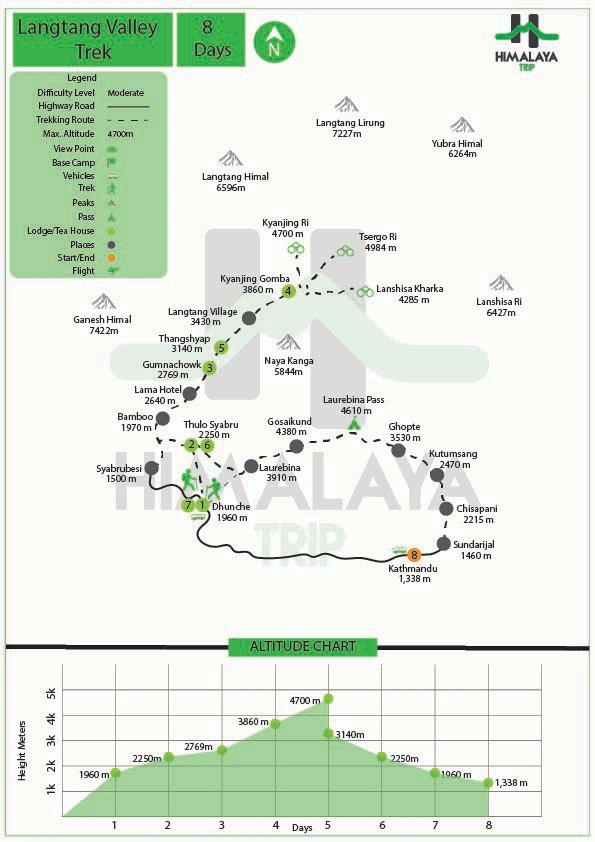
The Langtang Trekking Map is a useful tool for your trekking journey. Having a handy map with you will assist in navigation and guidance. You can be proactive about the terrain that is to be traversed and prepare accordingly. Trekking maps provide vital information that might not be available otherwise. You will get detailed information about the landmarks, sights, terrain, water bodies, and other information by having a map with you. Himalaya Trip’s all-inclusive Langtang Trekking package includes a full-fledged Langtang Trekking Map, which is thoroughly informative.
Whats Included?
Everything you need for a safe, comfortable, and memorable trek — packed into one transparent price. Below is a full breakdown of what is covered in your Langtang Valley Trek package.
Accommodation & Meals
- Meals : 8 Breakfast, 8 Lunch, and 7 Dinner during the trek.
- Lodge: Dhunche, Kyanjin Gumba, Thankshyap have private room with attached bathroom and Thulo Syabru, Gumnachowk have 2 -3 people share room. Hot Water all the places.
Transportation & Flights
- Hotel – Bus Station – Hotel by taxi.
- Kathmandu– Dhunche – Kathmandu by public bus or share Jeep.
Guide & Porter Services
- Guide: Food, Lodge, Transportation, Salary, Insurance, Equipment etc.
- Optional: If you can’t carry own backpack, hike a porter between 2-3 trekkers.
Equipment & Safety
- First Aid Kit carried by the guide throughout.
- Fingertip Pulse Oximeter (we use every day to check your oxygen level and pulse in your body to avoid high risk ).
Permits & Official Fees
- Langtang National Park permit.
- Himalaya Trip T-shirt.
- 13% Government VAT and official charge.
Complimentary Extras
- Local fresh fruit like Pomegranates and apple etc.
- Langtang Valley Trek Map.
- 24/7 emergency support line available during your entire trek.
Whats not Included?
- International airfare .
- Nepal’s visa fee (15 days for USD$30 and 30 days for USD$50), you fill up a form depart of immigration before you leave and pay cash and get visa on your arrival in Kathmandu airport.
- Hotel (Kathmandu Guest House ) and meals in Kathmandu.
- Your trekking gears.
- Porter cost USD 20 per day .
- All Hot, Soft and hard table drinks such as: coke, beer, mineral water.
- Tips for your guide etc.
Available dates & Prices
If you are two or more people, private trip is available any date, providing a fantastic opportunity. If you are solo travellers, our fixed group trips are thoughtfully scheduled and offer specific departure dates.
Group Discount Pricing
Price per person — the more you travel together, the less you pay
No. of Persons
Price per Person
-
1 PersonUSD 579
-
2 - 4 PaxSave 14% USD 499
-
5 - 9 PaxSave 22% USD 449
-
10+ Pax Best ValueSave 31% USD 399
Create Your Private Trip With
Your Own Itinerary and Dates
We are more than happy to design an itinerary tailored to your schedule and preferred route. Simply share your preferred travel dates, group size, and contact and travel details, and one of our travel experts will get in touch to help plan your journey.
Once your trip is confirmed, you’ll travel exclusively with your own group, enjoying a more personalized and flexible experience.
Langtang Valley Trek Packing list for 2026/27
The lowest point of this trek is Dhunche 1960 m and highest point is Kyanjin Ri 4700m. The temperature will be moderate cold at night. So, you need average warm clothes for 8 days . Our comprehensive checklist covers everything from base layers to permits — organised by category so nothing gets left behind before your Langtang Valley Trek begins.
Upper Body
- Thermal Base Layer (Top) ×1–2
- Short-Sleeved Trekking Shirts ×2
- Long-Sleeved Trekking Shirt ×1
- Fleece Jacket/Pullover ×1
- Down Jacket ×1
- Waterproof & Windproof Rain Jacket ×1
Undergarments
- Thermal Base Layer (Bottom) ×1–2
- Underwear ×4–5
Lower Body
- Trekking Pants ×2–3
Head Wear
- Warm Beanie ×1
- Sun Hat/Cap ×1
- Buff/Neck Gaiter ×1
Hands
- Lightweight Gloves ×1 Pair
- Insulated Gloves ×1 Pair (Recommended during colder months)
Footwear
- Trekking Boots ×1 Pair
- Trekking Sandals/Camp Shoes ×1 Pair
- Trekking Socks ×3–5 Pairs
- Gaiters ×1 Pair (Optional for snow or muddy trails)
Trekking Gear
- Backpack (40–50L) ×1
- Duffel Bag ×1 (If using a porter)
- Sleeping Bag (-10°C) ×1
- Sleeping Bag Liner ×1
- Trekking Poles ×1 Pair
- Backpack Rain Cover ×1
Safety & Climbing
- Headlamp ×1
- Extra Batteries ×1 Set
- Microspikes ×1 Pair (Optional during winter or snowy conditions)
First Aid Kit
- Bandages & Gauze
- Blister Treatment
- Antiseptic Cream
Medical & Medicine
- Personal Medications
- Pain Relievers
- Altitude Sickness Medication (Consult your doctor before use)
- Electrolyte Packets
- Rehydration Salts
Electronic & Power
- Mobile Phone ×1
- Camera ×1 (Optional)
- Power Bank ×1
- Charging Cables ×1 Set
- Universal Travel Adapter ×1
- Headphones ×1 (Optional)
- Extra Camera Batteries ×1–2 (If carrying a camera)
Toiletries & Hygiene
- Toothbrush & Toothpaste
- Soap
- Hand Sanitizer
- Wet Wipes & Tissues
- Toilet Paper
- Travel Towel ×1
- Lip Balm (SPF)
- Moisturizer
Hydration & Nutrition
- Water Bottles/Hydration Bladder ×1–2
- Water Purification Tablets, Drops, or Filter
Food & Snacks
- Energy Bars ×4–6 (Recommended)
- Chocolate ×2–3 (Recommended)
Documents & Money
- Passport
- Travel Insurance Details
- Cash (Nepalese Rupees)
Personal Safety
- Sunglasses (UV Protection)
- Sunscreen (SPF 30–50)
Optional
- Trekking Map
- Book or Journal
- Binoculars
- Camera Accessories
- Sleeping Mask
- Earplugs
Langtang Valley Trek FAQs
General
Langtang Lirung (7,227 m) is the most visible mountain on the Langtang trek. You will also see peaks such as Gang Chhenpo, Langshisa Ri, Dorje Lakpa, Yala Peak, and Kimshung.
You can experience the Tamang culture lifestyle. You will visit villages influenced by Tibetan Buddhism, explore Kyanjin Gompa monastery, see prayer wheels, mani walls, colorful prayer flags, and discover local hospitality in family-run teahouses.
Kyanjin Gompa is home to the oldest Buddhist monastery in the region and serves as the base for hiking Kyanjin Ri or Tserko Ri. It is also known for its traditional yak cheese factory.
The entire trekking route passes through Langtang National Park, Nepal’s first Himalayan national park, established in 1976. The protected area conserves forests, wildlife, alpine geography, glaciers, and Tamang mountain communities.
Langtang Village represents the resilience of the local community. The original settlement was devastated during the 2015 earthquake and later rebuilt nearby. Today, trekkers stay in the reconstructed village while supporting local families and businesses through tourism.
Yes, a traditional yak cheese factory operates in Kyanjin Gompa. You can visit the factory to learn how local yak milk is processed into cheese and buy them as a souvenir if you want.
Difficulty
The trek starts from Syabrubesi at 1,500 m to Kyanjin Ri at 4,700 m. This results in an elevation gain of about 3,200 m over several trekking days.
The hike from Kyanjin Gompa to Kyanjin Ri is the most physically difficult day. The climb reaches 4,770 m from 3,860 m, but the summit provides one of the most beautiful views of Langtang glaciers and Himalayan peaks.
The Langtang Valley Trek does not need technical climbing. The route follows normal trekking trails, and no ropes, crampons, harnesses, or mountaineering equipment are needed.
The Langtang Valley Trek covers 65–70 km round trip. The exact distance varies slightly depending on side hikes, such as the climb to Kyanjin Ri, which adds several kilometers to the itinerary.
Stone staircases appear in several parts of the trail near villages and forests. While they increase physical effort, they are spread across the route rather than forming continuous climbs.
The Langtang Valley Trek does not cross any high mountain passes. Unlike treks such as the Manaslu Circuit or Annapurna Circuit, the route follows a valley and returns the same trail after visiting Kyanjin Gompa.
The return journey feels easier because it is mostly downhill. Although descents still need cautious steps, many trekkers find the walk back to Syabrubesi less tough than the uphill approach.
Permits
The Langtang National Park Entry Permit is mandatory because the trekking route enters the first Himalayan national park of Nepal. The permit is checked at Dhunche checkpoints and supports park conservation and trail management.
No, a TIMS (Trekkers’ Information Management System) Card is not required for the Langtang Valley Trek. Although it was required in the past, trekkers no longer need a TIMS Card for this route.
Yes, we can arrange all required trekking permits before your trip begins. You only need to provide the necessary passport details and passport-sized photographs during the booking process.
Children under the age of 10 do not need trekking permits. However, children aged 10 and older must obtain standard trekking permits, with fees equivalent to those for adults.
No, you cannot legally start the trek without the required permits. Park authorities verify trekking documents at checkpoints, and missing permits may prevent you from entering the protected area.
Removing plants, rocks, animal products, or other natural objects from Langtang National Park is prohibited. The protected area follows conservation regulations that preserve its biodiversity and mountain ecosystem.
Scientific research, documentaries, and commercial filming need special government permission. Standard trekking permits do not authorize research activities or professional filming inside Langtang National Park.
Permits issued for other trekking regions cannot be used in Langtang National Park. The Langtang Valley Trek needs permits that are specifically valid for this protected area, regardless of where you previously trekked.
Transportation & Logistics
Alternate transport arrangements like local Jeeps or multi-vehicle transfers are immediately organized by our team to bypass damaged road area. We coordinate directly with Rasuwa traffic authorities for a safe transit without causing major delays to your scheduled trekking itinerary.
The Langtang Valley Trek does not need any domestic flights. Unlike Everest Base Camp, the total journey is completed by road and on foot.
Yes, the upper trail areas are still safe and were not affected by the August 2026 flash floods. The damage was mainly in the lower Bhotekoshi River area. The high-altitude trails, lodges, and villages such as Kyanjin Gompa are safe, stable, and undamaged.
Private transportation can be arranged on request for an additional cost. However, our standard Langtang Valley Trek itinerary includes travel by public jeep or bus to and from the trailhead.
If you hire porters, they carry your main trekking bag during the trek. You only need to carry a daypack containing personal essentials such as water, snacks, a camera, and extra clothing. Our package does not include a porter, you can hire with extra cost.
Road conditions can sometimes delay travel to and from Syabrubesi. Heavy rainfall, landslides, or road maintenance may increase driving time, so keep one or two extra days after the trek if you are traveling internationally.
The standard Langtang Valley Trek is an out-and-back route. You’ll follow the same trail from Syabrubesi to Kyanjin Gompa and return along the identical route.
No, you do not need to cancel your upcoming trek immediately. Instead, contact our trekking agency to discuss flexible dates or modify your itinerary to utilize the safer Dhunche entry point.
There is currently no official completion date for full road clearance. Because the August flood caused huge destruction to multiple motorable bridges, engineers expect repairs to take much longer than the two weeks needed to repair smaller monsoon-related road damage in the past.
Accommodation
Attached bathrooms are available all the places accept Lama Hotel. Lama Hotel provide shared toilets and washing facilities instead of private bathrooms.
Accommodation in mountain teahouses is included in the Langtang Valley Trek package offered by Himalaya Trip. The itinerary covers overnight stays from Syabrubesi through Kyanjin Gompa and back.
Rooms at Kyanjin Gompa are clean, simple, and comfortable for trekking. Many lodges provide twin beds with blankets and pillows, while washrooms are shared among guests.
They can find accommodation in local teahouses, but room availability cannot always be guaranteed during peak seasons. During the spring and autumn trekking seasons, book through Himalaya Trip to secure accommodation in advance.
Charging points are available in some lodges but not in every bedroom. Many high-altitude teahouses provide shared charging stations in the dining area, and a small additional fee is charged for using electricity.
Yes, an additional stay at Kyanjin Gompa can be arranged upon request for an extra charge, as it is not included in our package.
Accommodation quality changes with altitude. Lower villages like Syabrubesi offer better facilities, while higher settlements such as Langtang Village and Kyanjin Gompa provide basic services.
Food & Water
Vegetarian meals are easily available in teahouses. Dal Bhat, vegetable noodles, fried rice, potato dishes, soups, pancakes, and porridge are common choices.
Bottled mineral water is available in many villages, but buying it is discouraged because plastic waste is difficult to manage in the mountains. Himalaya Trip recommends using boiled water, filtered water, or purification tablets instead.
Tea and coffee are available at every overnight stop. You can enjoy black tea, milk tea, ginger tea, lemon tea, masala tea, coffee, and hot chocolate.
Yes, they are available in some lower villages, but it is better to choose vegetarian meals at higher elevations because fresh meat is difficult to transport and store safely in remote mountain areas.
Yes, chocolates are available in teahouses and small shops in almost every village. You can also find other snacks such as biscuits, instant noodles, energy bars, soft drinks, and packaged snacks.
Many meals are prepared using locally available ingredients, such as potatoes, seasonal vegetables, dairy products, and yak milk products. Staple foods such as rice, noodles, and packaged goods are transported from lower areas.
Trekking Items
Trekking poles are highly recommended because they improve balance, reduce pressure on your knees, and provide extra stability while crossing ridges or small streams.
Water-resistant trekking boots with good ankle support are the best choice.
A warm-down jacket is essential for mornings, evenings, and at higher elevations like Langtang Village and Kyanjin Gompa, as temperatures can fall below freezing even during the main trekking seasons.
A waterproof jacket and rain cover are important throughout the year. Weather in the Langtang region can change quickly, and unexpected rain or snowfall may occur even outside the monsoon season.
Carry your regular prescription medicines. Pain relievers, blister treatment, antiseptic cream, bandages, altitude medication prescribed by your doctor, and oral rehydration salts are also useful during the trek.
A headlamp, sunglasses, sunscreen, lip balm, reusable water bottle, power bank, toiletries, and a quick-dry towel are overlooked.
Synthetic or merino wool clothing performs much better than cotton. Cotton absorbs sweat, dries slowly, and can make you feel cold at higher elevations, while fabric clothes regulate body temperature.
A waterproof dry bag keeps clothes and electronics protected from rain and moisture. Even if your duffel has a rain cover, using an inner dry bag provides extra protection during the road journey and the trek.
Weather
Spring brings mild temperatures and blooming rhododendron forests on the lower trail. Daytime weather is comfortable for trekking, while mornings and nights are cold above Langtang Village and Kyanjin Gompa.
The trek can be completed during the monsoon, but rainfall can make the trails muddy, leeches in lower forests, and road delays between Kathmandu and Dhunche due to landslides.
October is regarded as one of the clearest months for sunrise views from Kyanjin Ri. Post-monsoon conditions provide the best visibility across Langtang Lirung, glaciers, and the surrounding Himalayan ranges.
Snowfall does not close the Langtang Valley Trek. Most of the route remains open, although heavy snowfall may temporarily affect hikes to higher viewpoints such as Kyanjin Ri.
Late spring and early summer provide the longest daylight hours.
Morning provides the better mountain views in Langtang Valley because clouds develop during the afternoon in warmer months, which affects the scenery.
Electricity & Internet
Mobile network coverage is available in almost every part of the Langtang Valley Trek. However, the signal may become weak sometimes at higher elevations and in more remote areas of the trail.
Nepal Telecom (NTC) SIM cards work best for the Langtang Valley Trek. International trekkers can purchase an NTC SIM card after arriving at Tribhuvan International Airport or in Kathmandu before starting the trek.
Internet access is available through paid Wi-Fi services. Connection speed varies by location and weather, and higher elevations tend to have slower internet than lower-lying areas.
Most unlocked mobile phones work with Nepalese SIM cards once a local SIM is installed.
Charging fees are not included in the trekking package. Lodges charge separately (around USD 1-2) for charging electronic devices, with prices increasing at higher elevations.
Mobile data works in some villages, but cannot be consistently reliable. Uploading photos or videos may be slow around Kyanjin Gompa, where network speed depends on signal strength.
A universal travel adapter is useful for international trekkers. Nepal commonly uses Type C, D, and M electrical sockets with a 230V supply,
Offline GPS apps will work without mobile network coverage if you download the maps before leaving Kathmandu.
Health
Headache, nausea, loss of appetite, dizziness, unusual tiredness, and difficulty sleeping are early symptoms of altitude sickness. If these signs appear, you should inform your guide immediately and avoid climbing higher until your condition improves.
Yes, travel insurance covering emergency helicopter evacuation is not necessary for this trek. If it covers Emergency helicopter, it protects you against medical emergencies, evacuation costs, trip interruptions, and other unforeseen incidents.
Normal health posts are available in Langtang, Kyanjin Gompa, Syabrubesi, and Lama Hotel, but serious illnesses or injuries need evacuation to Kathmandu for advanced medical treatment.
Walk slowly, drink plenty of water, eat fresh meals, avoid alcohol, and follow your guide’s pace to minimize altitude-related problems during the trek.
Yes, high-altitude ultraviolet (UV) exposure is much stronger than at lower elevations. Wear UV-protection sunglasses, apply high-SPF sunscreen, and use a hat to prevent sunburn and snow glare.
Cold and dry air at higher elevations can dry the nose and skin. Carry lip balm, moisturizer, and saline nasal spray to reduce discomfort during autumn and winter treks to Kyanjin Gompa.
Booking & Trip Services
An advance payment is required to confirm your booking. The deposit reserves your guide, accommodation, transportation, and completes the necessary preparations before the trek begins.
The remaining balance is paid after you arrive in Kathmandu, before the trek starts. We will explain the payment process during your pre-trek briefing and confirmation.
Himalaya Trip accepts cash payments in major currencies and other agreed payment methods. Payment details are provided during the booking process so you can choose the most convenient option before your trip.
Airport pickup and drop-off are included in the Langtang Valley Trek package. A representative from Himalaya Trip meets you at Tribhuvan International Airport and transfers you between the airport and your hotel in Kathmandu.
Road delays caused by landslides or weather are managed according to local conditions. Our guide will adjust travel plans whenever necessary and keep you informed throughout the journey to maintain safety.
The itinerary can be customized for private trips. Additional acclimatization days, extra nights at Kyanjin Gompa, or combining the trek with destinations such as Gosaikunda can be arranged based on your schedule and interests.
Unique Queries
Most buildings in Langtang Village were rebuilt after the 2015 earthquake and avalanche. The original village was destroyed, and the new settlement was constructed nearby.
Yes, short hikes beyond Kyanjin Gompa are possible, but longer excursions toward Langshisa Kharka need extra time and an additional overnight stay. The standard Langtang Valley Trek itinerary returns after visiting Kyanjin Ri.
Yak and mule caravans transport food, fuel, and daily supplies to villages. When they approach narrow parts of the trail, you should stand on the mountainside and let the animals pass safely.
These are Mani walls, an important part of Tibetan Buddhist culture. You should always pass them on the left side as a sign of respect for local religious traditions followed by the Tamang communities of Langtang.
Prayer flags are hung to spread prayers and blessings through the wind according to Buddhist belief. They are commonly seen at Kyanjin Ri, monasteries, passes, and village entrances.
Yak dung is used as fuel in high-altitude villages where firewood is limited. After drying naturally, it burns in dining-room stoves and reduces pressure on the protected forests inside Langtang National Park.
The Langtang Valley is narrow and surrounded by inclined Himalayan peaks. As you approach Kyanjin Gompa, mountains such as Langtang Lirung stand high above the valley, creating very close mountain views.
Local yak cheese is one of the most unique souvenirs from Langtang Valley. Made at the traditional cheese factory in Kyanjin Gompa, it reflects the long-standing yak herding culture and mountain lifestyle.
Langtang Valley Trek Review


2nd time with Himalaya Trip
I have just completed the Langtang Valley trek with Umesh as my guide. This is my second time using Himalaya Trip and they delivered a fantastic Nepal experience once again. Harka was a pleasure to deal with and makes all my trip arrangement's stress free. Both trips Harka has provided me with 5star guides. My first trip in 2024 was with Surpa and for my recent Langtang trip was with Umesh. Both guides have been exceptional at making my Himalayan experiences an absolute pleasure. Thank You.


Very memorable Langtang trek with great guidance and wonderful views
We had a wonderful Langtang trek with Jay our guide and Home and Bishal our porters.we were looked after so well.we enjoyed such a genuine experience in the mountains at the tea houses and walking in all the different terrains and felt very safe at all times


Himalaya Trip is just brilliant
We had the most wonderful time with Jay, Home and Bisal on Langtang Gosaikunda trek. We felt safe at every moment, with our trek expertly guided by Jay. This allowed us to enjoy both the breathtaking scenery, as well as the company of our fellow travellers. We could not recommend Himalaya Trip more highly: from Harka meeting us at the airport, to our final (in some cases, tearful) farewells at the end of the trek, everything was just brilliant.


Wonderful langtang Gosaikunda trek
Wonderful 14 day trek along the stunning Lagtang valley & on to the majestic Gosaikunda lake. Truly varied trek taking you through lush forests, then close up to mountain peaks before ascending the high Larubina pass. We were recommended this trip by a friend who did it last year with this company. Harka’s advance organisation was excellent always answering our many queries ! Our guide Jai is super experienced and took our safely and well being seriously. Our two porters Home & Bisal always helpful and friendly. It’s a family team and means a warm team spirit along the way. Thank you everyone for a truly memorable experience in beautiful Nepal.


Langtang Valley was fabulous
Our Himalaya trip trekking up the Langtang Valley was fabulous. Being surrounded by the majestic mountains was an unforgettable experience. Himalaya trip really made the whole experience seem less and easy throughout
The booking process, welcome meeting at our hotel and briefing all seamless and with a friendly approach throughout
Jai our guide and Umesh our porter were brilliant, calm and assured and also extremely friendly and spending the week with them augmented our experience significantly. I recommend Himalaya Trip unreservedly - fantastic experience all round


Our trip to Langtang was fantastic
Our trip to Langtang was fantastic. Very well organised with lots of flexibilty to change our program based on how we coping with the conditions. Lots of care and attention and good humour from our guide Ramesh. Was my second trip with Himalaya trip this season and both were a delight. Highly recommend them.


Langtang Valley Trek 16 People Group
We 16 people group were led by Sr guide Jay for 9 days trek to Langtang national park. Jay led 2 assistant guides and 8 porters, they are a reliable team that we can count on for the whole trip. Highly recommended. The priority choice for climbing itinerary.


Langtang trip
16 of us recently did a Langtang trip with guide Jay and two assistants and 8 porters. We summit both Kyanjin Ri and Tserko Ri back to back. It’s really been a wonderful experience and everyone in the team was excellent. Highly recommended!


Langtang Trek
Our Langtang trek wouldn’t have been the same without our incredible guides and porters. From day one, Jay, Santoshi, Sandeep along with a team of porters were professional, kind, and deeply knowledgeable about the terrain, local culture, and safety. They paced the hike perfectly for our group, checked in on how we were feeling every day, and handled all logistics so we could focus on enjoying the journey.
I’m so grateful for their care and companionship. If you’re considering a trek in the Himalayas, I highly recommend going with this team. Their service is top-notch, and their presence makes the experience truly meaningful.
Top of the world!
Harka and our guide Joy organised a fantastic 12 day Langtang Gosaikunda trek. Throughout the challenging walk we were charmingly looked after and organised in relation to sleeping and eating. Our walk took us to a fantastic variety of locations with awe inspiring Langtang Himalayas views and scenery. We felt challenged throughout. It really was the trek of a lifetime.
UK, Nov 2023
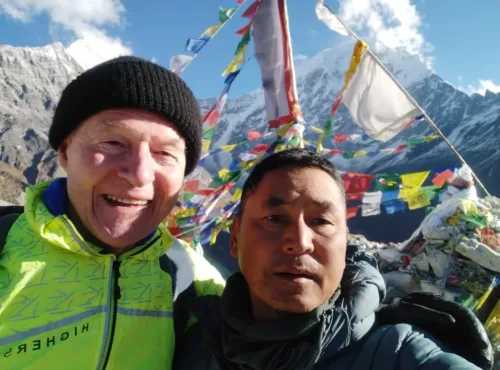
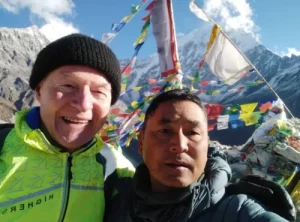
Third trek with Himalaya Trip – Langtang
This was my third trek with Himalaya Trip and as always it was a great experience. I was efficiently met at the airport by my guide, Ramesh, and then fully briefed at the hotel by Harka Gurung before having an acclimatisation day prior to setting off. A day on the road there and back to the start point is not too onerous as it is interesting to see varying local sights and agricultural methods.
The trek itself in November was an excellent time of year as the weather, whilst quite cold at night, was clear and fine offering fantastic views and a walking programme which was well within my capabilities as a not so young trekker. My guide, Ramesh, was superb and looked after me very attentively and always found excellent accommodation. And my porter, Sandeep, carried my kit uncomplainingly and always with a smile on his face. The views from Kyanjin Ri are particularly spectacular and Ramesh ensured I made it to the top even though I was a bit puffy in the thinner air.
I fully recommend this trek and Himalaya Trip as the Company charge fair prices for a a very efficient and friendly service. It was another unforgettable experience and my thanks to all the team for giving me a great time, I will come again! "
UK, November 16, 2023
First trek in Nepal ( with my girlfriend )
This was my first trek in Nepal ( with my girlfriend ) and it was amazing. Communicating with Harka was easy, helpfull and quick.
At first, it was a bit nerve-wracking if everything was going to go well, if the altitude wasn’t going to hit me, if my fitness level was moderate enough - but to say the least, all went great. There were a few parts during the hike that were quite intense but our guide Ramesh supported us throughout. Ramesh was so kind and helpful, if there were wild animals ( monkeys, mountain goats and more ) he was the first to spot them and make sure the whole trip was a blast!
I would like to thank Himalaya Trip and Ramesh for this awesome trek and definitely till next time!
Netherlands, 27 Feb 2024
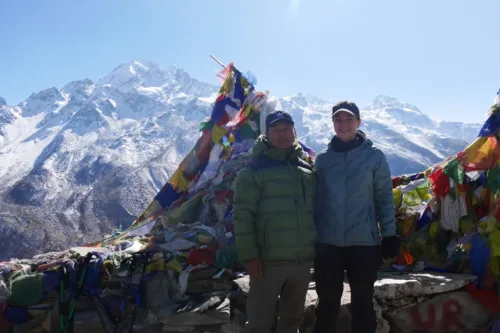
Well Organized Langtang valley Trip
Last week we went on the Langtang Valley Trek. The trip was well organised, from initial email contact and meeting with director Harka to discuss our schedule, to meeting our guide Ramesh and starting the trip. Himalaya Trip was flexible with our needs and we were able to book this trek last minute, which was great for us.
In total the trip lasted a week, this included two days of travelling from and to Kathmandu to Syabru Bensi, and five days of walking. During the trek, we adjusted the program a bit to suit our needs and abilities. The trek itself was beautiful; it was also physically challenging but truly thanks to Ramesh, we made our goal to get to Kyjanin Gompa and even Kyanjin Ri! Ramesh took good care of us, he was fun to have around and he told us interesting things about the places we visited and about the history of Nepal. Overall, we really had a good time and I hope we can do another trek in the future!
Netherlands, 27th Feb 2024
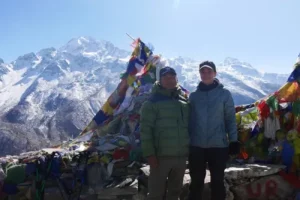
Rahul Joshi and his son at Kyanjin Gompa
Rahul Joshi and his son on Langtang Valley Trek
Peter at Kyanjin Ri
Peter Langtang Valley Trek
Reviews from the globe

Hi! Im Sara, from Spain! Good morning! Yesterday we arrived from our 11-day trekking in Gokyo. There were 3 people from Spain, and I don’t know how to express how happy I felt. From the beginning, Himalaya Trip has been attentive to us, with a welcome at the hotel and...

Incredible!
Hi! Im Sara, from Spain!
Good morning!
Yesterday we arrived from our 11-day trekking in Gokyo.
There were 3 people from Spain, and I don’t know how to express how happy I felt.
From the beginning, Himalaya Trip has been attentive to us, with a welcome at the hotel and explanation of the route, rental of necessary equipment, etc.
The most important thing for us has been the ease and comfort with which Ramesh (our precious guide) has taken care of us at all time.
Attentive to the food, to make sure we didn’t get cold, adapting the route day by day according to the needs of the team.
I only have words of gratitude for Ramesh, who I would recommend for any trekking in the world.
In addition to being a great guide and knowing all the mountains of Nepal perfectly, he is a great person, with a big heart.
We hope to repeat in the not too distant future and hopefully it can be with him, since he is already part of our family.
Thank you for everything, from the bottom of my heart.
Thanks!!!!


Had an incredible experience doing the Mardi Himal trek with Himalaya Trip. Our guide Jay and our two porters Umesh and Masak were all simply incredible people. I’m a photographer so always have odd requests for weird areas to access for better angles or even simply just extending time in...
Couldn’t recommend enough
Had an incredible experience doing the Mardi Himal trek with Himalaya Trip. Our guide Jay and our two porters Umesh and Masak were all simply incredible people.
I’m a photographer so always have odd requests for weird areas to access for better angles or even simply just extending time in certain areas and all requests were met with so much help from the team. Highly recommend

I had an amazing time trekking with Surpa, particularly as this was my first solo trek. Beautiful views doing the Mardi Himal trek over 4 days, Surpa was a great guide who organised everything so well for me, kept me well fed, supported a good pace the whole way and...
Mardi Himal: fantastic trek & wonderful guide
I had an amazing time trekking with Surpa, particularly as this was my first solo trek. Beautiful views doing the Mardi Himal trek over 4 days, Surpa was a great guide who organised everything so well for me, kept me well fed, supported a good pace the whole way and always cheerful. Would recommend, and I would happily have him as my guide again in the future. The organisation and booking with Himalaya Trip was great, really responsive on emails and Harka was so helpful in organising everything and meeting me in Kathmandu for a briefing before the trip. Thanks so much!
Our 4 day Mardi Himal Trek with guide Milan and porter Plekta was a wonderful experience. The manager Harka Gurung met with us over coffee in Kathmandu and briefed us about expectations as this was our first trek. After that our guide met us at our hotel in Pokhara, helped...
Once in a lifetime experience in the Himalayas
Our 4 day Mardi Himal Trek with guide Milan and porter Plekta was a wonderful experience. The manager Harka Gurung met with us over coffee in Kathmandu and briefed us about expectations as this was our first trek. After that our guide met us at our hotel in Pokhara, helped us rent equipment, and handled all logistics in between. Our first time in the Himalayas was unforgettable between all the unbelievable landscapes and scenery, and we were lucky to have MIlan and Plekta with us to experience it all. I can’t begin to describe how ethereal sunrise is over the base camp, but hopefully you’ll be able to experience it soon!
Why Choose Langtang Valley Trek?
There is more than one reason to choose the Langtang Valley Trek, which are as follows:
Less Crowded and Quiet Path
Even though it’s a popular trek, the Langtang Valley Trail isn’t crowded, which makes it feel more off-the-beaten-path. If you don’t like busy places, this is perfect for you. Unlike commercialized treks like the Annapurna Base Camp Trek, Annapurna Circuit Trek, or Everest Base Camp Trek, the Langtang Valley offers a quiet trail through serene landscapes. It allows you to connect with nature and enjoy the spectacular mountain views. With fewer trekkers, you can really enjoy the nature and culture around you. You can meet with locals and learn more about their way of life. If you want a peaceful trekking experience, consider Langtang Valley.
Rich Culture and Traditions
The people living in the valley are mainly Tamang. There is an influence of Tibetan Buddhism on their culture and traditions. Their way of life is reflected in their homes, monasteries, and religious sites. The trek gives you a chance to explore their unique traditions and customs. You will trek past these traditional villages and visit monasteries. It allows you to witness the living Himalayan heritage. Unlike commercialized trails, Langtang Valley allows you to experience authentic local customs. Similarly, you will stay at local teahouses and lodges run by the local families. They welcome you warmly and treat you with friendly mountain hospitality. You will also get to taste home-cooked style meals like Dal Bhat. The rich culture and traditions along the Langtang Valley Trekking trail offer a vibrant, memorable experience.
Kyanjin Ri
Kyanjin Ri is a fantastic viewpoint for seeing the Langtang mountain range. It is 4,328 m high, and reaching it requires a moderately challenging hike. You start the short hike from the beautiful village of Kyanjin Gompa. It requires you to trek over steep, rugged terrain. But once you are at the top, you will be rewarded with stunning views of the Langtang peaks like Langtang Lirung, Naya Kanga, and others. Similarly, you can enjoy the gorgeous views of glaciers and the surrounding valley. Anyone with reasonable fitness can hike to Kyanjin Ri. Hence, it is accessible even to beginners with good fitness and preparation. It makes the viewpoint one of the must-visit spots on the Langtang Valley Trek.
Langtang National Park
Langtang National Park is located directly north of Kathmandu and adds beautiful natural features to the Rasuwa district. Due to its rich biodiversity and stunning landscapes, the park was established in 1976. Langtang National Park covers an area of 1,710 square kilometers and borders Tibet to the north. To the south is Nuwakot district, to the east is Sindhupalchok district, and to the west is Dhading district. The park has rugged mountains, deep valleys, high meadows, and glaciers. Langtang National Park is also home to various wildlife, including red pandas, Himalayan tahr, snow leopards, langur monkeys, and many bird species.
Temperature During Langtang Valley Trek
No matter what the time of the year is, once you traverse beyond Langtang village, the night temperature will be chilly. The daytime temperatures are relatively warmer during Spring and Autumn. We suggest you have a look at the table below to have a general idea of the temperature on the trek to Langtang.
| Location | Spring Temperature Range (°C) | Autumn Temperature Range (°C) |
| Kathmandu | 10°C to 25°C | 10°C to 25°C |
| Dhunche | 7°C to 24°C | 4°C to 22°C |
| Lama Hotel | 0°C to 15°C | 5°C to 15°C |
| Langtang Village | -5°C to 10°C | 0°C to 10°C |
| Kyanjin Gompa | -10°C to 5°C | -5°C to 5°C |
Please note that these temperature ranges are approximate and can vary from year to year. It’s essential to check the current weather conditions and forecasts before embarking on a trek to the Langtang region during these seasons.
Can a beginner trek to the Langtang Valley?
Yes, a beginner can easily complete the Langtang Valley trek if they are physically fit. The trek is considered moderate in difficulty and does not require any technical skills, such as climbing or mountaineering. However, it requires long days of hiking of about 6 to 7 hours in rugged terrain and high altitudes of over 3,500 meters. The continuous uphill and downhill climb in the Himalayas can be quite challenging and demanding for you. You can be ready for this trek with regular hiking or cardiovascular training beforehand.
Furthermore, your itinerary should have a proper acclimatization day. For beginners, we generally recommend hiring a guide, as they will look after everything for you, making your journey easier and safer. Despite some of the challenges mentioned, the Langtang Valley Trek is suitable for beginners who are well-prepared and motivated. Additionally, you will get well-marked trails with multiple resting stops and many teahouses, making your overall journey easy, even for beginners.
Langtang People and Culture
The Tamang people live in and around the Rasuwa district, including Langtang Valley. They are Indo-Tibetan groups of people who are said to have migrated from mainland Tibet centuries before. Their language, food, culture, and beliefs closely resemble traditional Tibetan customs. Along the trekking trail, you’ll see many Buddhist monuments, with the famous one located at Kyanjin Gompa, which means Kyanjin Monastery. There are also small chortens, mani walls, and other Buddhist sites in and around the Tamang villages during the trek. The Tamang people are known for their hospitality and warmly welcome guests.
In addition to tourism, the Tamang people in Langtang Valley engage in small-scale farming and yak herding. You’ll come across several yak pastures on your way to Kyanjin Gompa, as well as large farmlands after crossing Langtang village. There is also a yak cheese factory that produces cheese from yak milk. The biggest festival they celebrate is Losar, which is the Tibetan New Year. A small number of Sherpa and Hyolmo people also live in this valley.
Langtang Valley Trek Geography
The landscape of the Langtang region is full of varied and beautiful views. In the lower part of the trek, you’ll pass through deep river-cut gorges. Until you reach Ghodatabela on day 3, you will hike through dense forests with steep climbs, waterfalls, landslides, and thick jungle. After Ghodatabela, the terrain changes to a sub-alpine zone.
You will find valleys in Langtang, surrounded by rocky mountains. There are also pasturelands in the area. As you go further, the land becomes more barren with a semi-dry landscape. At Kyanjin, you’ll be surrounded by the Langtang mountain range, with high mountains, dry peaks, glacial lakes, dry riverbeds, and rocky terrain all around.
How can we get to Dhunche??
Local Bus / Jeep
The public bus to Dhunche is located in Machhapokhari, near Kathmandu Bus Park. This bus station is approximately 25 minutes from Thamel. You may take a direct bus to Dhunche from here, which leaves every hour till 9:00 a.m. We arrange a deluxe bus or a public Jeep. The bus or Jeep to Dhunche costs NRP 1000. Public bus / Jeep normally plays Nepali music, you do not want to listen, you’d better prepare earplugs.
Private Ride in a Jeep/Micro
You can rent a 7-seater Jeep from your Kathmandu hotel to Dhucneh and travel all the entire way. Traveling in a private vehicle has several advantages, such as stopping at places of your choice, taking some detours in major heritage sites, having a shorter traveling time, and more. However, it is slightly more expensive; a Jeep from Kathmandu to Dhunche costs NRP 18,000. If you return in a private vehicle, you will pay an additional NRP 18,000. Obviously, joining a larger group or finding someone to split the cost will make the Langtang Valley trip in Nepal more affordable.
Langtang Valley Trek After 2015 Earthquake
The massive 2015 earthquake had badly affected the Langtang Valley. The earthquake caused massive devastation and loss of life. Much of the households, infrastructure, and teahouses were destroyed by this earthquake. Similarly, the landslides occurred alongside some of the trekking routes, which damaged the trails, resulting in a temporary halt to tourism in the area.
However, the valley did not lose its hope and gradually started to rebuild itself. The support of local communities and international aid will help develop basic infrastructure in the area. The teahouses were reconstructed in a more modest form. The trails were restored. Trekking Langtang Valley now has been much easier compared to dating back to 2014.
The overall destruction caused the rebuilding of the valley. While the scars of the earthquake are still visible, the local people’s resilience and determination to revive the region have made the trek possible again. Despite this tragic event, Langtang Valley remains stunning, with breathtaking views of snow-capped mountains and friendly people.
What Can You Expect in the Teahouse During the Langtang Valley Trek?
As teahouses are the most common means of accommodation during the Langtang Valley Trek, you can expect basic facilities in them. Due to the remoteness and high altitude of the region, getting luxurious facilities in those teahouses is not possible. They basically provide you with a place to stay. The teahouses are generally simple and offer you twin beds, blankets, and an inside bathroom. Lama Hotel has shared bathrooms. You can also get a hot shower here. However, you are required to pay some extra charges.
Local people along the trekking route have turned their homes into wooden teahouses with several rooms. Each teahouse has a kitchen, dining area, and snack shop. In the evenings, you can relax by the log fire in the dining area. At a teahouse, you’ll get a bed, mattress, pillows, and a quilt. If you feel the quilt isn’t warm enough at night, you can rent a sleeping bag in Kathmandu before your trek.
Furthermore, teahouses are the place where you will have your food during the journey. Offering you both international and Nepali dishes, you can choose from both vegetarian and non-vegetarian options. Each teahouse has its own communal dining space where you will have your meal and share stories with your fellow travelers. Electricity and Wi-Fi are available in some teahouses but are often limited and come with additional costs. Charging your devices can be slow, especially at higher altitudes, so it is wise to carry a power bank.
During your Langtang Valley Trek, you’ll stay in basic teahouses (Mundu, Kyanjin Gumba, Thangsyap have private rooms with attached bathroom, and Lama Hotel has private rooms with shared toilet or bathroom). Teahouses are a popular accommodation option for trekkers in Nepal because they combine homestay-style hospitality with hotel-like amenities. They are also budget-friendly.
Meals During the Trek
As with any other trek in Nepal, the teahouses provide food and beverages in the Langtang trek. The tea houses offer a variety of food choices to cater to different tastes. The meals include a mix of Tibetan, Nepalese, and continental cuisines, in their own style. One highly recommended meal option is “Dal Bhat,” which is known for being both satisfying and nutritious. This traditional Nepalese set dish includes rice, lentil soup, curries, and pickles. Many trekkers prefer this dish for its high nutritional value and ability to keep them full during their trek.
In addition to Dal Bhat, you can find a range of other delicious treats, such as pasta, noodles, and pies, at the tea houses along the way. Every lodge has its own menu, so you will have your own choice. The food is hygienic, but it is not like city food. Non-veg foods are not recommended as they do not sacrifice animals and respect their culture. Additionally, please note that Langtang Valley and the surrounding areas do not entertain meat products owing to their religious practices. It is not preferred even to take canned meat products in the Langtang area.
- Breakfast: Simple Breakfast (Eggs, hash brown potatoes, toast or Tibetan Bread, Pancake, Muesli, Oat Porridge, etc.)
- Lunch and Dinner: Nepali Thali (Plain Rice, Lentil soup, Potato Curry, Green Vegetable, Papadam, Tomato Hot spicy, Chicken curry optional), Macaroni, Spaghetti, Potato item, Mo.Mo or dumplings, Pizza, fried rice, Fried Noodles, French fries, etc.
- Dessert: Fresh fruit (apple, orange, pomegranate, banana, and any seasonal fruit) served as a sweet dessert.
Note: All soft, hot, and hard drinks are not included. If you have any specific dietary requirements or preferences regarding food availability during your trek on the Langtang trail, please inform us in advance so we can make suitable arrangements.
Altitude Sickness on the Langtang Valley Trek
There is a slight risk of altitude sickness during the 8 Days Langtang Valley Trek as you will be ascending to an elevation above 3,500m above sea level. Altitude sickness, also known as Acute Mountain Sickness (AMS), is a condition that occurs at high altitudes. It usually occurs when trekkers ascend to higher elevations too quickly without proper acclimatization. Regardless of age, fitness, or experience, anyone can experience altitude sickness. Although the Langtang Valley is at a moderate altitude, trekkers must still respect the effects of altitude and take proper precautions.
Here are some ways to minimize or avoid altitude sickness during the Langtang Valley Trek:
- Acclimatize Properly: Spend extra time at key points like Kyanjin Gompa to allow your body to adjust to higher altitudes. Climbing slowly and taking rest days can help your body adapt.
- Stay Hydrated: Drink plenty of water to stay hydrated, but avoid alcohol, as it can dehydrate you and worsen altitude sickness.
- Ascend Gradually: Stick to a slow pace and avoid pushing yourself too hard, especially as you reach higher altitudes. Try not to gain more than 300–500 meters (1,000–1,600 feet) in elevation per day.
- Eat Light Meals: Eating nutritious, energy-rich foods can help you stay strong during the trek.
- Listen to Your Body: If you feel symptoms such as headaches, dizziness, or shortness of breath, descend immediately and rest. Medications like Diamox can also help, but it’s best t consult a doctor before you trek.
Permits for Langtang National Park
Most of the Rasuwa district is enclosed by Langtang National Park, the first Himalayan national park. It was established in 1976. The dense forests, high mountains, and river-cut valleys are all a part of the national park. It is a government-protected area. The entire Langtang Valley Trekking trail also lies within the national park, so all trekkers must obtain an entry permit to access it.
You will need to obtain the Langtang National Park Entry Permit for Langtang Trekking. This permit can be obtained in Kathmandu or at Dhunche (Day 2). The permit costs are as follows:
- SAARC Nationals: NPR 1,500 (approx. USD 15) per person.
- Non-SAARC Nationals: NPR 3,000 (approx. USD 30) per person.
Note: The permit is single-use and will be valid for the entire duration of the Langtang trek.
Perfect Time to do the Langtang Valley Trek?
We organize this Langtang Valley trek all the month. But if you are planning to do this trek at the best time. We recommend the following time.
- Winter (December – February): This is the coldest time of the year. But this trek is still possible.
- Spring (March-May): This is the best time to trek in the Langtang Valley. You will have wonderful weather with warm temperatures. You will also have a chance to see the Rhododendron flowers.
- Summer (June – August): This is the monsoon in Nepal. There is a chance of mostly rain and cloudy. A rain poncho or rain jacket is needed.
- Autumn (September – November): This is another excellent time to do this trek after the rainy season. The weather is fresh and clear, with a warm temperature.
Trips you may like
Tamang Heritage Trail Trek
7 Days
Trekking
USD 449 per person
Langtang Gosaikunda Trek
13 Days
Trekking
USD 749 per person