Winter and Monsoon Special Offer! Get 5% off on all trekking packages in Nepal . Visit during June , July, August, December , January and February and take advantage of this limited-time deal.


Unique Experiences on the Poon Hill Trek
- Best Sunrise, Dhaulagiri, Annapurna, Machhapuchhre View from Poonhill (3,210 m / 10,531 ft)
- One of the Biggest Ghandruk Gurung villages and Ulleri Magar Village
- Scenic View of Dhaulagiri (8,167 m / 26,795 ft), Manaslu (8,163 m / 26,781 ft), Annapurna I (8,091 m / 26,545 ft), and other Himalayas.
- Small villages Birethati, Hile, Tikhedhunga, Ghorepani, Tadapani
- Waterfall, Rice Terrace, Suspension bridges
- Easy and Short trek in the Annapurna region
- Rhododendron flowers in February, March, and April
- Deurali Pass, Tadapani Hill, is the best spot for beautiful Himalaya views.
- Observing Gurung, Magar, and other people’s lifestyles and culture is a good opportunity.
- Peaceful jungle walks from Banthati to Ghorepani, Tadapani, and Ghandruk.
Activity
Trekking
Altitude
3,210 m / 10,531 ft, Poonhill
Best Season
Sept - May
Meals Included
3 Breakfast, 4 Lunch, 3 Dinner
Transportation
Taxi or Jeep or Van or Bus
Destination
Most Popular Treks
Accommodation
3 Nights at Lodge
Duration
4 Days
Region
Annapurna Region Treks
Group Size
2
Difficulty
Easy
Activities
4 Days Trek
Poon Hill Trek Overview
The Ghorepani Poon Hill Trek is a short but rewarding journey that takes you deep into the Annapurna Conservation Area (ACAP). It is an easy-to-moderate adventure with nature and culture. The journey begins with a scenic, one-and-a-half-hour drive from Pokhara to Nayapul. From here, your exciting journey on one of the most popular trails of the Annapurna region begins.
The trekking trail of Ghorepani Poon Hill takes you through dense subtropical forests of rhododendron, oaks, firs, and birches. You will traverse traditional Gurung and Magar villages of Ulleri, Bhanthati, Nangethti, Ghorepani, Tadapani, and Ghandruk. Similarly, you will stay at cozy teahouses, run by locals during the 4 days trekking period. It provides you with an opportunity to experience the authentic Nepalese hospitality and take a closer look at the unique culture and traditions.
The major highlights of the Ghorepani Poon Hill Trek are the Poon Hill Viewpoint (3,210 m / 10,531 ft). It is also the highest point of the journey. You can witness one of the most magical sunrises with spectacular mountain views. Throughout the journey, you can witness stunning panoramas of Annapurna South, Machhapuchhre (Fishtail), Hiunchuli, and Dhaulagiri. The gorgeous scenery, which does not require a multi-week and demanding trek, also makes the Poon Hill Trek popular among trekkers of all ages and experience levels.
Aside from the rewarding experience and mesmerizing views, the trek is easily accessible. It makes the trekking trip suitable for beginners, travelers with limited time, and families with kids and senior members. Therefore, Ghorepani Poon Hill is the ultimate short trek. It is one of the finest trek destinations of Nepal for 2026. Enjoy this simple yet rewarding trek with stunning views and an immersive cultural experience in the Himalayas with Himalaya Trip. If you too want to be part of the incredible journey, join our 4 Days Ghorepani Poon Hill Trek in 2026.
A quieter way to experience Poon Hill with Muldai Viewpoint
Poon Hill is the most popular viewpoint in the Annapurna region, but there are lesser-known and hidden spots, such as the Muldai Viewpoint. Combining Ghorepani Poon Hill with a side hike to Muldai lets you explore deeper and quieter areas of the Annapurna foothills. It also makes the entire journey more immersive and enriching.
While Poon Hill stands at 3,210 m, the Muldai Viewpoint is slightly higher at 3,637 m. From here, you can get even closer and uninterrupted views of the Annapurna and Dhaulagiri ranges. As Muldai is at a higher elevation, you will be above the morning haze. There are fewer clouds at sunrise, and the view is unparalleled. It offers a different view of the surrounding mountains and landscape. The mountain views from the Muldai Viewpoint extend farther, forming a semicircle. Likewise, the towering vistas look more layered than stacked. You can get clear views of the individual peaks and even see the depths between ridgelines, glaciers, and valleys.
Another reason to take a side hike to Muldai Viewpoint is that the sunrise from here lasts longer than Poon Hill. You can spend more time here to watch the golden sun rise from the east, and shadows shift across the Annapurna massif. Similarly, you will also have time to take amazing photographs without rushing. Unlike the crowded Poon Hill trail, the trail to Muldai is less crowded. You will ascend through a quiet, narrow forest trail with occasional rocky sections. There are a few steep ascent sections that add to the hike’s challenge. It makes the journey even more rewarding when you reach the top of the Muldai Viewpoint.
An extension to the Muldai Viewpoint with the Poon Hill Trek allows you to explore a less-traveled viewpoint of the Annapurna region. If you too want to enjoy a mesmerizing sunrise with wide views of the mountains without the crowds, why not add this beautiful side extension to your Ghorepani Poon Hill Trek itinerary?
Here is a short video that provides a clear overview of the trail, viewpoint, and overall experience of the Poon Hill Trek!
Explore Traditional Villages and Stunning Views on Poon Hill Trek
This trek takes you through traditional villages like Ghandruk and Ghorepani, where you can experience the rich Nepali culture while enjoying views of Annapurna and Dhaulagiri. The sunrise at Poon Hill is truly spectacular, making it a must for any trekker.

POON HILL TREK OUTLINE ITINERARY
Day 01:
Kathmandu or Pokhara - Nayapul drive and trek to Ulleri (1,960 m / 6,430 ft, 42km or 1 and a half hour drive and 9.2 km or 5-6 hours walk).
Day 02:
Trek from Ulleri-Bhanthati - Nangethanti -Ghorepani (2,874 m / 9,429 ft, 8 km or 5-6 hours walk).
Day 03:
Trek from Ghorepani-Poonhill-Tadapani (2,630 m / 8,629 ft, 11.2km or 7 hours walk).
Day 04:
Trek Tadapani - Ghandruk-Syauli Bazar and drive to Nayapul-Pokhara or Kathmandu (11 km or 5-6 hours walk and 52km or 2 hours drive).
4 DAYS POON HILL TREK ITINERARY
Kathmandu or Pokhara - Nayapul -Tikhedunga – Ulleri (village)
Activity
42km, 2 hours drive, 9 km,5-6 hours walk
Highest Altitude
1,960 m / 6,430 ft Ulleri
Accommodations
Super View Point Guest House or similar
Meals
L, D
You will begin your journey in Kathmandu or Pokhara. If you are in Kathmandu, you must first travel to Pokhara. It takes 6 to 8 hours of scenic drive on the Prithvi Highway to get to Pokhara. So, it will extend your itinerary by a day.
If you are starting from Pokhara, our guide will pick you up from your hotel at Pokhara by 8:00 am in the morning after your breakfast. The journey from Pokhara to Nayapul takes on the Baglung-Pokhara highway (Phedi, Naudanda, Kande, Lumle ). It’s a 40-kilometer stretch that takes about 1 to 1.5 hours to cover. From Nayapul, we will begin our trekking adventure. The trail from Nayapul is easygoing for the first 2 hours. Nayapul sits on the bank of the Modi River, which originates from the Annapurna massif.
The Ghorepani Poon Hill Trekking trail from Nayapul starts with a gradual walk along the Modi Khola River. It takes us to Birethanti first. There is a checkpost for ACAP at Birethanti. We will show our permit and continue ahead. The trail takes us through charming villages like Matathanti, Lamdawali, Sudame and Hile (Lunch Place) before arriving at Tikhedhunga. Right after Tikhedhunga is a suspension bridge that we cross to begin the steep section of the trek. The trail becomes challenging from here onwards. We will climb about 3,200 stone steps to reach Ulleri, our overnight stop. Similarly, we will also pass through forests of rhododendrons and oaks to reach Ulleri. Overnight at Super View Point Guest House or similar. Private room with attached bathroom and Hot Shower, wifi , battery charge etc.
Optional: If you take a flight from Kathmandu to Pokhara and start the trek on the same day, our guide will meet you at the Pokhara airport and drive to Nayapul.


Ulleri– Nangethanti - Ghorepani Deurali
Activity
8 km, 5-6 hours walk
Highest Altitude
2,874 m / 9,429 ft, Ghorepani
Accommodations
Hungry Eye Guest House or similar
Meals
B, L, D
You will have your first gaze at the Annapurna massif from Ulleri. After breakfast, we will continue on our Ghorepani Poon Hill Trek route. The trail then ascends gradually from there on. It passes through stone staircases, small villages, and hillside terrace farms. Similarly, the trail also enters the Annapurna Conservation Area Project. This section of the trek is enriched with diverse flora and fauna. The trail is blessed with deep jungles, mostly rhododendron, juniper, birch, and fir.
We traverse deep into the jungles and make our way through the tiny hamlets of Banthanti and Nagethanti (Lunch Place ) . From Nangethanti, the trail continues to ascend and takes us to Lower Ghorepani. As we exit the forest trail, a flattened slope directly below the Poon Hill viewpoint comes into view. There are tiny tea houses scattered all across this place, which is Ghorepani. The village is surrounded by stunning scenery. We can also enjoy gorgeous views of Annapurna South, Dhaulagiri, Machhapuchhre (Fishtail), and Hiunchuli. Ghorepani will be our overnight stop at Hungry Eye Guest House or similar at Ghorepani. Private room with attached bathroom and Hot Shower, wifi, battery charger etc.


Ghorepani - Poon Hill – Tadapani
Activity
11.2 km, 7 hours walk
Highest Altitude
2,630 m / 8,629 ft, Tadapani
Accommodations
Hotel Panorama Point Tadapani or similar
Meals
B, L, D
Today is the best section of your journey as you reach the picturesque vantage point of Poon Hill. We are woken up early by our guide, around 4 A.M. We begin with our hike towards Poon Hill from Ghorepani. Your headlight will come in handy as it will still be dawn. An hour’s hike will take you at Poon Hill. This is a flattened surface on top of a hill that overlooks Mt.Dhaulagiri (8,167 m). Additionally, the viewpoint offers mesmerizing views of the Annapurna South, Barahi, Shikhar, Hiuchuli, Nilgiri, Dhaulagiri ranges, Tukuche Peak, Annapurna I, II, III, IV, Lamjung Himal, Mt. Manaslu, Machhapuchhre (Fishtail), and other surrounding mountains.
We descend from Poon Hill, and after a hearty breakfast at Ghorepani, we will begin our return journey. The trekking trail first steeply ascends through lush forests of rhododendron. It takes us to Thapla Danda (3,165 m), which is an excellent spot for witnessing the mountain view. From here, the trail begins to descend through the dense forests towards , Deurali and Banthati (Lunch Place). We will start descending steeply from here onwards. Along the way, we will pass by small waterfalls and cross streams on suspension bridges. After a while, the trail begins to ascend, reaching Tadapani. Tadapani is a beautiful village in the Annapurna region. This village acts as a crossroad for the Khopra Ridge trek and the Annapurna Base Camp Trek. We will stay overnight at Private Room at Hotel Panorama Point or similar at Tadapani , toilet and bathroom sharing, wifi, hot shower, battery charge etc .


Tadapani - Ghandruk - Syauli Bazar - Pokhara or Kathmandu
Activity
11 km or 5-6 hours walk, 52km or 2 hours drive
Highest Altitude
830 m / 2,723 ft, Pokhara
Accommodations
own Hotel
Meals
B, L
On the final day of the trek, we will wake up early in the morning to see sunrise with a close view of Annapurna South, Himchuli, Annapurna III, and Machhapuchhre. After breakfast, we begin our trek, which is primarily a jungle walk to the picturesque village of Bhaisi Kharka and Ghandruk. We descend via numerous stone steps built on the gateway of the village. Upon reaching Ghandruk (Lunch Place ), we can see traditional stone-paved houses and terrace fields. It is one of the largest Gurung settlements in the Annapurna region. So, we can see the rich Gurung culture and customs. The village also offers gorgeous views of Annapurna South, Machhapuchhre, and Hiunchuli.
From Ghandruk, we will continue descending on stone-paved staircases. Along the way, we will pass by many small villages Kimche and terrace farms. After descending for 2 to 2.5 hours, we will reach Syauli Bazar, located on the Modi Khola riverbank. We will board a taxi or jeep from here and drive on a blacktop road to Nayapul. From Nayapul, we take the Baglung-Pokhara highway to reach Pokhara around 4:00 pm within the next 2 hours. You will be taken to your own Hotel in Lakeside, Pokhara , for your overnight stay. If you take a flight back to Kathmandu, our guide will drop you off at Pokhara airport.


Alternate 5 Days Poon Hill Trek Route for 2026 (Optional Route Available)
We also offer a 5-day Poon Hill Trek 2026 itinerary for those who want to spend more time exploring the route. It is more relaxing and allows you to enjoy the scenery and mountain views for longer. The itinerary is as follows
- Day 01: Kathmandu or Pokhara – Nayapul drive and trek to Ulleri (1960 m, 42 km or 1 and a half hour drive and 11 km or 5-6 hours walk).
- Day 02: Trek from Ulleri-Bhanthati – Nangethanti -Ghorepani (2874 m, 8 km or 5-6 hours walk).
- Day 03: Trek from Ghorepani-Poonhill-Tadapani (2630 m, 11.2 km or 6-7 hours walk).
- Day 04: Trek from Tadapani – Jhinu Danda (1780 m, 9.3 km or 5-6 hours walk).
- Day 05: Trek Jhinu Danda – Ghandruk (2020 m, 6 km or 3-4 hours walk and drive to Pokhara (64 km or hours drive).
Poon Hill Trek with Muldai View Point (Optional Route Available):
Poon Hill Trek with Muldai View Point 3637m is a unique way of Poon Hill Trek. The route includes three viewpoint Like Tadapani 2630m, Muldai View Point 3637m and Poon Hill 3210m.
- Day 01: Pokhara drive to Ghandruk (2020m) and trek to Tadapani (2630m, 7 km or 6.5 km or 3-4 hours walk ), overnight at Lodge.
- Day 02: Trek to Dobato (3,420m, 5.7 km or 4-5 hours walk) , visit Muldai View Point for sunset, overnight at Lodge.
- Day 03: Visit Muldai Viewpoint (3,637m ) for morning view and trek to Ghorepani (2,874m, 7.9 km or 5-6 hours walk) , overnight at Lodge.
- Day 04: Hike to Poon Hill 3210m for sunrise with Dhaulagiri and Annapurna range view. After the breakfast, trek down to Ulleri 1960m, 11km or 5-6 hours walk, 3 hours drive back to Pokhara , overnight at your own Hotel.
Ghorepani Poon Hill Trek Map
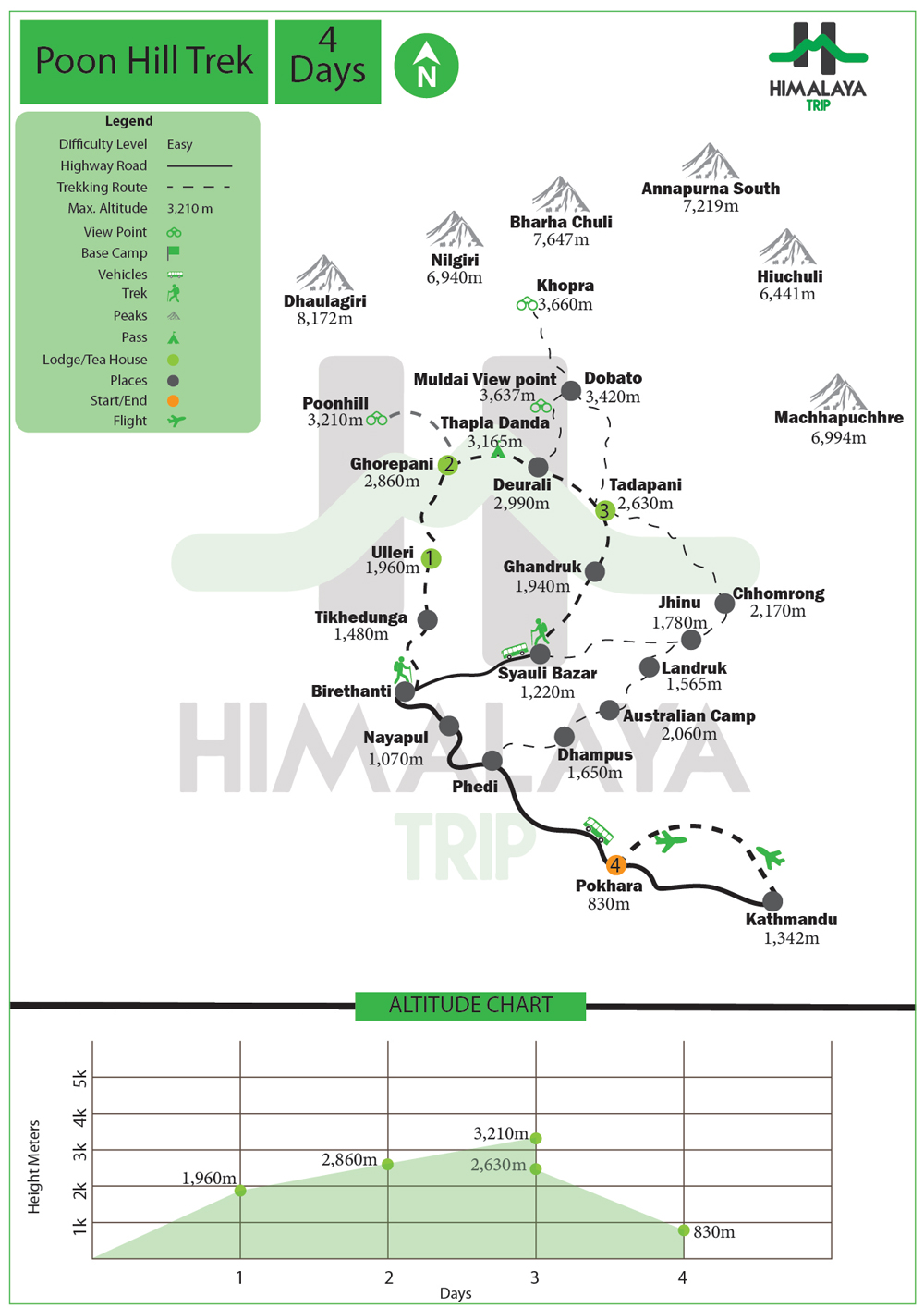
Our Ghorepani Poon Hill Trek map shows that our journey begins from either Kathmandu or Pokhara. Driving from the capital city to Pokhara takes 6 to 8 hours and covers 200 km. You can also opt to fly, which takes around 30 minutes. As per our map, our trailhead is Nayapul. We must take an hour’s drive from Pokhara to reach Nayapul. The driving distance is 42 km.
From Nayapul, the map shows that we will ascend to Ulleri. It is our first overnight stop. The trek distance from Nayapul to Ulleri is 11 km and takes 5 to 6 hours. The trail ascends from here. Our next stop is at Ghorepani. It takes us past notable villages like Bhanthati and Nangethanti. We will trek for 5 to 6 hours to get to Ghorepani, covering 8 km.
Next, our map shows that we will ascend to Poon Hill Viewpoint. It is a short hike, and we will descend to Ghorepani and then to Tadapani. The viewpoint is the highest point and the major highlight of the trek. We will cover a total of 11.2 km of trek distance on this day. It is also our longest trek, which takes 6 to 7 hours.
According to our Ghorepani Poon Hill Trek map, we will descend from Tadapani to Syauli Bazar via Ghandruk. It is our final trekking day that takes 5 to 6 hours and spans 12.5 km. From Syauli Bazar, we will drive to Pokhara. The driving distance between the two points is 52 km, and the trip takes 2 hours.
Whats Included?
Everything you need for a safe, comfortable, and memorable trek — packed into one transparent price. Below is a full breakdown of what is covered in your Poon Hill Trek package.
Accommodation & Meals
- All the meals : 3 Breakfast, 4 Lunch, 3 Dinner.
- Lodge: Ulleri , Ghorepani have private room with attached bathroom and Tadapani has common room. And Hot Shower is available all the places.
Transportation & Flights
- Pokhara – Nayapul private vehicle if you are more than 2 people.
- Syauli Bazar (Kly Danda) – Pokhara by private vehicle if you are more than 2 people.
Guide & Porter Services
- Trekking Guide: foods, accommodation, insurance, salary, transportation, and equipment, etc.
- Optional: Hike a porter between 2-3 trekkers.
Equipment & Safety
- First Aid Kit carried by the guide throughout.
- 24/7 emergency support line available during your entire trek.
Permits & Official Fees
- Annapurna Conservation Area Permit (ACAP).
- 13% Government VAT and official charge.
Complimentary Extras
- Local fresh fruit like Pomegranates and apple etc.
- Poon Hill Trek Map and Himalaya Trip T-shirt.
Whats not Included?
- International airfare.
- Nepal’s visa fees (15 Days US$30 and 30 Days US$50), you fill up a form depart of immigration before you leave and pay cash and get visa on your arrival in Kathmandu airport.
- Hotels/meals in Kathmandu (Kathmandu Guest House ) and Pokhara (Hotel Hidden Kingdom) .
- Kathmandu- Pokhara- Kathmandu by Tourist bus USD 12 / Private Car USD 110/ Flight USD 115.
- Your Trekking gear.
- Porter US$ 20 per day.
- All the drinks like Tea, Coffee, Coke, Fanta, mineral water, juice, beer, etc.
- Tips for Guide.
See the Best of Nepal with the Ghorepani Poon Hill Trek
This trek offers some of the best views in Nepal, from the iconic Poon Hill sunrise to the charming Ghandruk village. The Ghorepani Poon Hill Trek is an excellent choice for those who want to experience Nepal’s beauty without tackling a strenuous journey. It’s a perfect trek for beginners or anyone looking for a short but rewarding Himalayan experience.

Available dates & Prices
If you are two or more people, private trip is available any date, providing a fantastic opportunity. If you are solo travellers, our fixed group trips are thoughtfully scheduled and offer specific departure dates.
Group Discount Pricing
Price per person — the more you travel together, the less you pay
No. of Persons
Price per Person
-
1 PersonUSD 340
-
2 - 4 PaxSave 12% USD 299
-
5 - 9 PaxSave 19% USD 275
-
10+ Pax Best ValueSave 26% USD 250
Create Your Private Trip With
Your Own Itinerary and Dates
We are more than happy to design an itinerary tailored to your schedule and preferred route. Simply share your preferred travel dates, group size, and contact and travel details, and one of our travel experts will get in touch to help plan your journey.
Once your trip is confirmed, you’ll travel exclusively with your own group, enjoying a more personalized and flexible experience.
Gear and Clothing During Poon Hill Trek
Although the Poon Hill trek is somewhat easy to moderate level, trekkers still need to pack essential items of clothing, gear, or equipment depending on their preference or the season. However, compared to other high-altitude tough treks, the trekkers don’t need to take everything and can only pack essential things.
Note: Spikes or crampons are recommended if you are doing this trek in winter ( December – February). A rain poncho or rain jacket is recommended if you are doing this trek in summer (June—August).
Upper Body
- Trekking T-Shirts ×2
- Long-Sleeved Trekking Shirt ×1
- Fleece Jacket ×1
- Lightweight Down/Warm Jacket ×1 (Winter/Autumn)
- Rain Jacket ×1 (Monsoon)
Lower Body
- Trekking Trousers ×2
- Thermal Base Layer ×1 (Winter only)
Footwear
- Hiking Shoes ×1 Pair
- Trekking Socks ×2–3 Pairs
- Camp Sandals ×1 Pair (Optional)
Trekking Gear
- Backpack (30–40L) ×1
- Trekking Poles ×1 Pair (Optional)
- Sleeping Bag Liner ×1 (Recommended)
- Headlamp ×1
Hydration
- Water Bottle ×1
- Water Purification Tablets/Filter ×1 (Optional)
Electronics
- Phone ×1
- Camera ×1 (Optional)
- Power Bank ×1
Toiletries
- Toilet Paper
- Toothbrush
- Toothpaste
- Hand Sanitizer
- Quick-Dry Towel
Personal Safety
- Sunscreen
- Sunglasses
- Hat
- Gloves (Winter)
- Rain Poncho (Monsoon)
Documents & Money
- Passport
- Permit
- Cash
Optional
- Spikes/Crampons (Winter only)
- Book/Kindle
- Snacks
Common Questions About the Poon Hill Trek
General Information
It is best known for the sunrise view from Poon Hill (3,210 m), where trekkers can see the Annapurna and Dhaulagiri mountain ranges.
You can see Annapurna I, Annapurna South, Machhapuchhre (Fishtail), Dhaulagiri, Hiunchuli, Nilgiri, Tukuche Peak, Lamjung Himal, and several other peaks of the Annapurna range
The early morning hike provides the clearest mountain visibility before clouds start forming later in the day. You can see the Himalayan peaks change their color at dawn.
No, there are no tea houses or lodges on Poon Hill itself. You’ll stay overnight in Ghorepani, wake up before dawn, hike about 45–60 minutes to Poon Hill for sunrise, and then return to Ghorepani for breakfast.
Spring transforms a large area of the trail into forests filled with blooming rhododendron trees. Nepal has many rhododendron species, and the colorful blossoms between March and April make this trek one of the most popular spring hiking routes.
Yes, the trail passes the villages mainly inhabited by the Gurung and Magar communities. Trekkers can explore traditional mountain lifestyles, local architecture, farming practices, and cultural hospitality.
Permits & Entry Requirements
Yes, we can arrange all the required trekking permits before your trek begins. You only need to provide the necessary documents and information during the booking process, so everything is ready before entering the trail.
No, the permits are issued for a specific trekking itinerary and duration. If you leave the trekking area and plan another trek later, you will need new permits.
Yes, your existing Annapurna Conservation Area permit remains valid within the conservation area, but your itinerary and trekking arrangements should reflect the extended route. Himalaya Trip can help with the necessary logistics before your departure.
You should inform your guide immediately. Permit checks continue along the trail, and losing your permit may cause delays or additional verificati
No, checkpoints need the original printed permits issued by the authorized offices. Keeping digital photos on your phone is useful for backup, but they should not replace the original permit documents.
No, minor itinerary changes caused by weather or trail conditions do not need a new permit. However, if your trekking plans change, you should inform us for appropriate assistance.
Transportation & Logistics
The drive from Kathmandu to Pokhara takes 7–8 hours. If you prefer a faster option, you can take a domestic flight, which takes approximately 25–30 minutes.
No, we don’t arrange airport pick-up and drop-off for this package. However, we can arrange these transfers upon request for an additional cost. We can also organize transportation from Kathmandu to the trek’s starting point (trailhead).
The trek finishes at Syauli Bazaar before driving back to Pokhara. Some alternative itineraries may end at Nayapul, based on the chosen trekking route and overall travel plan.
Yes, we provide experienced trekking guides who assist with navigation, logistics, safety, local information, and communication throughout the journey.
Yes, you can hire a porter through Himalaya Trip. A porter carries your main trekking bag, so that you can walk comfortably with only a small daypack.
No, there is no fixed departure time. During the spring and autumn trekking seasons, hikers leave around 4:00 AM. The exact departure time depends on the season and the sunrise timing. Your guide will determine the best time to start the hike so you arrive at Poon Hill before sunrise.
Yes, hotels in Kathmandu and Pokhara provide secure luggage storage for items you do not need on the trek. You can travel with only your trekking bag and collect the stored luggage after completing your adventure.
Accommodation
Accommodation before and after the trek is not included in our packages. If you need a hotel in Kathmandu before or after your trek, we can arrange it for you on request.
Yes, tea houses provide blankets for guests. However, carry a warm sleeping bag during colder months, as temperatures can drop significantly at higher villages like Ghorepani.
No, some teahouses offer attached bathrooms, while others have shared facilities. Attached bathrooms are available in Ulleri and Ghorepani, while lodges in most other villages provide shared washrooms.
Yes, couples can request a double room. Himalaya Trip can mention your preference during booking, but room allocation depends on the tea house and seasonal availability.
No, bedrooms are not heated. Most tea houses have a heated dining hall where trekkers gather during the evening, while sleeping rooms rely on blankets and personal sleeping bags for warmth.
Some tea houses provide charging outlets in guest rooms, while others only offer charging in the dining area. A small charging fee may apply in villages located at higher elevations.
Yes, most tea houses on the Ghorepani Poon Hill route are family-owned. Staying in these lodges directly supports local communities.
Yes, if rooms are unavailable or unexpected circumstances arise, your guide can arrange accommodation at another nearby tea house.
Food & Drinking Water
Dal Bhat is the most recommended meal because it provides a balanced combination of rice, lentil soup, vegetables, and curry. It supplies long-lasting energy for trekking and is freshly prepared.
Yeah, mineral water bottles are available on this trek. If you use filter or iodine purification, it helps to reduce plastic waste in Annapurna Conservation Area.
Yes, tea houses have boiled or filtered water to refill reusable bottles. Carry your own bottle to reduce plastic waste and support environmentally responsible trekking practices.
Yes, tea houses serve breakfast before trekking begins, lunch at villages along the trail, and dinner after reaching the overnight destination. Meal times are planned around the daily trekking schedule.
Most food supplies are transported by porters, mules, or other local transport because road access is limited. The additional transportation effort increases operating costs.
Yes, tea houses can prepare meals with less spice if requested before cooking. Inform your guide or the lodge staff in advance so they can adjust the seasoning according to your preference.
Yes, based on the season, many villages serve locally grown vegetables and potatoes. Fresh product from farms is used in Dal Bhat, soups, curries, and other homemade meals.
Packing & Equipment
A daypack of about 20–30 liters is suitable for carrying water, snacks, a jacket, valuables, and personal items. If using a porter, your main trekking bag can be larger while you carry only daily essentials.
Yes, the weather in the mountains can change quickly. Carry a waterproof jacket or a rain poncho to stay dry during rain, even in spring and autumn.
Layered clothing works best. Wear sweat-wicking base layers, an insulating fleece or down jacket, and a waterproof outer layer. This adjusts you to changing temperatures throughout the day.
Yes, slippers or sandals are useful after reaching the tea house. They let your feet rest in the evening and are convenient for moving around the lodge without trekking boots.
No, casual clothing is sufficient for sightseeing, hotel stays, and travel before and after the trek. Formal clothing is unnecessary unless you have separate personal or business plans.
Seasons & Trail Conditions
Yes, the trek can be completed during the monsoon (June to August), but rainfall, slippery trails, leeches in forest sections, and limited mountain views are common.
Autumn provides the clearest visibility because post-monsoon skies are free from dust and haze. Spring also offers the best mountain views with blooming rhododendron forests.
Yes, snowfall is possible during winter from December through February. The amount of snow varies each year on weather conditions, but the trail is accessible with preparation.
Yes, stone staircases, forest paths, and moss-covered trails become slippery after rain. Wear trekking boots with good grip and use trekking poles to improve stability on wet trails.
As the day warms, rising air can create clouds around the mountains. This natural weather pattern reduces clarity during the afternoon, which is why early mornings provide the best views.
No, blooming depends on altitude and yearly weather patterns. Lower elevations flower earlier, while higher forests near Ghorepani reach peak bloom from late March to April.
Continuous walking generates body heat that makes temperatures feel more comfortable during the day. After stopping at tea houses in the evening, your body cools down quickly.
Leaving your Ghorepani teahouse 30 minutes earlier than standard groups helps you get a good spot at the observation tower. Alternatively, your guide can take you to scenic viewpoints near Deurali Pass or Muldai Viewpoint for a peaceful sunrise experience.
Health and Safety
No, the trek reaches a maximum altitude of 3,210 m at Poon Hill, so the risk of altitude sickness is much lower than on higher Himalayan treks.
Yes, the trail is nicely built and frequently used by trekkers from around the world. Joining the Himalaya Trip with an experienced guide adds extra safety, local knowledge, and support throughout the journey.
Basic health posts are available in some villages, but medical facilities are limited. For serious medical conditions, evacuation to a larger medical center or hospital may be necessary depending on the situation.
Yes, many trekkers find the continuous uphill and downhill stone steps more difficult than the altitude itself.
Leeches are present during the monsoon season in damp forest areas. They are not a concern during spring, autumn, or winter. Wear long socks and use insect repellent to reduce contact during the monsoon trek.
Yes, Ultraviolet (UV) radiation is stronger at higher elevations. Even on cool or cloudy days, wear sunglasses, sunscreen, and a hat to protect your skin and eyes from sun exposure.
Stop walking immediately and inform your guide. Rest the injured ankle, apply basic first aid, and avoid putting weight on it. Your guide will determine whether you can continue safely or need further medical assistance.
Stop right away instead of waiting. Take off your shoe, dry your foot, and cover the sore spot with a soft plaster or tape. Change into a clean, dry pair of socks, and loose your laces so the heel sits firmly.
Electricity & Money
Yes, mobile network coverage is available in the Ghorepani Poon Hill Trek, although signal strength varies by location. Nepal Telecom (NTC) and Ncell both provide coverage on parts of the route, but connections may be weaker in forested or remote areas.
Yes, many tea houses offer Wi-Fi for trekkers. A small additional fee may be charged, and connection quality varies by location and weather.
Yes, carry enough Nepalese Rupees before starting the trek. Tea houses, small shops, and local businesses on the route accept cash only, and ATM facilities are not available on the trekking trail.
No, tea houses and local shops do not accept credit or debit cards. Cash is the primary payment method for accommodation, meals, drinks, and other personal expenses.
Yes, cold temperatures can reduce battery performance. Keep your phone, camera batteries, and power bank inside your sleeping bag or close to your body overnight to preserve battery life.
No, while many villages are connected to the national electricity network, some tea houses also rely on solar power or backup systems.
Booking & Trip Planning
Booking at least 2-3 weeks before your planned departure is recommended. Early booking helps us to confirm accommodation, transportation, permits, and guide arrangements before your arrival in Nepal.
Yes, we can customize the itinerary based on your available time, fitness level, interests, and travel plans. Additional sightseeing days or extensions to other Annapurna region treks can also be arranged.
Yes, private treks are available for solo travelers, couples, families, and groups
Yes, families with children who enjoy walking and outdoor activities can complete this trek. The moderate altitude, comfortable tea houses, and shorter daily walking distances make it one of the most family-friendly trekking routes of Nepal.
Yes, solo travelers are welcome to join group departures if available. Joining a group reduces costs, provides companionship on the trail, and allows trekkers to share the experience with people from different countries.
Yes, it is worth spending an extra day in Pokhara to relax after the journey from Kathmandu, check trekking gear, and explore the beautiful lakeside city before starting the trek. Our standard itinerary does not include an extra day in Pokhara, but we can customize the itinerary if requested. Please let us know before confirming your booking so we can arrange your accommodation and guide accordingly.
Yes, trekking equipment such as sleeping bags, down jackets, trekking poles, and backpacks can be rented in Kathmandu or Pokhara.
Culture
The Annapurna Conservation Area is Nepal’s largest protected area. It is known for its biodiversity, forests, Himalayan topography, wildlife, and traditional mountain villages.
Yes, the conservation area is home to wildlife such as Rhesus macaques, gray langur monkeys, squirrels, barking deer (muntjac), Himalayan monals (Nepal’s national bird), and many other bird species.
Yes, photography is permitted throughout most of the trekking route. However, it is respectful to ask for permission before taking close-up photographs of local people, religious ceremonies, or inside monasteries.
Stone roofs have traditionally been used because local stone is easily available, durable, and provides good protection against mountain weather. Although some homes now use modern roofing materials, many villages still preserve their traditional architecture.
The community taps supply clean water collected from mountain springs. They provide drinking water for residents and trekkers while reducing the need for individual household water systems in mountain settlements.
Stone staircases stabilize mountain trails, reduce soil erosion, and improve safety during rainy conditions. They also need less maintenance than dirt paths.
Trip Reviews


Had the best 4 day trek,
Had the best 4 days Poon Hill trek, beautiful weather and views. My guide Umesh was amazing, patient but encouraging. Had fruit for the day for me and picked me berries along the path for me to try. Was very attentive on the evenings and we played card games together as well as having solo time. The company owner was very responsive and helpful and met me to discuss details and even booked buses from ktm to Pokhara for me. Would recommend as very reasonably priced and positive experience! Thank you both :)


The Poon Hill trek was excellent
The Poon Hill trek was excellent and the guide is patient and thoughtful. His warmed-hearted smile is one of beautiful view at our journey. Since attended this journey from your company we created many memorable memories. Hoping to have opportunity to revisit Nepal and attend another trekking trip in the future.


5 Days Ghorapani Poon Hill Trekking
I have booked the trip in last min and managed to have a private tour guide for 5 days Ghorepani Poon Hill Trek. The price was competitive and it is personalised to my time and preference.
As a beginner with no prior trek training, it was not possible to make it without the help of my tour guide - Surpa. He is caring and supportive along the 5 days trek.
I managed to view the beautiful Annapurna range from Poon Hill and it is definitely a once in a lifetime experience for me.
Thank you for all the arrangement and accommodations. Would definitely recommend Surpa and Himalayan Trip to all!!!


Highly Recommend! Professional and Reliable Trekking Company
As travelers from Taiwan, we were deeply impressed by the high level of service provided by this company.
Our guide's expertise made the challenging Poon Hill trek feel smooth and manageable. He was very attentive to our needs and pace. The porters were also amazing—efficient, kind, and always there to help. Their hard work made our journey much more comfortable.
Everything was well-organized, and the hospitality was top-notch. We are so glad we chose them for our Nepal adventure. Definitely a 5-star experience!

Amazing and unforgettable 4D3N Poon Hill Trek
I finished 4-day-3-night Poon Hill Trek with my aunt who is an experienced hiker. While I am the beginner, both of us received good guidance and company from our guide, Sandeep and porter, Mani. We were always companied by one of them, safety being ensured all the time.
The trek was overall not too challenging but could be tough for those without hiking experience hiking for consecutive four days. Over the 4 days, we stayed in 3 nice hotels with fabulous views. Though it was sometimes cloudy after rains, we still managed to see the snow mountains from our rooms. And when we reached Poon Hill, the view was breath-taking and absolutely worth it!


Good trekking company
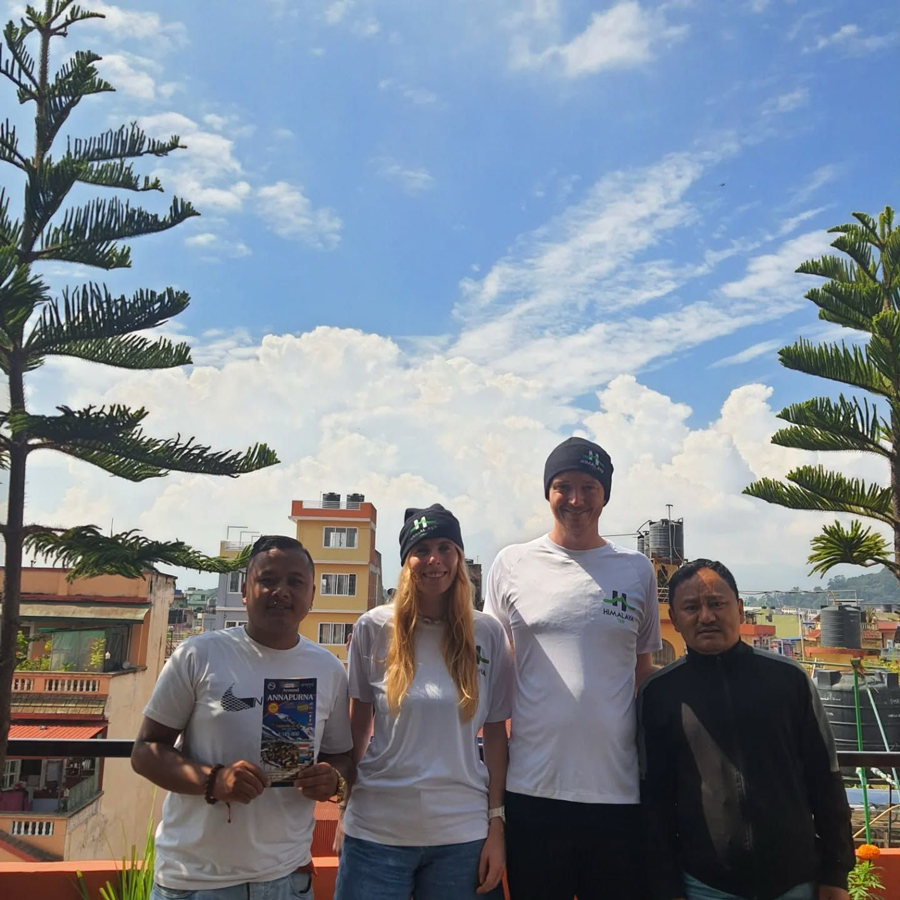
Good trekking company. Reliable, on time, respond quickly. We had an excellent time with our guide Milan and porter Bisal during Poon Hill and Mardi Himal Trek. Both were very friendly and helpful . We played many games together after each day of hiking.

4D3N Poon Hill Trek- Cherish for a lifetime
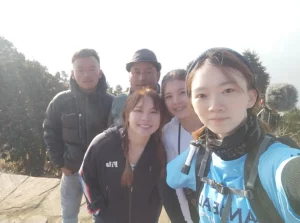
A big shout out to our guide Ramess and our porter Ram for taking care of us and
ensuring our safety and comfort throughout the 4D3N Poon Hill Trek. All kind words of
Ramess touched us and Ram earned our respect by carrying our backpacks and making us
feel comfortable. The scenery, the experience itself, and everything was amazing. An
unforgettable experience to cherish for a lifetime. Definitely will come back shortly for
an even more challenging route. Highly recommended. Thank you, team and Nepal.

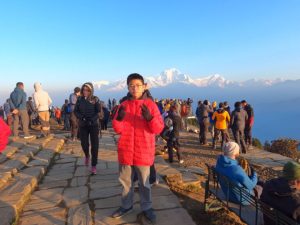
Professional. Friendly. Comfortable.
This is the second time using Himalaya Trip and Harka’s guys after our ABC Trek. This time we went to Poon Hill with my son and it was amazing. As usual, the team was professional, friendly, and comfortable. Recommended again and again.


Thank you again for organizing
Hello Harka!
Thank you again for organizing the Pokhara Ghorepani Poonhill Trek, it has been an amazing experience and Jay has been a great guide!
I’ll definitely recommend you and your team to any of my friends who might be interested in a trek in Nepal!


Amazing time but struggled Walking
Hello Harka, We had an amazing time but struggled a lot to walk uphill. Hari was very patient with us. Bless him. Overall a great experience. we will do another one with friends but will make sure we are more fit ?
Thank you


such an amazing experience
Thanks to you and your team for giving us the opportunity to have such an amazing experience! It was really the best!!
Andrea and I will be more than happy to share our experience and we will recommend your company to every friends that will come to visit Nepal
Once again, thanks for everything
Best, ciao ciao
Alice & Andrea

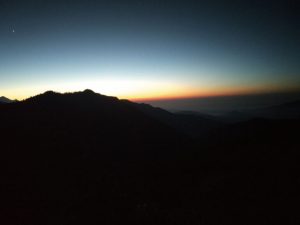
Trishuli rafting, Chitwan Jungle safari package and Ghorepani Poonhill Ghandruk Trek
We book three activities with Himalaya Trip and the experience was amazing. Harka, the team leader was very friendly. He takes care of us at every moment and we feel very confortable. The same happened with the guides we meet in each activity, they were very nice. I highly reccomend to do a trek in Nepal, we didn’t have lot of days, so we choose the Poon Hill Trek. It was very good, the wheather was so clear that the last day we saw the sunrise in Poon Hill, the view of the Annapurnas was fascinating. Through the route you visit many villages, but the last one, Ghandruk, was the best end point we could had. Hope one day we could repeat and do the Annapurna Circuit…
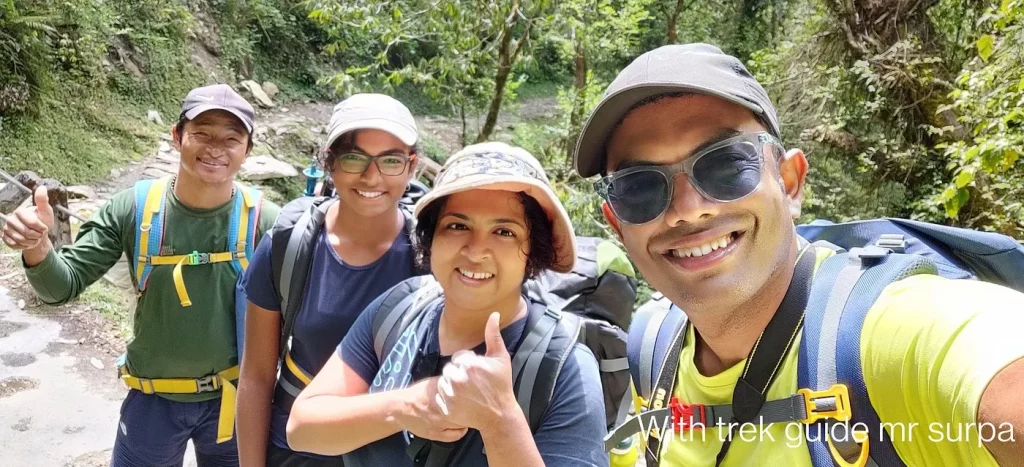
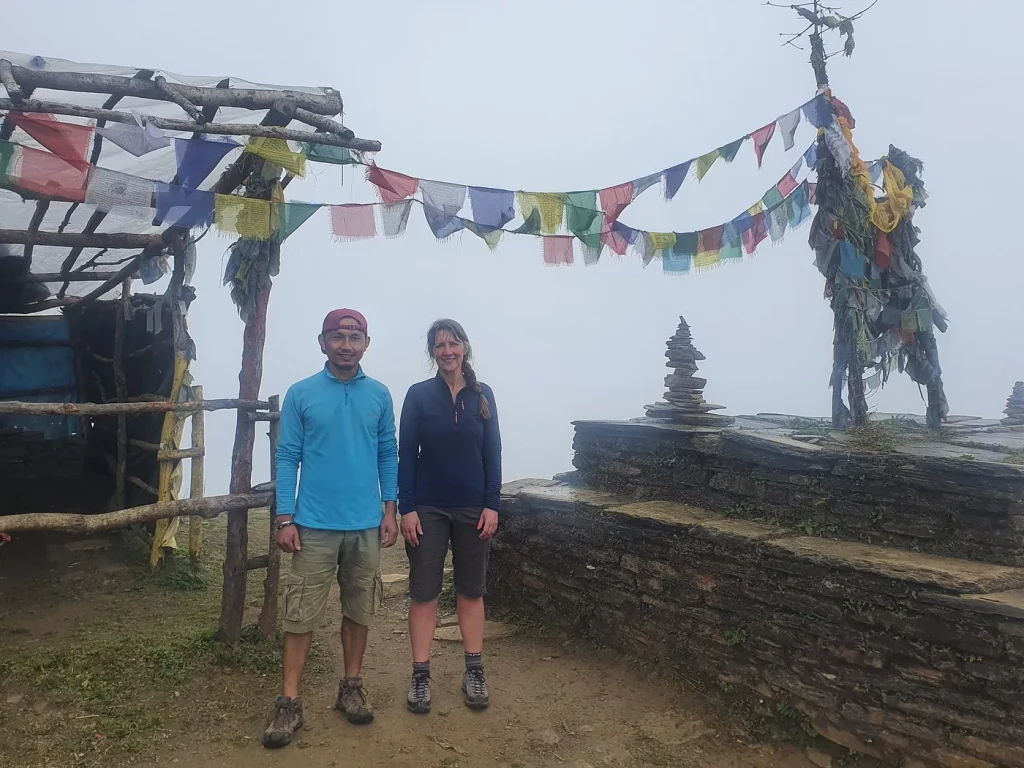
Most amazing Ghorepani Poon Hill Trek
I had the most amazing Ghorepani - Poon Hill trek with my family visiting from India
organized by Himalaya Trip . The experience
was many times better than anticipated. Harka had extensively briefed us on the
preparation needed in advance as well as the route, both over email and in person at the
hotel, which made us comfortable. Our guide Surpa was super fantastic and took care of
it all (literally every step of the way). I would go back and highly recommend it.
Pokhara to Ghorepani Poon Hill Trek
We received excellent communication, organization accommodation, and trekking
expertise. Had a wonderful experience as we were looked after excellently throughout
this phenomenal Pokhara to Ghorepani (Poon Hill) trek. Hope to revisit Nepal with their
help in the future. Thank you for the experience. I would highly recommend the
Himalaya Trip.

Perfect arrangement and super nice team (literally everyone)!
We went on a 4D3N trek to Poon Hill in a group of 3 from 28 December 2022 to 31
December 2022. Team Leader Harka communicated with us and in detail explained the
tour and the itinerary. For a briefing, we met our guide, Jay. It was easy for us as we met
before the trek.
Our guide Jay and our porter were super caring and helpful. Perfect arrangement of
accommodation and care and support at every step. We all were moved by Jay’s gesture
and impressed with his attention to detail and passion. Our porter had done much more
than what he was supposed to do and super grateful to him too.
The amazing stunning views and freshly cooked tasty foods with choice options made
our winter trek warmer. To sum up, we highly recommend this company for their perfect
arrangement thanks again for everything!
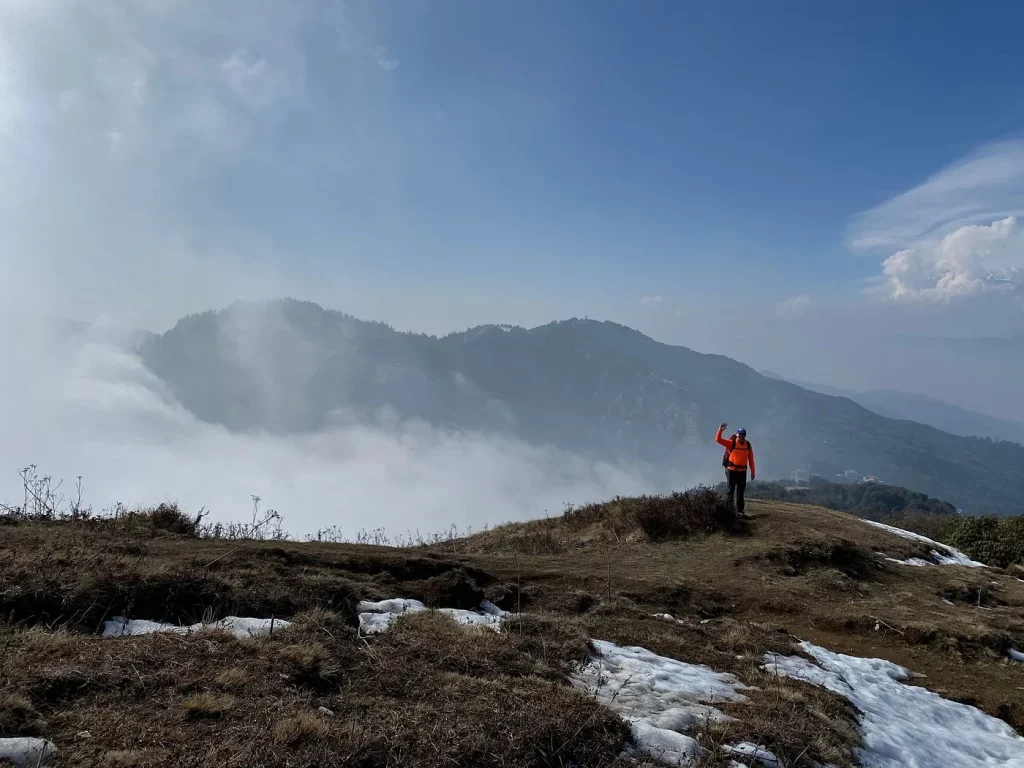
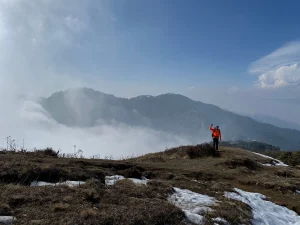
Poon Hill Trek Experience
Cannot recommend this company enough. They tweaked the itinerary for us and helped organize it as we were very tight on time. Had a wonderful time, I’ve got the bug for Nepal so will book with Himalaya Trip again!


Outstanding Poon Hill Trek!
Very impressed and delighted with the Himalaya Trip’s team interaction, especially with
Hari and Milin. The trip was carefully planned in detail throughout our Poon Hill Trek.
Had an incredible time during our Poon Hill Trek.
Amazing experience on the Poon Hill Trek
I could not recommend this group more highly! Trek Organizer Harka was exceptionally
responsive and helpful. To make us feel comfortable, Harka was willing to go the extra
mile and was always prepared. Not only him, but our guide and porter, Hari, and Milin,
were also amazing, friendly, informative, and very hospitable. If you're considering a trek
through Nepal, I highly suggest booking through Himalaya Trip!

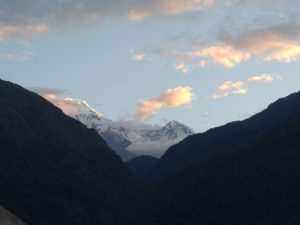
Poon Hill trek 4D3N
Very pleased with Harka and the team’s great service throughout our Poon Hill Trek 4D3N. All our arrangements from airport transfer, and hotel transfer, to the overall trip, and return flight were smooth. Harka was very responsive in our online communication via emails and WhatsApp. Harka made quick arrangements when our first flight to Pokhara was canceled due to bad weather. With our guide Om, a jeep arrangement to Ulleri was made to catch up with our itinerary schedule. So amazed with their alternative quick arrangements. Also, the accommodations provided are better than expected with private showers in our room.They are trustworthy, sincere, and responsible. I highly recommend the Himalaya trip.

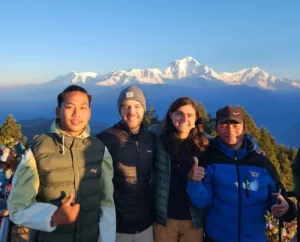
Fantastic time doing the Poon Hill Trek
Thank you, Harka for the wonderful arrangement of the trek. Our guide Surpa was very
attentive and Romesh was also a great porter. They took care of us and the trip was
smoothly carried following the itinerary. From food to accommodation to a private
bathroom and private shower in 2 of 3 places, we were well taken care of. 5 stars for a
well-organized Poon Hill Trek.
UK, Apr 11, 2023

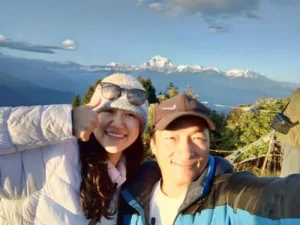
4 Days Poonhill Trek was fantastic
Hi Harka, My 4 Days Poonhill Trek was fantastic during the four days. I have had the most amazing time thanks to Surpa.
I have met many guides in different countries but none like him. He was very caring, professional, and overall helped me a lot in many ways. Thanks to him I will remember the trekking trip and Nepal in a very positive manner.
If I ever do come back to Nepal, which I hope I do in the near future, I would definitely like to make trip arrangements with you and have Surpa as my guide.
Thank you once again for arranging my trip, it was the highlight of the vacation. I’d also like to thank you for pairing Surpa to be my guide. He was indeed a very very great and sweet guide.
Take care and I hope to talk with you in the near future.
Korea, 2023
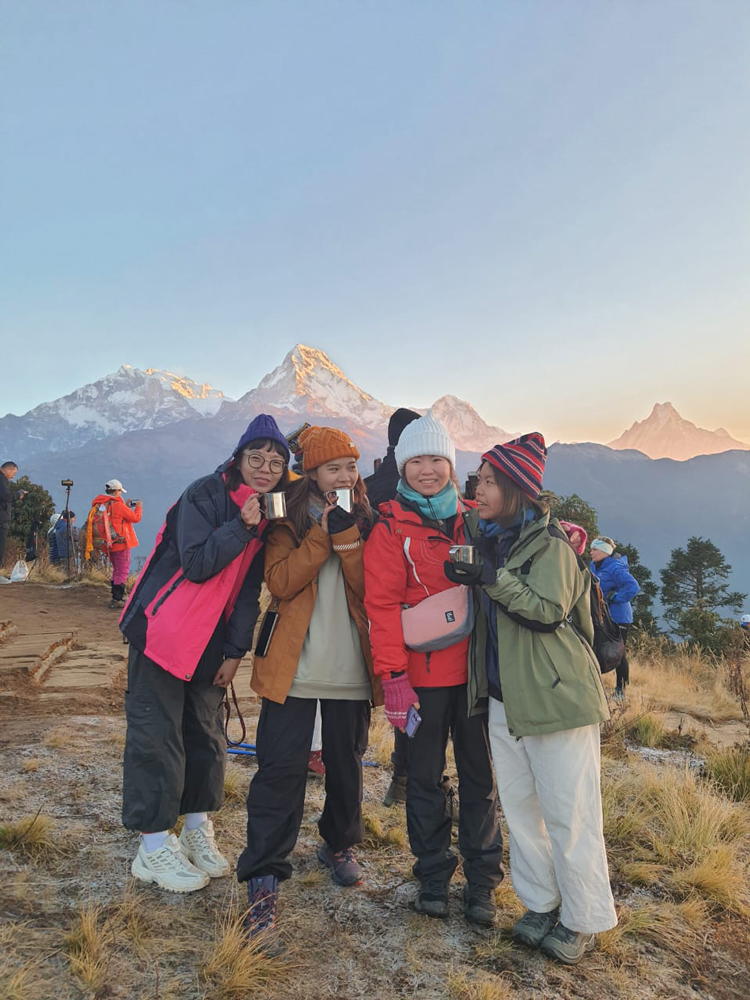
Group from Hongkong
Poon Hill Trek
Reviews from the globe

Hi! Im Sara, from Spain! Good morning! Yesterday we arrived from our 11-day trekking in Gokyo. There were 3 people from Spain, and I don’t know how to express how happy I felt. From the beginning, Himalaya Trip has been attentive to us, with a welcome at the hotel and...

Incredible!
Hi! Im Sara, from Spain!
Good morning!
Yesterday we arrived from our 11-day trekking in Gokyo.
There were 3 people from Spain, and I don’t know how to express how happy I felt.
From the beginning, Himalaya Trip has been attentive to us, with a welcome at the hotel and explanation of the route, rental of necessary equipment, etc.
The most important thing for us has been the ease and comfort with which Ramesh (our precious guide) has taken care of us at all time.
Attentive to the food, to make sure we didn’t get cold, adapting the route day by day according to the needs of the team.
I only have words of gratitude for Ramesh, who I would recommend for any trekking in the world.
In addition to being a great guide and knowing all the mountains of Nepal perfectly, he is a great person, with a big heart.
We hope to repeat in the not too distant future and hopefully it can be with him, since he is already part of our family.
Thank you for everything, from the bottom of my heart.
Thanks!!!!


Had an incredible experience doing the Mardi Himal trek with Himalaya Trip. Our guide Jay and our two porters Umesh and Masak were all simply incredible people. I’m a photographer so always have odd requests for weird areas to access for better angles or even simply just extending time in...
Couldn’t recommend enough
Had an incredible experience doing the Mardi Himal trek with Himalaya Trip. Our guide Jay and our two porters Umesh and Masak were all simply incredible people.
I’m a photographer so always have odd requests for weird areas to access for better angles or even simply just extending time in certain areas and all requests were met with so much help from the team. Highly recommend

I had an amazing time trekking with Surpa, particularly as this was my first solo trek. Beautiful views doing the Mardi Himal trek over 4 days, Surpa was a great guide who organised everything so well for me, kept me well fed, supported a good pace the whole way and...
Mardi Himal: fantastic trek & wonderful guide
I had an amazing time trekking with Surpa, particularly as this was my first solo trek. Beautiful views doing the Mardi Himal trek over 4 days, Surpa was a great guide who organised everything so well for me, kept me well fed, supported a good pace the whole way and always cheerful. Would recommend, and I would happily have him as my guide again in the future. The organisation and booking with Himalaya Trip was great, really responsive on emails and Harka was so helpful in organising everything and meeting me in Kathmandu for a briefing before the trip. Thanks so much!
Our 4 day Mardi Himal Trek with guide Milan and porter Plekta was a wonderful experience. The manager Harka Gurung met with us over coffee in Kathmandu and briefed us about expectations as this was our first trek. After that our guide met us at our hotel in Pokhara, helped...
Once in a lifetime experience in the Himalayas
Our 4 day Mardi Himal Trek with guide Milan and porter Plekta was a wonderful experience. The manager Harka Gurung met with us over coffee in Kathmandu and briefed us about expectations as this was our first trek. After that our guide met us at our hotel in Pokhara, helped us rent equipment, and handled all logistics in between. Our first time in the Himalayas was unforgettable between all the unbelievable landscapes and scenery, and we were lucky to have MIlan and Plekta with us to experience it all. I can’t begin to describe how ethereal sunrise is over the base camp, but hopefully you’ll be able to experience it soon!
What Makes the Trail to Ghorepani Poon Hill Unforgettable?
Poon Hill trekking takes you through dense jungles filled with rhododendrons, birch, juniper, fir, and bamboo. Your trail mostly runs through these lush forests. As you climb above Ghorepani, you will see the pine trees of the tropical highlands. Some of the popular landmarks that are visible during the Poon Hill Trek route are Ghandruk, Ghorepani, Tadapani, etc, along with the views of the stunning mountain ranges like Annapurna, Dhaulagiri, Fishtail, etc.
The route towards Poon Hill begins from Nayapul, following footpaths through rural villages. From there, you will reach Ulleri, where you will reach Ghorepani. After Ghorepani, we first climb towards Poon Hill and then descend to Ghandruk via Tadapani village.
The route to Poon Hill is Nayapul – Birethanti – Hile – Ulleri – Ghorepani – Poon Hill – Tadapani – Ghandruk – Syauli Bazaar (Kly Danda ). The initial part of the trek includes steep stone staircases. You will pass through small villages of Magar and Gurung people. The plants change from subtropical to tropical as you climb. While some steep sections are during the trek, it is suitable for beginners with short daily walking times.
Is the Ghorepani Poon Hill Trek Suitable for Beginners?
Yes, beginners can trek the Ghorepani Poon Hill Trek. In fact, it is one of the most suitable short treks for beginners. Its difficulty ranges from easy to moderate based on the experience required and overall difficulty factors that the trekkers might face during their excursion. The Poon Hill trek’s average duration is about 3-4 days, ideal for first-timers.
The highest point reached is Poon Hill, offering spectacular panoramic views of the Annapurna and Dhaulagiri mountain ranges. While some sections can be challenging, especially for those unaccustomed to high altitudes, the well-maintained trails and availability of teahouses along the way make it a manageable trek for most beginners. They can overcome the challenges while enjoying the stunning views of the valleys, skies, and mountains.
Despite being an easy-to-moderate level trek, beginners especially need to prepare and plan for the trek. First, they must be physically fit and tune their body to handle the steep ascents and descents. Furthermore, beginners should hire guides and porters to make their trek safer.
Poon Hill Trek Pricing Based on Group Size
| No of PAX | Price / PP |
|---|---|
| More than 10 | 250 |
| 5-9 | 275 |
| 2-4 | 299 |
| 1 person | 340 |
As the table indicates, the Poon Hill trek cost is varied according to the number of trekkers in one group. For example, it will cost about $340m per person; however, if the trekking group increases to 2 to 4, the cost decreases to $299 per person. If the group is more than 10 people, the cost per person decreases to $250.
Viewpoints, Villages, and Rhododendron Trails of Poon Hill
Golden sunrise from Poon Hill Viewpoint
Stationed on a ridge above Ghorepani, Poon Hill is an iconic viewpoint. It offers magnificent views of the gigantic Annapurna and Dhaulagiri ranges and surrounding mountains. Trekkers hike to the viewpoint early in the morning to witness one of the most magical sunrises against the backdrop of snow-capped mountains. Rugged ridges, snow, and a capped summit create a stunning contrast against the morning sky. It’s a mesmerizing watch as the color imprinted on the mountains shifts from soft hues of pink to orange. As the day unfolds, the color changes to shades of gold and white. Additionally, the morning air is crisp and invigorating.
Ghorepani in the Annapurna foothills
Ghorepani village is the highest point during the Poon Hill trek. “Ghore Pani” translates to “horse water” in Nepali. Long before, this village used to be a rest stop for traders and travelers to quench the thirst of their horses and mules on the way to Tibet. Today, the village offers a tranquil ambiance amidst dense rhododendron forest for travelers. During the spring months (March to May), Ghorepani is vibrant and vivid, with an explosion of Rhododendron colors. As a result, the village has earned the nickname of the “Rhododendron Capital” of the Annapurna region. You will gaze at the red, white, and pink flower canvas. The village is the final ascent point on the Ghorepani Poon Hill Trek. We will take an early-morning hike to the Poon Hill Viewpoint from here.
Living Gurung culture at Ghandruk Village
The massive peaks of the Annapurna Mountains surround the village of Ghandruk. It is the largest Gurung village in the Annapurna region, portraying the artistic aura of centuries ago. The main entrance of the village is filled with stone houses adorned with colorful Buddhist prayer flags. Inhabited mostly by Gurung people, this village is also the starting point for the Annapurna Base Camp Trek. It stands at an elevation of 1939 meters and is the most densely populated village on the Poon Hill trek. Ghandruk is the best place to witness and immerse in the Gurung culture and customs.
Trekking through Rhododendron-filled trails
Rhododendron is the national flower of Nepal and is highly regarded not only for its captivating beauty but also for its medicinal benefits. The Annapurna Conservation Area Project (ACAP) is home to the world’s largest rhododendron forests. The trail to Poon Hill and Ghorepani is filled with the colorful hues of blooming rhododendron flowers in spring. It changes into an alluring canvas of red, pink, white, and purple blossoms, creating a surreal and fairy-tale-like setting. In other seasons, the tree looks lush and vibrant, offering a beautiful atmosphere.
Exploring the Gurung Museum in Ghandruk
Many walkers pass through Ghandruk, a large village that is home to the Gurung people.Its stone houses, topped with slate roofs, are all over the village path, with a small museum situated near the top. Inside, you will find traditional clothes, musical instruments, tools and photographs that show how families lived in the past.
The Gurung people are known for herding, farming and, for many generations, serving in foreign armies. The museum shows daily life in a simple, friendly way. You can see the woollen clothes shepherds once wore, brass pots from family kitchens, and drums used in festivals. A guide or a local caretaker can explain what each object was for. A small donation at the door helps the village keep the collection alive. It is an easy way to meet the culture of the region, not only the scenery.
Trek Duration and Pricing Option for 2026
The average trek duration of the Ghorepani Poon Hill trek ranges from 2 to 5 days. Depending on the trek’s duration, the trek cost also changes. It means shorter trek itineraries cost less than longer trek itineraries. Here are the prices for the Ghorepani Poon Hill Trek in 2026 based on the duration:
- The 2-day Poon hill trek is US$229 per person: Your trek starts in Ulleri and reaches Ghorepani the same day. The Next morning, you climb to Poonhill for sunrise, the Himalayas view, and then the same way back to Ulleri. From Ulleri, drive back to Pokhara.
- 3-day Poon hill treks US$259 Per person: Your trek starts from Syauli Bazar via Nayapul, then continues to Tadapani, Ghorepani, Poon Hill, and returns the same way to Hile. From Hile, you will drive back to Pokhara.
- The 4-day Poon hill trek is US$299 Per person: You start the trek from Nayapul, then head to Ulleri, Ghorepani, and Poon Hill. Then, you will take another route back to Nayapul via Tadapani and Ghandruk.
- 5 Days Poon hill trek US$349 Per person: You start the trek from Nayapul, then head to Ulleri, Ghorepani, and a morning hike to Poon Hill. For the descent, you will take the route through Tadapani, Jhinu Hot Spring, and Syomrong, then return to Pokhara.
Transportation Options for the Ghorepani Poon Hill Trek
To access the Ghorepani Poon Hill Trekking trail, you must first travel from Kathmandu to Phara and then get to the starting point, Nayapul.
You can choose either a road or an air route to travel from Kathmandu, the capital city, to Pokhara. The roadway is the most common means of transportation. It takes 6 to 9 hours of travel time, but the price is more budget-friendly. There are various roadway options for traveling. Travel time may vary slightly by mode of transportation. Meanwhile, taking a flight is more comfortable and convenient. It takes 25 to 35 minutes to fly between the two cities. However, more comfort comes at a higher price.
Upon reaching Pokhara, you will need to travel to Nayapul. Depending on your Ghorepani Poon Hill Trek itinerary, the starting point may vary slightly. Our trek starts from Nayapul, which takes 1 to 1.5 hours to reach by road from Pokhara. There are no airways connecting the point. There are various transportation options available to get there.
Here are the various transportation options and the cost for traveling during the Ghorepani Poon Hill Trek:
| Route | Options | Duration | Cost | Notes |
| Kathmandu to Pokhara | Local bus/ microbus | 7-9 hours | USD 8 to 10 per person | Cheapest option, but less comfortable, slow, and crowded. |
| Tourist bus | 6-8 hours | USD 10 to 25 per person | Slightly pricer, but comfortable and faster. | |
| Private car/ jeep | 6-7 hours | USD 110 to 150 per trip | Pricer, but a convenient and flexible option for groups. | |
| Flight | 25-30 minutes | USD 100 per person | Fastest travel option with a unique aerial view, but expensive. | |
| Pokhara to Nayapul | Local bus | 1.5-2 hours | USD 2 to 3 per person | Cheap, but slow and crowded. |
| Taxi | 1-1.5 hours | USD 20 to 30 per person | Faster and convenient for a group of 2 to 3 trekkers. | |
| Shared jeep | 1-1.5 hours | USD 5 to 10 per person | Faster and comfortable than taking a local bus. | |
| Private jeep | 1-1.5 hours | USD 50 to 70 per person | Fastest and most comfortable option for a group of 5-7. |
Can we see Sunrise from Poon Hill?
Yes, we can see the sunrise from Poon Hill. In fact, the sunrise and sunset from the Poon Hill trek are among the best attractions of the Poon Hill trek. First, this popular hill is at an elevation of 3,210 meters, which is why it is the perfect vantage point for the panoramic views of the mountains and the stunning sunrise and sunset.
However, to see the amazing sunrise, trekkers must time their trek accordingly. They must arrive at Poon Hill before dawn, which is why the time between 5 AM and 5:30 AM is often important, and the trails to the hill are often crowded. The trekkers often arrive a day before and stay overnight at the hotel in Ghorepani. They wake up early morning and hike to the Poon Hill Viewpoint, so they don’t miss the sunrise.
Another excellent viewpoint along the Ghorepani Poon Hill route is Thapla Danda (3,165 m). It offers a spectacular sunrise with panoramic views of the Dhaulagiri and Annapurna ranges. If you want to avoid the crowds at Poon Hill Viewpoint, Thapla Danda offers a perfect alternative. It is at a similar height, but without any crowd. There are very few trekkers early in the morning, so the atmosphere is peaceful. You will wake up early, at the same time as Poon Hill. But you will carry all your belongings. After the view from Thapla Danda, your trek continues to Deurali. You will have breakfast at Deurali and continue to Tadapani.
Starting and Ending Points During the Trek
As a general practice, the Poon Hill trek starts in Nayapul. It is a small village located on the highway, 40 kilometers northwest of Pokhara. Trekkers drive from Pokhara to Nayapul and begin their Poon Hill trek there. However, the recent road connection has extended from Nayapul to Ulleri. It is accessible via a Jeep or a 4-wheel drive vehicle.
It is possible to start the trek from Hile, Tikhedhunga, or even Ulleri. Many trekkers still prefer the classic route and start in Nayapul. From Nayapul, trekkers will pass through landscapes that include jungles, peaks, valleys, and riverbanks. The trekkers will pass through villages such as Ulleri, Nangethanti, Deurali, and Ghorepani before hiking to Poon Hill.
Depending on the itinerary, the ending points of the trek can also vary. You can end the trek at Ghandruk and take a jeep ride to Pokhara. Similarly, you can also choose Kimche, Syauli Bazaar, or Nayapul as the ending stop for the Ghorepani Poon Hill Trek. Our 4 Days Ghorepani Poon Hill Trek ends at Syauli Bazaar, and you will hop on a jeep to Pokhara. Note that, depending on the start and end points, the trekking days may be shortened or extended.
Why Is It Called “Poon Hill” (and “Ghorepani”)?
Poon Hill gets its name from the Poon people, an indigenous community that has called these hills home for generations. The Poons belong to the larger Magar group, one of the biggest indigenous communities living in the Nepal. Many Magar men from villages like Ghorepani , Ghandruk, and members of the Poon clan, went on to join the famous Gurkha regiments of the British and Indian armies, earning a reputation around the world for their courage and strength.
Ghorepani, on the other hand, tells a much older story about trade rather than a family name. In Nepali, the word breaks down into ghore, which means horse, and pani, which means water. Long before trekkers arrived, traders led caravans of horses, mules and yaks through the Kali Gandaki gorge carrying salt, grain and cloth between India and Tibet. Tired traders would stop here to let their animals rest and drink before continuing their climb, and over time people simply started calling the place Horse Water.
Why the Ghorepani Poon Hill Trek Is Ideal Preparation for Longer Treks
If you are eyeing something like Everest Base Camp or the full Annapurna Circuit down the road, spending a few days on the Ghorepani Poon Hill trek first is one of the smartest moves you can make. It gives your legs a good workout with steep climbs without taking you to very high altitudes where the air is thin. Take the famous Ulleri staircase, a climb of over three thousand stone steps that will leave your legs burning in the best way possible.
Besides improving your fitness, this trek also test everything you carry in your backpack. You get the chance to break in your hiking boots and catch blister problems early rather than discovering them on a longer trek far from help. You can also test how your clothes hold up when the temperature drops at night and figure out how much weight actually feels comfortable in your daypack after a full day of walking.
Communication Services for Poon Hill Trek
Unlike 4-5 years ago, the Poon Hill trekking trail has a strong network of communication now. There is a good range of cellular and data services in the area. The trekking trail has 4G coverage, so you can stay connected with your loved ones. That said, because the geography is remote and difficult to access, the network is disrupted most of the time.
Communication may not be as smooth as at lower altitudes, so people often carry satellite phones. However, compared with other high-altitude treks, communication remains decent even at the peak of Poon Hill, so you can talk to your loved ones without complications.
A Beginner’s Guide to Challenges and Preparation
The trek to Ghorepani-Poon Hill is a leisurely adventure suitable for beginners. It takes 4 to 6 days, including the descent, making it ideal for novice trekkers. Although the initial part of the trail is steep and may leave you breathless, your body will adapt as you gain altitude, making the ascent more manageable. The Poon Hill trek is highly recommended for novice and beginner trekkers.
This trek can serve as a stepping stone for those looking to participate in high-altitude traverses, such as the Manaslu Trek, the Annapurna Circuit Trek, and the Everest Three High Passes Trek. Although this trek is easy to moderate, certain challenges may still affect beginners on their first excursion. These challenges are:
- Altitude – Altitude can be one factor that increases the difficulty level, especially for beginners. The trekkers will reach an elevation of 3210m. Due to the high altitude, beginners will face specific difficulties, including unpredictable weather, freezing temperatures, and, most importantly, the risk of altitude sickness. Beginners are not as well-trained in acclimatization to minimize altitude sickness. Hence, Ghorepani Poon Hill is an ideal trek for beginners to learn steady pacing.
- Terrain – The Poon Hill trek does not traverse rugged terrains like the ABC Trek or the Circuit Trek. However, the trekkers still need to cross some tough landscapes and climb steep ascents, which can be tough if their stamina is not at to standard.
- Remoteness – The Poon Hill Trek initially passes through established towns. Still, after a while, you will reach remote villages like Ulleri, Deurali, Ghorepani, etc., which are underdeveloped compared to cities and towns. Hence, trekkers will not find the infrastructure or services they are often accustomed to.
- Meal Options – The Poon Hill Trek is quite popular among trekkers who love to explore the culture, rituals, and traditions of the people in the Annapurna region. The cultural immersion also includes food options, which, at high altitudes, are limited to local Nepali dishes such as Dal Bhat, Dhido, and Ghundruk. Some foreign trekkers may prefer Western cuisine over Nepali food, which is relatively scarce in these situations. So, they can learn to adapt to the meal options of the Himalayas.
You can Check: Poon Hill Trek A Complete Guide
Season and Weather Guide for Ghorepani Poon Hill
Spring, autumn and winter are all good times for the Ghorepani Poon Hill trek, while summer is not recommended.
- Spring (March to May) is the most favorable season. The weather is stable and the skies and mountains are clear. March and April are the best months to see the rhododendron forests and wildflowers in bloom.
- Autumn ( to November) is the other peak season, with clear mountain views and lush greenery. Temperatures range from about 0°C to 25°C. The national festivals of Dashain and Tihar fall in this period, which gives you a chance to experience local culture. Temperatures start to drop in late November.
- Winter (December to February) is an off-season for most treks, but Poon Hill is an exception because the trail only reaches 3,210 m. It is cold but still good for walking, and the snowy geography and mountain views are beautiful. Pack warm clothing and a sleeping bag.
- Summer (June to August) falls in the monsoon. Heavy rain makes the trail slippery, blocks Himalayan views, and raises the risk of landslides and mudslides. The trek is possible with rain gear and good preparation, but it is not recommended.
What to Expect for Meals and Accommodation
Foods
The inclusive package of a trek to Poon Hill includes three meals: breakfast, lunch, and dinner. Breakfast is the most important meal of the day, and it begins before the initial stretch of the trek. The breakfast menus include soups, oatmeal, roti, chapati, pancakes, toast with jam, scrambled eggs, and fried eggs.
Meals during the Poon Hill trek offer a wide variety of cuisines. Let’s take a closer look at the food menus that trekkers can get during their trek.
- Breakfast: Simple Breakfast (Eggs, any item with hashbrown potato, toast, Gurung or Tibetan Bread, Pancake, Muesli, Oat Porridge, etc.)
- Lunch and Dinner : Nepali Thali (Plain Rice, Lentil Soup, Potato Curry, Green Vegetables, Papadam, Tomato Hot and Spicy, Chicken Curry optional), Macaroni, Spaghetti, Potato Item, Mo.Mo or dumplings, Pizza, fried rice, Fried Noodles, French fries, etc.
- Dessert: Fresh fruit (apple, orange, pomegranate, banana, and any seasonal fruit) served as a sweet dessert.
Note: If you have any dietary restrictions, please inform us at the time of booking.
Accommodation
Teahouses, lodges, and guesthouses are the most standard accommodations available along the Ghorepani Poon Hill Trek. The Annapurna region is home to the traditional hill communities of Gurungs and Magars. They run the accommodations along the route, offering shelter and meals to trekkers. The Ghorepani Poon Hill trek is a teahouse trek, which means you will stay in various teahouses as you travel from one place to another. Along the trek, we will stay overnight in popular stops like Ulleri, Ghorepani, and Tadapani.
Teahouses are similar to mountain lodges in the European Alps. These small wooden structure houses provide basic lodging facilities for trekkers. A typical teahouse will have twin beds with a foamed mattress. You will be provided with a pillow and a quilt. These houses are usually kept warm with a Bukhara stove built in the dining room of the lodge. Hot water shower and Wi-Fi facilities are available for an extra charge. During your stay in these small but cozy teahouses, you can get a glimpse at the local culture. Similarly, you will experience the warm hospitality of Nepal, enriching your Poon Hill Trek.
Preparing for the Poon Hill Trek – Fitness & Permits
Although the Poon Hill trek is not as tough as other trekking destinations, it still needs some preparation. The trekkers must be fully fit, have issued relevant permits, and pack all the necessary items; however, keep their luggage as light as possible if they want to enjoy the trek.
Raising fitness
First of all, being physically fit for a modest-height trek like the Poon Hill trek is essential, mostly for beginners. The trek has many ups and downs, which can take a toll on the body. The trekkers must be able to trek for two to three days and every day for about five to six hours. First and foremost, trekkers must try to increase their core strength and the strength of their legs. Increase the physical stamina and endurance level before booking the trek. You can indulge in the exercises like swimming, jogging, running, etc. The trekkers can also practice short hiking by carrying backpacks and luggage to test their stamina level.
Issuing Permits for Poon Hill Trek
The Poon Hill Trek trail passes through the Annapurna Conservation Area, so trekkers must obtain the Annapurna Conservation Area Project (ACAP) permit. A mandatory permit is required for trekkers in the Annapurna region, including the Annapurna Base Camp Trek and the Annapurna Circuit Trek, in 2026. The permit is issued by the Nepal Tourism Board in Kathmandu or the TAAN office in Pokhara. The ACAP costs for 2026 are as follows:
- For foreigners: NPR 3000 (Approx. USD 23) per person
- For SAARC Nationals: NPR 1000 (Approx. USD 10) per person
Note: Himalaya Trip’s Ghorepani Poon Hill Trek package includes ACAP. You must provide us with a copy of your valid passport and two passport-sized photographs for the permit.
Exploring Alternative Treks to Ghorepani Poon Hill for 2026
There are a few alternative routes for the Ghorepani Poon Hill that will give trekkers a similar experience to that of the Poon Hill Trek. These treks are also low altitudes and have less duration, which is not difficult compared to other major challenging treks in Nepal. So let’s get into them.
Hidden trail of Annapurna, Khopra Danda Trek
The Khopra Danda trek is an underrated and peaceful trekking spot in the Annapurna region. Often the trekkers are only aware of this trek if they visit or experience it for the first time. This trek takes about 7 to 8 days but can be curated according to your needs. You will arrive at Khopra Danda, which has amazing views of the mountains like Annapurna, Dhaulagiri, and Fishtail.
Explore the sacred route with Jomsom Muktinath Trek
Jomsom Muktinath Trek is another amazing alternative to the Poon Hill Trek. In this trek, the trekkers will pass through different places of the Annapurna region, like Pokhara, Fewa Lake, Jomsom, and Kagbeni, which leads to the beautiful sacred place of Muktinath. Muktinath is important for the Annapurna region as a major attraction, but it is also equally important for the Hindus and Buddhists.
Experience Gurung Heritage with Ghandruk Trek
Just like the Poon Hill trek, there is other short and sweet destinations that the trekkers in Ghandruk Trek. This trek begins in Nayapul, similar to the Poon Hill trek, but instead of going to Ghorepani, it leads you to the lovely village of Ghandruk. Ghandruk is famous for its traditional Gurung culture, terraced fields, and beautiful mountain views. You can spend a day exploring Ghandruk before climbing up to Poon Hill through Tadapani and returning to Nayapul.
Comparing the Ghorepani Poon Hill Trek and Mardi Himal Trek
Ghorepani Poon Hill trek is among the highly popular trek in the Annapurna region. However, another trek is also in the same area, the Mardi Himal Trek. Both treks are short-duration and low-altitude, ideal for beginners and trekkers who prefer less challenging treks. So let’s compare the Poon Hill trek with the Mardi Himal Trek.
| Characteristics | Ghorepani Poon Hill Trek | Mardi Himal Trek |
| Duration | 2 to 5 days | 3 to 5 days |
| Maximum elevation | 3,210 meters at Poon Hill Viewpoint | 4,500 meters at Mardi Himal Base Camp |
| Difficulty | Easy | Moderate |
| Trail type | Well-marked trail, stone steps, and village paths. | Off-the-beaten-path forest trail and ridge trails. |
| Starting point | Nayapul | Kande or Dhampus |
| Accommodation | Well-established teahouses | Few and basic teahouses |
| Scenery | Panoramic sunrise views over the Annapurna and Dhaulagiri ranges. | Close-up mountain views of Mardi Himal, Machhapuchhre, Annapurna I, Annapurna South, and more. |
| Popularity | Very popular and crowded during peak season. | Lesser-known and less crowded. |
| Best for | Suitable for beginners, families, and trekkers with limited time. | Suitable for both beginners and experienced trekkers seeking a quieter trekking experience. |
What to Expect on the Ghorepani Poon Hill Trek in 2026
The Ghorepani Poon Hill Trek is a popular short trek in Nepal. Thus, expect an exciting adventure and rich cultural immersion in just a time span of 4 days. It is an easily accessible trek that is ideal for beginners and travelers with limited time to spare. Despite the short journey, you will get an opportunity to witness the beautiful mountain panoramas and get a taste of trekking in the Himalayas. There is no need to take a long and physically demanding high-altitude trek to experience this.
During the trek, you can get spectacular views of the Annapurna and Dhaulagiri massifs. Throughout the journey, the mountain vistas will follow you. The views are especially spectacular from Poon Hill, the highest point on the trek. You will also get to enjoy a stunning sunrise from here. The trek passes through various landscapes, from lush forests to alpine meadows. Although the duration is short, expect to experience trekking in the diverse landscapes of the Annapurna region.
Similarly, during the 4-day Ghorepani Poon Hill Trek in 2026, expect to immerse yourself in the rich culture and hospitality of the local people. You will meet with locals who live and celebrate their culture. The people of Nepal are very warm and friendly. They will welcome you with smiles and great hospitality. The relatively easy trek combines the rewarding scenery and cultural experience. So, expect the Ghorepani Poon Hill Trek 2026 to be an unforgettable Himalayan adventure.
Benefits of booking Ghorepani poon Hill Trek Himalaya Trip
Many local trek agencies boast of providing the best services and itinerary for Ghorepani. So, why choose Himalaya Trip in 2026? Here’s why:
- Success rate is 99%.
- Himalaya Trip offers round-the-clock customer support, so you can contact them with any questions or concerns at any time, day or night. Whether you have a last-minute query, need to change your itinerary, or encounter an unexpected situation during your trek, our team is always available to assist you.
- We have a team of experienced guides with over 20 years of know-how. They are well-experienced and knowledgeable about the trails and the region. Similarly, they are also trained to provide first aid and ensure the trekker’s safety at all times.
- We know that every traveler has their own preference and requirements. Thus, you can customize your itinerary as per your needs with Himalaya Trip. If you book with our company, you can tailor your trekking package to your interests, pace, modes of transportation, and fitness level.
- Himalaya Trip provides various discounts based on the number of trekkers, festivals, and seasons. Booking as a group comes with amazing deals and offers. Thus, be sure to explore all the areas and opportunities where you can receive a discount before you book with us.
Trips You May Like
Annapurna Base Camp Trek
7 Days
Trekking
USD 449 per person
Annapurna Base Camp With Poon Hill Trek
9 Days
Trekking
USD 625 per person