Winter and Monsoon Special Offer! Get 5% off on all trekking packages in Nepal . Visit during June , July, August, December , January and February and take advantage of this limited-time deal.


Langtang National Park
The Langtang National Park is the first Himalayan national park in Nepal and one of the most beautiful and underrated protected areas. It is famous for its diverse landscapes, glacial valleys, and snow-capped peaks. Popular trekking routes such as the Langtang Valley Trek, Gosainkunda Lake Trek, and Tamang Heritage Trek lie within the national park. It is a haven for trekkers, natural lovers, wildlife enthusiasts, and even pilgrims.
Unlike the Everest or Annapurna region, Langtang is less crowded. It provides a great alternative for trekkers who want to skip commercialized trails. Depending on the route, the trekking trails within the Langtang National Park take you through dense subtropical forests to alpine meadows, glacial valleys, and peaks. The trails are off-beat, rugged, and rocky. They take you through traditional Tamang villages, ancient monasteries, mani walls, colorful prayer flags, and chortens. It provides a glimpse into the Tamang culture, Tibetan Buddhism, and Himalayan lifestyle.
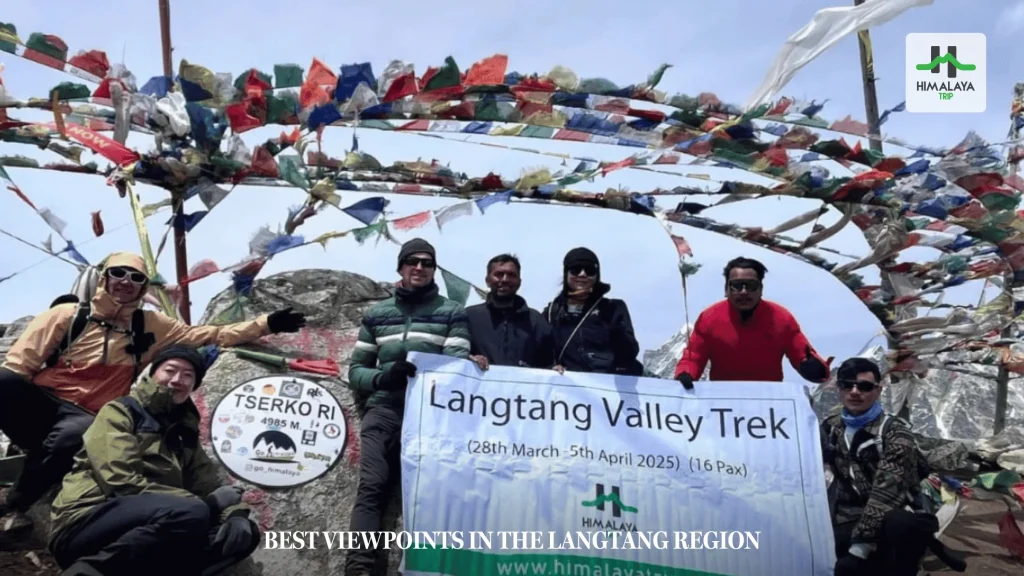
Similarly, several iconic snow-capped peaks lie within the national park area. From Langtang Lirung to Langtang Ri, Dorje Lakpa, Yala Peak, Changbu, and Gangchempo, there are also several unnamed and less-documented peaks in the region. During the national park trekking trail, you can enjoy the spectacular mountain views from different viewpoints such as Kyanjin Ri (4,773 m), Tserko Ri (4,984 m), and others. The flora and fauna found within the protected area are also remarkably diverse.
The Langtang National Park is an ideal destination for those who want to experience the Himalayas in a tranquil, authentic setting. In this blog, we will provide all the information about the national park. Make sure to read until the end!
Table of Contents
Location of Langtang National Park
The Langtang National Park is located in the north-central region of Nepal. It covers the areas of 1,710 km2(660 sq mi), stretching across the northern part of the Rasuwa district and parts of Nuwakot and Sindhupalchok districts. The national park lies about 30 km north of Kathmandu in a straight line. Meanwhile, the distance from the capital city to Syabrubesi, the gateway to the park, is 120 km. It makes Langtang one of the closest national parks to Kathmandu.
The national park extends to the border with China in the north. Similarly, it covers a wide range of elevations. The park goes from around 1,000 m to over 7,000 m. Hence, trekking within a short distance in the Langtang National Park allows you to cross multiple ecological zones in a single journey. You will start in the subtropical forests and terrace hillsides of Syabrubesi, then move on to alpine meadows, high-altitude glacier landscapes, and snow-capped mountains.
There are several key valleys and regions within Langtang National Park. One of the most popular areas is the Langtang Valley. You will initially follow the Langtang Khola River into the valley. Carved by glaciers and surrounded by massive peaks like Langtang Lirung, the valley is also known as the “Valley of Glaciers.” The valley is also the main trekking corridor to high-altitude viewpoints such as Kyanjin Ri and Tserko Ri.

To the west of the national park lies the Gosainkunda region, where the sacred Gosainkunda Lake is situated. There are also several other sacred alpine lakes within the Gosainkunda region. Likewise, the Helambu region lies to the southeast of the Langtang National Park. It is a culturally rich region famous for its scenic landscapes. Helambu is home to the Hyolmo, an indigenous community deeply rooted in the Tibetan Buddhism tradition. The interconnection of different areas makes the national park a geographically diverse yet accessible destination for a trekking experience.
History and Establishment of Langtang National Park.
In 1970, the Nepalese monarchy approved the designation of the national park as the first protected area in the Himalayas. But it was officially established or gazetted as the first Himalayan national park of Nepal in 1976. It was the first time the Nepal government officially protected a Himalayan ecosystem. Hence, it was a historically significant milestone in the country’s environmental conservation effort.
The Langtang National Park has a diverse ecosystem, with numerous rare flora and fauna. It has 14 vegetation types in 18 ecosystem types. Similarly, it is home to endangered and rare wildlife, including red pandas, Himalayan black bears, musk deer, and over 250 bird species. The national park was established with the primary goal of protecting the fragile ecosystem. It helps conserve the species and maintain ecological balance. Maintaining ecological balance supports water protection, soil conservation, and climate regulation in the region.
In addition to environmental and wildlife conservation, the Langtang National Park also helps preserve the cultural heritage within its area. The Tamang ethnic community, who are one of the indigenous groups of Nepal, resides in the region. They have distinct languages, cultures, customs, and lifestyles. Tibetan Buddhism deeply influences their traditions. It can also be seen in their monasteries, daily rituals, and festivals. The national park helps conserve these intangible cultural heritage and landmarks.
The park also has historical significance in the Himalayan research and mountaineering. After the Langtang National Park was officially established, Langtang Lirung and other peaks in the area were mapped and surveyed. There are several other unnamed peaks within the park area that have attracted scientists and expedition teams. Over the years, the Langtang National Park has become a model for eco-tourism in Nepal. Despite the 2015 earthquake, which heavily impacted the area, it has remained a hub for trekking, cultural heritage, and nature conservation.
Who Should Visit Langtang National Park?
The Langtang National Park visit is for trekkers, cultural explorers, and nature enthusiasts. It is for a wide range of travelers who are seeking an authentic Himalayan experience without crowds. The national park offers a rare blend of natural beauty, diverse mountain biodiversity, and rich cultural heritage. Moreover, it’s close to the capital city, making it suitable for large numbers of travelers.
The trekking routes in the Langtang region, like the Langtang Valley Trek, are suitable for first-timers to seasoned trekkers. Similarly, there are more challenging options for adventure seekers, such as the Ganja La Pass Trek, the Langtang Gosainkunda Helambu Trek, etc. These are high-altitude treks that take you deep into the heart of the national park. Even beginners with reasonable fitness can trek in the national park. The trail is off-the-beaten but well-marked. There is also a good network of teahouses and lodges along the route. It makes it manageable for first-timers.
Likewise, the national park is perfect for nature lovers and wildlife enthusiasts. As we mentioned before, it is inhabited by numerous wildfires, including endangered species. It is a biodiversity hotspot. There are also numerous bird and plant species. You will trek through dense forests of rhododendrons to alpine meadows, while witnessing the various plant species. It is a heaven for nature lovers, wildlife enthusiasts, photographers, and bird watchers. They can explore the diverse ecosystem of the national park while also learning about it.
The quiet trails of Langtang are different from those in the Everest and Annapurna regions. It offers a sense of solitude and a more intimate connection with the Himalayas. These experiences are completely different from those on crowded, commercialized trails. Similarly, the Tamang and Buddhist heritage adds richness to a visit to Langtang National Park. It offers some of the best cultural trekking destinations, such as the Tamang Heritage Trail and the Helambu Cultural Trek. For spiritual pilgrimages, there are options like Kyanjin Gompa and Gosainkunda Lake.
As you can see, the Langtang National Park is suitable for travelers with diverse interests, fitness levels, and preferences. Whether you are a first-timer looking to start your Himalayan adventure or a seasoned trek enthusiast, a cultural explorer, or a nature lover, the park offers something for everyone. The versatility makes the national park a truly rewarding destination for all kinds of travelers.
Top Attractions in Langtang National Park
By now, you know that the Langtang National Park holds numerous natural, cultural, and scenic attractions. It makes visiting the park a rewarding experience. Having too many choices can be confusing, so we have compiled a list of the top attractions in the national park. Take a look:
Langtang Valley
The Langtang Valley, or the Valley of Glaciers, is often known as the heart of the Langtang National Park. It is also a popular short and scenic trekking destination. The valley spans a wide range of elevations, offering diverse landscapes. The route to the Langtang Valley passes through lush forests of rhododendron, oak, and bamboo. It gradually opens up into alpine meadows before turning into glacial landscapes.
Along the route, there are numerous small waterfalls, several river crossings, yak pastures, and viewpoints from where you can enjoy gorgeous mountain views. The valley is also the symbol of recovery and strength, as it was successfully rebuilt after the 2015 earthquake.
Kyanjin Gompa
The Kyanjin Gompa is a small village and spiritual center of the Langtang Valley. It is located at an elevation of 3,870 m. The village is named after the ancient Buddhist monastery or gompa. The monastery showcases the strong influence of Tibetan Buddhism. It is built in a simple, traditional Himalayan style with stone walls and wooden carvings. Colorful prayer flags surround the monastery.
The main hall of the monastery has statues of Buddha, sacred texts, and ritual objects. The locals offer prayer and light butter lamps. Similarly, they also spin prayer wheels for good karma. Visiting Kyanjin Gompa gives you the opportunity to observe the local religion, spirituality, and practices in Langtang National Park. It also offers a quiet spot to rest, reflect, and obtain inner peace.
Gosainkunda Lake
Another attraction of the Langtang National Park is the Gosainkunda Lake. It is a high-altitude glacial lake at 4,380 m. The lake is sacred for both Hindus and Buddhists. The Hindus believe that Lord Shiva created the lake with his trident to quench his thirst after consuming poison from Samundra Manthan. For Buddhists, the lake symbolizes purity and spirituality. They consider Gosainkunda as a spot for meditation and inner reflection. You can bask in the spiritual atmosphere and ir take a holy dip in the lake.

The Gosainkunda Lake is an excellent viewpoint that offers spectacular views of Lantang Lirung, Langshisa Ri, Dorje Lakpa, and other surrounding peaks. The clear turquoise lake water reflects the snowy ridges, rocky cliffs, the blue skies, and drifting clouds. During winter, the lake freezes, creating more magical scenery and a serene atmosphere.
Tamang Villages
There are several traditional Tamang Villages within the Langtang National Park. The majority of the locals residing in the area are the indigenous Tamang people. The trekking routes take you past these beautiful villages, so you can immerse yourself in their rich culture. While exploring these villages, you will see a strong influence of Tibetan culture and Buddhism in their traditions and lifestyles.
The locals are friendly and warm to their guests. You can stay at locally run teahouses and experience authentic Tamang hospitality. Similarly, you can taste the local delicacies. While staying in these Tamang villages, you can also see their traditional Himalayan lifestyle, which has remained unchanged for generations. You can see the locals working in their fields, herding yaks and other livestock, and trading. Villages like Syabrubesi, Langtang Village, Thuman, etc., offer a rich blend of culture, hospitality, and nature.
Trekking in Langtang National Park
The easy accessibility and diverse routes make Lantang National Park a popular trekking destination. Unlike most trekking regions in Nepal, there is no need for long travel or extreme logistics. Additionally, it offers scenic trails through diverse landscapes, gorgeous mountain views, and a rich cultural experience. From easy to moderate to challenging, various trek routes cater to trekkers of different levels. It is a perfect destination for beginners to expert-level trekkers.
Trekking through the Langtang National Park, you will go from lush subtropical forests to alpine meadows and glacial valleys. It is a natural corridor from subtropical forests to high alpine glaciers. There are several traditional Tamang settlements within the national park with comfortable teahouses. Similarly, there are monasteries and sacred alpine lakes within the area. It makes trekking in the park a rewarding experience with rich cultural immersion.
When is the Best Time to Visit Langtang National Park
The best time to visit Langtang National Park is in spring and autumn. Although it is possible to trek in the area year-round, these two seasons offer the best weather and moderate temperatures. Here is a brief on these seasons:
Spring (March to May)
The spring season is one of the most beautiful times to explore the Langtang National Park. The temperature gradually becomes warmer after a long winter. There may be light snow at higher altitudes, but it melts as the spring season progresses. The flora and fauna are also the most active during this time of the year. The rhododendron forests in the lower sub-tropical zone burst into full bloom. It makes the forest trail a blooming and colorful tunnel of red, pink, and white.
Similarly, the chances of catching sight of the wildlife are higher in spring. The clear skies and low precipitation level offer the best views of the surrounding mountains. Hence, the spring season offers excellent photo opportunities. The moderate temperature offers comfortable trekking conditions. The average temperature of the Langtang National Park at different altitudes in spring is:
- Lower altitude (1,400 m to 2,500 m): 10°C to 22°C
- Mid altitude (2,500 m to 3,500 m): 5°C to 15°C
- High altitude (3,500 m to 5,000 m): -5°C to 10°C
Autumn (September to November)
The best trekking season in Nepal, including the Langtang National Park, is autumn. It offers the most stable weather conditions with clear skies and excellent visibility. Autumn in Nepal begins right after the monsoon. The rain cleanses the atmosphere, so the air is fresh, and the landscapes look lush and vibrant. Hence, the snow-covered peak against the blue skies looks sharp, and the glaciers and ridgelines are more visible.
At the start of the season, there can be slight rainfall. But it ceases quickly. The post-monsoon atmosphere is lush, and the air feels fresh. Autumn is also a festive season, which adds cultural richness to the trek in Langtang National Park. Two major festivals, Dashain and Tihar, fall at this time. The Tamang communities also celebrate them with joy and feasting. Likewise, the temperature is moderate, ideal for trekking. The autumn temperature in Langtang National Park at different altitudes is:
- Lower altitude (1,400 m to 2,500 m): 8°C to 20°C
- Mid altitude (2,500 m to 3,500 m): 0°C to 12°C
- High altitude (3,500 m to 5,000 m): -10°C to 8°C
How to Reach Langtang National Park
From Kathmandu to Syabrubesi
There are multiple entry points into Langtang National Park, but Syabrubesi is the most common. It is 120 km north of Kathmandu and takes about 7 to 9 hours to travel, depending on the road conditions and mode of transport. The route goes from Kathmandu to Trishuli, then ot follows the rugged mountainous road to Dhunche before reaching Syabrubesi. It is a scenic drive that takes you past green hills, rivers, villages, and local markets.
Transportation Options
The various transportation options between Kathmandu and Syabrubesi are:
- Local bus: The most common and cheapest option to travel between these two places is the local bus. It is cost-effective but less comfortable and often crowded. It makes frequent stops and is slow. Traveling between these two takes 8 to 10 hours. The local bus is perfect for budget travelers and to experience an authentic way of traveling like a local.
- Tourist bus: It is another common mode of transportation. It is more comfortable and faster than traveling in a local bus. The tourist bus has better seating and slightly fewer stops. The average travel time is between 7 and 8 hours. Compared to the local bus, the tourist bus is slightly more expensive, but it is still budget-friendly. Tourist buses offer a good balance of comfort and price.
- Shared jeep: It is a faster travel option than both local and tourist buses. The shared jeep usually has a seating space of 6 to 9 passengers. Once it becomes full, it departs immediately, and the drive takes 6 to 7 hours. Shared jeep is a popular option for solo travelers or small groups. It is a suitable option for those who are comfortable sharing a ride with a stranger.
- Private jeep/ car: The most comfortable and fastest transportation option is hiring a private jeep or a car. It is flexible and convenient. The jeep or car will come to pick you up and drop you off at the place you want. You can make stops as needed, and the drive takes only 5 to 6 hours. However, it is expensive and ideal for groups or travelers with a flexible budget.
Do we need Entry Fees and Permits?
Yes, you need an entry permit to visit Langtang National Park, known as the Langtang National Park Entry Permit. It is mandatory for all trekkers. The permit helps the local government to manage tourism in the area. Similarly, permit fees support trail management and environmental conservation. It also contributes to the local community. There are multiple permit checkpoints within the national park in villages such as Dhunche and Syabrubesi.
The Langtang National Park Entry Permit costs:
- SAARC Nationals: NPR 1,500 per person
- Non-SAARC Nationals: NPR 3,500 per person
- Nepali citizens: NPR 100 per person
You can obtain the Langtang National Park Entry Permit from the Nepal Tourism Board or the Department of National Parks in Kathmandu through a registered trek agency. It is also possible to get the permit at the national park entrance, such as Dhunche. Please note that depending on the trek route, you may need additional permits.
Impact of the 2015 Earthquake and Recovery
The Langtang region in Langtang National Park was one of the areas most severely affected by the 2015 Earthquake in Nepal. Among others, the Langtang Valley received the most damage. The earthquake triggered a powerful avalanche that broke off from Lantang Lirung. It swept down into the Langtang Valley, causing massive destruction. The original village was completely destroyed, and over 300 people (locals and trekkers) lost their lives. Similarly, the earthquake also severely damaged the infrastructure within the national park. Homes and teahouses were destroyed, bridges collapsed, and trails were blocked. Due to the diverse geography and terrain, the rescue operation was extremely difficult.
The earthquake destroyed the trekking routes in Langtang National Park, forcing them to close for several months. In the face of the devastation, the local communities showed strong resilience. They first constructed the homes and moved to repair the blocked roads and trails. After the roads opened, the region was reconnected to the rest of the world. Volunteer support and international aid also came for the recovery efforts. It took some time, but the infrastructure and trekking routes were restored.
At present, trekking in Langtang National Park is fully open and operational. The trekking routes are safe to travel on. The old site where the Langtang Village was previously located was no longer safe for relocation. Hence, the village was rebuilt slightly away from the original site. Houses and lodges with improved and earthquake-resistant designs were constructed. Tourism has been one of the major factors that have supported the region’s recovery effort.
Conclusion
The Langtang National Park truly stands out from the rest of the Himalayan national parks in Nepal. It offers a harmonious blend of natural beauty, trekking adventure, and cultural richness. From the diverse and rare biodiversity to the varied landscapes, towering mountains, ancient monasteries, and sacred lakes, the visit to the national park is extraordinary and memorable.
The warm hospitality of the local Tamang people, paired with the tranquil environment, makes the travel rich and meaningful. Exploring Langtang National Park is more than an adventure. It is also about connecting with the spirit of the Himalayas!