Winter and Monsoon Special Offer! Get 5% off on all trekking packages in Nepal . Visit during June , July, August, December , January and February and take advantage of this limited-time deal.

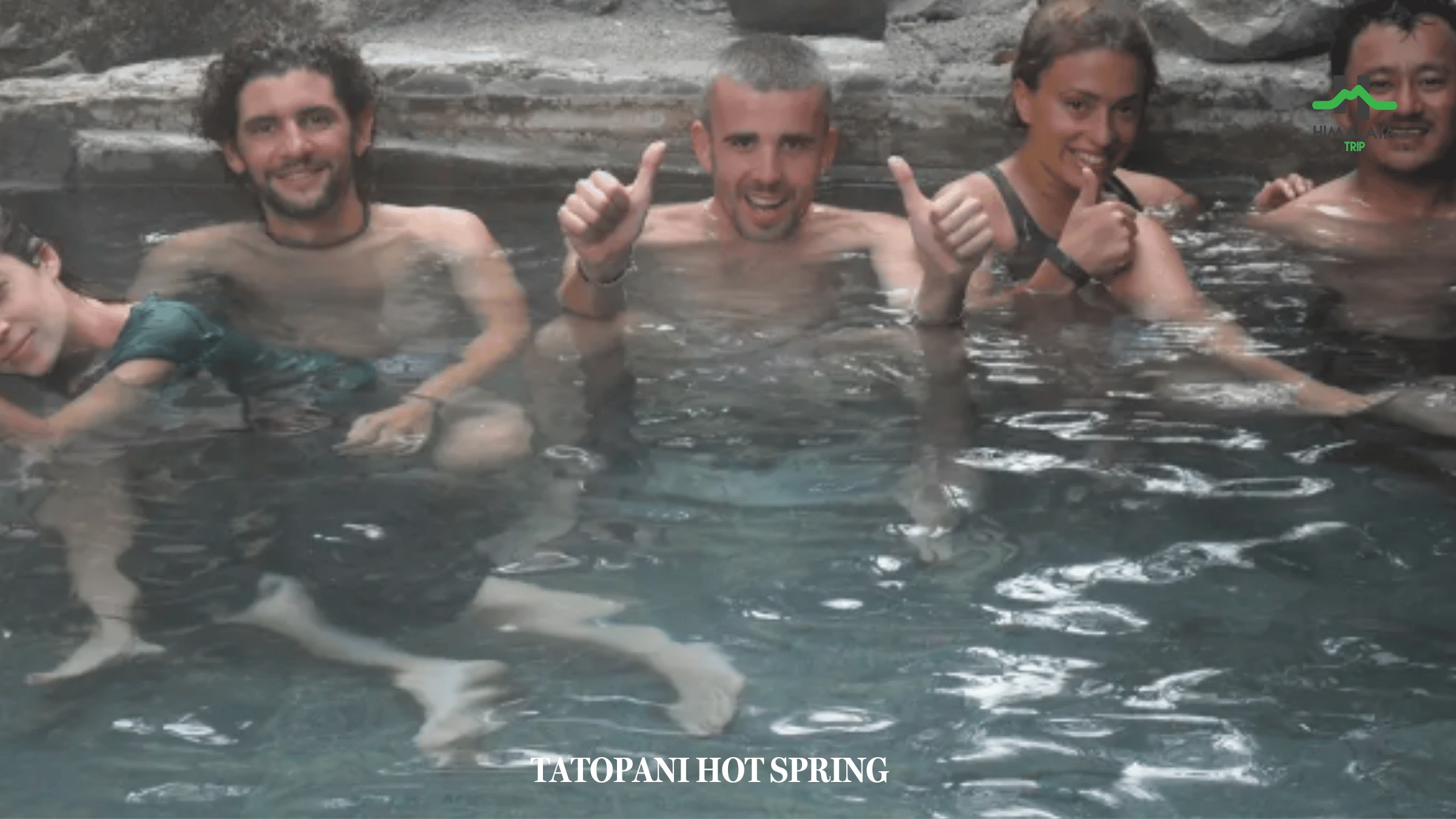
Tatopani Hot Spring
The Tatopani Hot Spring is one of the most refreshing natural retreats located in the Annapurna region of Nepal. It is a popular stop among trekkers and travelers exploring the region. The hot spring is a natural haven for relaxation, set amidst lush green hills and Himalayan landscapes. The name Tatopani translates to “hot water” in Nepali. The hot spring is famous for its natural geothermal pools and its tranquil atmosphere.
What makes Tatopani really unique and popular among visitors is the naturally heated, mineral-rich water. The water comes from deep within the earth and is believed to carry healing or therapeutic properties. Locals and visitors who have tried it also swear by its ability to soothe sore muscles and relieve stress. Hence, it is popular among trekkers returning from demanding routes like the Annapurna Base Camp and Annapurna Circuit. Usually, they soak in warm water to rejuvenate after walking for long hours on rugged terrain.
In addition to the physical and health benefits, Tatopani Hot Spring also offers a unique cultural and sensory experience. It sits along the banks of the Kali Gandaki River, surrounded by traditional villages and green terrace farms. Soaking in the hot water while listening to the sound of the flowing Kali Gandaki River, while being surrounded by a peaceful environment, is a unique and immersive experience. The cool mountain breeze, paired with the warmth of spring, makes every moment feel rejuvenating.
Want to know more about the Tatopani Hot Spring? Make sure to read this blog until the end!
Table of Contents
Where is Tatopani Hot Spring Located?
Tatopani Hot Spring is located in the Myagdi District of western Nepal, along the banks of the Kali Gandaki River in the Annapurna region. Tatopani is the name of the small village. There are many teahouses, guesthouses, and lodges, along with hot spring pools, in the area. The hot spring is one of the main attractions of the village, but it is also a stop for visitors to experience authentic Nepalese hospitality, culture, and lifestyle.
The village of Tatopani is located in a beautiful valley, surrounded by green hills, terraced fields, and snow-capped mountains. One reason Tatopani is well-known among trekkers is its strategic location. The village is situated along the popular routes such as the Annapurna Base Camp and the Annapurna Circuit Trek. Trekkers descend from higher-altitude areas like the Thorong La Pass. As a result, the village is a popular stop to rest and rejuvenate at the end of their adventure.
Tatopani is also easily accessible from Pokhara. The distance between the two places is approximately 150 km, and the drive takes 4 to 5 hours. Since the village is near the major city, travelers can visit the hot springs without committing to a long trek. Tatopani is also an important stop, connecting to villages such as Jomsom,Marpha, and Mustang. It is also close to the district headquarters of Myagdi, the Beni Bazaar. As the village lies along the Kali Gandaki corridor, Tatopani was also a part of the ancient trade and travel route between the lower hills and the Himalayas.
How to Reach Tatopani Hot Spring
The Tatopani Hot Spring is easily accessible compared to many remote Himalayan destinations. You can access it by road or via a trekking route. Take a look at the different ways you can research the hot spring:
From Kathmandu
The total distance from Kathmandu to Tatopani is about 330 km, and the journey takes 10 to 12 hours, depending on the road conditions and type of vehicle. There is no airport in Tatopani itself, so you have to combine air travel with road travel or trekking. Driving is the most budget-friendly way to travel compared to flying. However, flying is faster, more convenient, and more comfortable. You have several options to get to Tatopani from the capital city:
- Roadway: You can take a bus (local or tourist), jeep, or private car to drive from Kathmandu to Tatopani. The route takes you through the scenic Prithvi Highway to Mugling, then to Beni, before finally arriving at Tatopani. At the start of the drive, the road is well-paved and smooth. But it gets rougher from Mugling. The winding road gets bumpy and narrow, and occasionally passes through landslide-prone areas. Although long, driving on the mountain road offers a chance to witness the scenic beauty of Nepal’s charming countryside.
- Airway: First, you will take a 25-minute flight from Kathmandu to Pokhara. Then, you will drive to Tatopani. Another option is to fly to Jomsom. The flight from Kathmandu to Jomsom takes around 30 minutes. Then, you will trek along the Annapurna Circuit route to get to Tatopani.
From Pokhara
Pokhara is a favorite destination for both international and national visitors. The city is well connected by road and air. It is located beside the tranquil Phewa Lake and serves as the gateway to Annapurna region trekking and Tatopani. You can take a bus or a jeep (private or shared) from Pokhara to Tatopani. The drive takes 4 to 6 hours and covers 110 km. The route covers Pokhara, Beni, and Tatopani. You will drive on a rugged road that follows the Kali Gandaki River upstream. Some sections of the road are steep, so prepare yourself for a bumpy and thrilling ride.
Trekking Routes Access
Another option is to access Tatopani via trekking routes. You can follow the route from Besisahar to Chame. The trekking trail ascends gradually and goes through riverside trails and small traditional villages.
Similarly, you can take an alternative route to Tatopani via Muktinath. The classic circuit route passes through Tatopani as a natural stop. This route is part of the upper sections of the Annapurna Circuit Trek trail. Trekking on this path takes you to more remote parts of the Annapurna region. You will traverse changing landscapes, cross a mountain pass, and visit traditional settlements.
The trekking duration will vary depending on the starting point you take. Likewise, the trek’s difficulty also depends on the itinerary. You can choose the one that best suits your fitness and preferences.
Health Benefits of Tatopani Hot Spring
As mentioned before, soaking in the Tatopani Hot Spring has several health and therapeutic benefits. The water has minerals such as calcium, sulfur, magnesium, and potassium. These minerals can have many benefits for the human body. Here are some health benefits of the Tatopani Hot Spring:
Relief from muscle and joint pain
The warm, mineral-rich hot water of the Tatopani Hot Spring helps relax tense muscles and loosen stiff joints. The heat penetrates deep into the muscle tissue and helps to reduce soreness. Similarly, minerals such as magnesium and calcium help in reducing inflammation and joint discomfort. The warm water provides natural therapy for mild pain as well as chronic conditions like arthritis.
Reduce fatigue
The natural hot spring also helps to reduce fatigue accumulated after several days of trekking. It is common for your body to feel physically drained. Soaking in Tatopani helps to rejuvenate your tired body. The warm water also calms your nervous system, helping your body recover faster and boosting overall energy levels. Many trekkers notice that soaking in the hot spring of Tatopani helps them feel more energized and refreshed. It reduces both physical and mental fatigue.
Improved blood circulation
Another health benefit of the Tatopani Hot Spring is improved blood circulation. The heat from the spring causes blood vessels to dilate. It increases blood flow throughout the body, which delivers oxygen and nutrients to tissues more efficiently. Similarly, it helps remove metabolic waste and supports your body’s recovery. Improved blood circulation also supports overall cardiovascular health. As a result, after bathing in the Tatopani Hot Spring, you will feel more energized and revitalized.
Skin health
Minerals such as sulfur have natural antibacterial and antifungal properties. Hence, it helps cleanse your skin, reduce irritation, and prevent infections. Soaking in the hot spring can also help to treat skin conditions such as acne, eczema, and rashes. You can feel your skin soften after the dip. Regular use of the hot spring can help achieve healthier, glowing skin.
Detoxification
Another health benefit of the Tatopani Hot Spring is its detoxifying effect on your body. The mineral-rich, warm water helps open your pores and encourages sweating. It helps your body naturally release toxins and impurities. Similarly, the minerals in the water support the body’s natural cleansing process, enhance metabolic function, and promote detoxification. It also helps to boost immunity and improve digestion. The detoxifying properties of hot springs can help you feel lighter and more rejuvenated, physically and mentally.
Why Visit Tatopani Hot Spring?
Tatopani is more than just a hot spring, but a peaceful mountain retreat in the Himalayas. The warm steam from the pools welcomes you after a long trekking days. It also provides an escape into nature, away from the hustle and bustle of city life. Enjoying views of lush hills and snow-capped mountains while dipping in the warm water is an experience available in only a few places.
Another unique reason to visit the Tatopani Hot Spring is to get a multi-sensory healing experience. In addition to the physical healing, it offers a full sensory engagement. The crisp mountain air, the serene atmosphere, and the gorgeous scenery all blend to offer immersive, rejuvenating experiences. The hot spring feels like a natural spa infused with mountain energy. Visitors have stated that after soaking in Tatopani, they not only feel physically lighter but also mentally reset. You can relax, recharge, and reconnect with yourself and the surrounding nature. It is a moment of reflection and not just a moment of physical relief.
Tatopani also offers a cultural stop where visitors can experience the traditions, culture, and lifestyles of the local Gurung and Magar communities. There are traditional houses, teahouses or guesthouses, and local markets in the village. You can witness the quiet lifestyle of the locals during your visit. Similarly, you can interact with the locals and try traditional cuisines. As the village is a common stop for trekkers returning from different trek routes, you can meet new people from different walks of life. Tatopani is the hub of shared adventures and stories.
Tatopani Hot Spring offers a combination of physical relief, mental clarity, and cultural immersion. It makes the hot spring one of the must-visit sites of the Annapurna region.
What to Expect at Tatopani Hot Spring
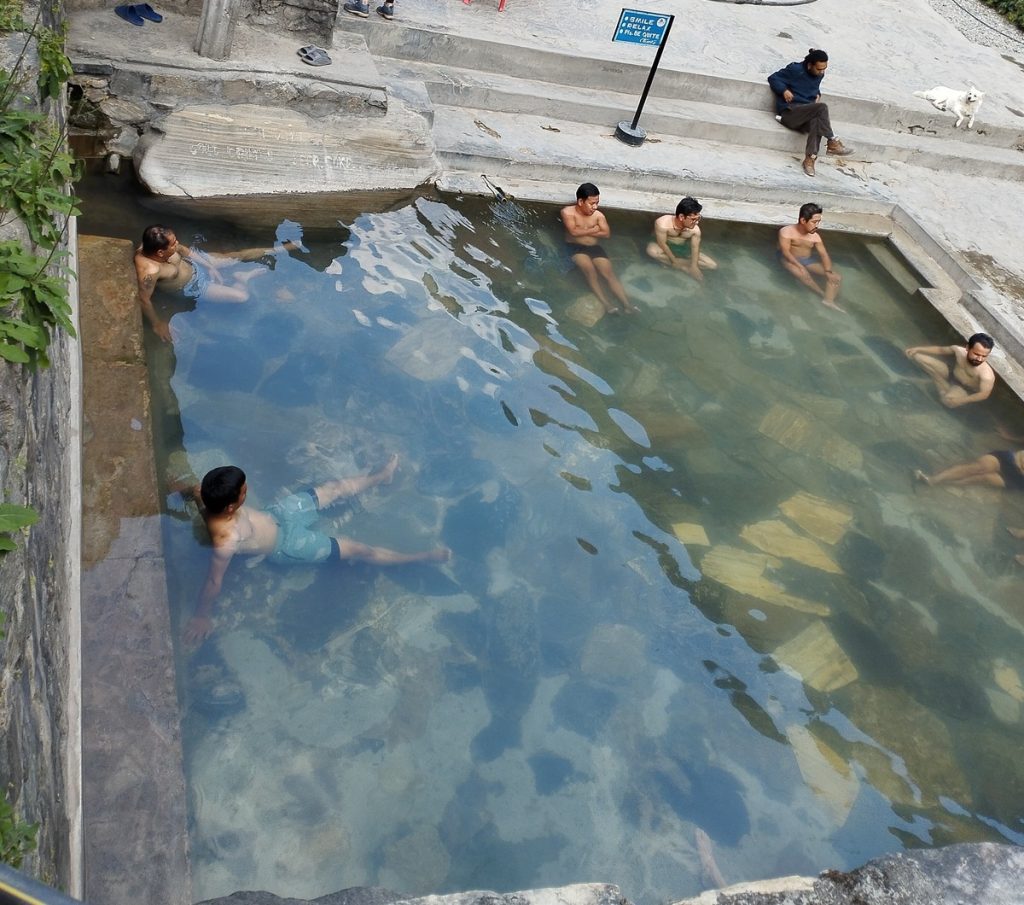
Expect simple amenities, cozy teahouses, and lush scenery at Tatopani Hot Spring. As it is a hub for locals, trekkers, and travelers, you can meet people from all over the world. From small, private-looking pools to larger shared pools, there are multiple pools of different sizes. The water temperature is warm, generally ranging between 38°C and 45°C (100°F to 113°F). It can rise to 50°C (122°F), but the temperature is warm enough for comfortable soaking. Test the water before fully immersing yourself.
As the water emerges from the deep earth, it gives a slightly earthy feel. When you enter the pool, the water feels soft and silky on the skin. Although the Tatopani village is accessible by roadway, the infrastructure is basic. Hence, the changing and bathing facilities are also basic but functional. The changing rooms are simple with small wooden or stone platforms. There are no modern showers or private cubicles. The cleanliness of the pools is also moderate. The water flows constantly from natural springs, so it is fresh. You may see some sediments or mineral deposits, but these are normal. As the pool’s edges can be rocky or slippery, bring your own flip-flops or shoes.
Mid-morning or late afternoon is usually quieter, so these times are ideal if you want to avoid crowds. There are several teahouses and lodges in the village, so expect to meet many other trekkers and travelers. During peak season, the hot springs and teahouses can be crowded. It is highly recommended that you book the rooms in advance for better rooms and early access to the pools. So expect a relaxing and authentic mountain experience where simplicity meets natural beauty.
Accommodation and Food Near Tatopani
The teahouses and guesthouses around Tatopani village are basic but authentic and comfortable. Although these are not luxurious, they are cozy and offer a window into local culture and customs. These accommodations are mostly run by the local families. Hence, the atmosphere is warm and welcoming. The rooms are usually on a simple twin-sharing basis. The owner provides beds, blankets, and minimal furniture. Most accommodations have communal bathrooms, but some rooms may have attached bathrooms.
These accommodations have electricity but are sometimes solar-powered. They may offer services such as charging electronic devices, hot showers, and internet for an additional charge. Please note that the internet service may not be reliable. It is often slow and unsuitable for heavy, data-intensive work. The room price can range from NPR 500 to 1,500 per night. For additional services, these stays may charge fees of around NPR 200-500 per service.
The food around Tatopani is mostly staple Nepalese cuisine, but you may find some Western cuisines on the menu. Most eateries serve Dal Bhat, a staple dish of rice, vegetables, lentil soup, and pickles. Similarly, you may find other options such as noodles, momo (dumpling), fried rice, thukpa, chowmein, soups, salads, etc. The meals at Tatopani are simple but fresh. They are made using local ingredients, are nutritious, and are prepared in a home-cooked style. The accommodation and meals in Tatopani are simple but warm and comfortable. Staying at the local teahouses and trying the local food is the best way to experience the authentic lifestyle and hospitality of rural Nepal.
Entry Fee and Opening Hours
The opening hours for the Tatopani Hot Spring are usually from early morning to evening, i.e., 6:00 AM to 7:00 PM. Sometimes the hours can be extended slightly depending on the season, visitor flow, and local management. During the spring and autumn peak seasons, the hot spring is open for longer hours. Meanwhile, in the monsoon and winter seasons, the opening hours may be shorter. Due to trail and road access, visitor flow is also lower at these times of year.
The entrance fee for Tatopani Hot Spring is typically around NPR 100-200 per person. In some cases, the fees vary slightly depending on local management and additional facilities, such as showers and private pools. But do not worry, the entry fee is generally low. It is a budget-friendly natural spa experience. Unlike most commercial tourist sites, the opening hours and entry fee for Tatopani Hot Spring are not strictly fixed.
You can confirm the details with the hotel or your travel agency before visiting. You can also check it upon arrival, as the time and price may change depending on the time of the year you are visiting.
Conclusion
Tatopani Hot Spring is a hub for relaxation and cultural immersion. It is an experience that goes beyond a soothing bath. It is an opportunity to unwind in the lap of nature and rejuvenate your body and mind. Similarly, the visit to the hot spring is also a chance to connect with the locals and their culture and traditions. Whether you arrive here after trekking for days or simply for a short visit, the warm, mineral-rich water eases muscle tension, eases fatigue, and leaves you refreshed and recharged.
Dipping in the warm water while listening to the rushing Kali Gandaki River and looking at the lush scenery, Tatopani Hot Spring offers a unique and memorable experience. It combines wellness with nature in one single destination. Tatopani is a place to breathe, reconnect with nature, and leave the stress of everyday life behind. If you, too, are planning to visit Nepal, do not miss stopping at Tatopani. Soak in the warm water, heal yourself, and connect with the refreshing energy of the Himalayas!