Winter and Monsoon Special Offer! Get 5% off on all trekking packages in Nepal . Visit during June , July, August, December , January and February and take advantage of this limited-time deal.


Festivals to See in Upper Mustang
Festivals to see in Upper Mustang offer a journey into an age-old culture. They take you back in time and connect you with the ancient culture that has survived the test of time. Upper Mustang is known as the “Last Forbidden Kingdom.” Located in the rain-shadow area of the Annapurna and Dhaulagiri ranges and within the Annapurna Conservation Area, it remained secluded from the rest of the world until 1992. It remains a restricted area due to its well-preserved heritage and geopolitical location.
Due to its restricted nature, Upper Mustang retains the mysterious Himalayan aura. The semi-arid landscapes, windswept valleys, rugged cliffs, ancient caves, and traditional villages attract thousands of curious trekkers. Additionally, the region has preserved its Tibetan Buddhist culture, rituals, and heritage. Festivals in Upper Mustang are a fine example of this. The locals in Lo Manthang and surrounding villages hold these festivals in centuries-old monasteries and perform chants, rituals, masked dances, and more.
Witnessing these festivals is taking a deep dive into the beliefs, devotion, celebration, and life of the locals. The unique surroundings and snow-capped peaks further add to an immersive cultural experience. Hence, those who want a more enriching Upper Mustang Trekking adventure should plan their trip around the festival. In this blog, we explore three of the grandest celebrations: Tiji, Yartung, and Losar. So, make sure you read until the end!
Table of Contents
Tiji Festival
When it comes to festivals to see in Upper Mustang, you cannot miss the grandest and most sacred Tiji Festival. It is a three-day festival and dates back over 300 years. Locally known as “Tenpa Chirim” or “Tenchi” in shorter form, the meaning of the festival is “Prayer for world peace.” During the festival period, the monks perform various rituals of purification and renewal and chant sacred sutras.

Tibetan Buddhism is a form of Vajrayana Buddhism, practiced in Tibet, Nepal, and Bhutan. So, as expected, Tiji Festival has a deep connection with Vajrayana Buddhism. It is associated with the deity Dorje Jono (Vajrakila) and Guru Rinpoche (Padmasambhava), an 8th-century Buddhist master. According to the mythology, the old kingdom of Mustang suffered from drought and misfortune due to demonic forces. Under the guidance of Guru Rinpoche, Dorje Jono fought and defeated the evil. It purified the land and brought prosperity to the region. It is believed that the purification ritual has been held since then at the Chhode Monastery, which is now known as the Tiji Festival.
Meanwhile, the historical records of the Tiji Festival in Upper Mustang go back to the 15th century. The official records mention that Khenchen Sonam Lhundrup, a Buddhist scholar, abbot, and royal figure of the Kingdom of Lo Manthang, introduced the festival. King Samdup Rabten later revived it in the 17th century. After Lo Manthang finally opened for foreigners in 1992, the performances and celebrations can now be observed by visitors worldwide. The festival also marks the victory of good over evil.
Incredible experience
Waow!
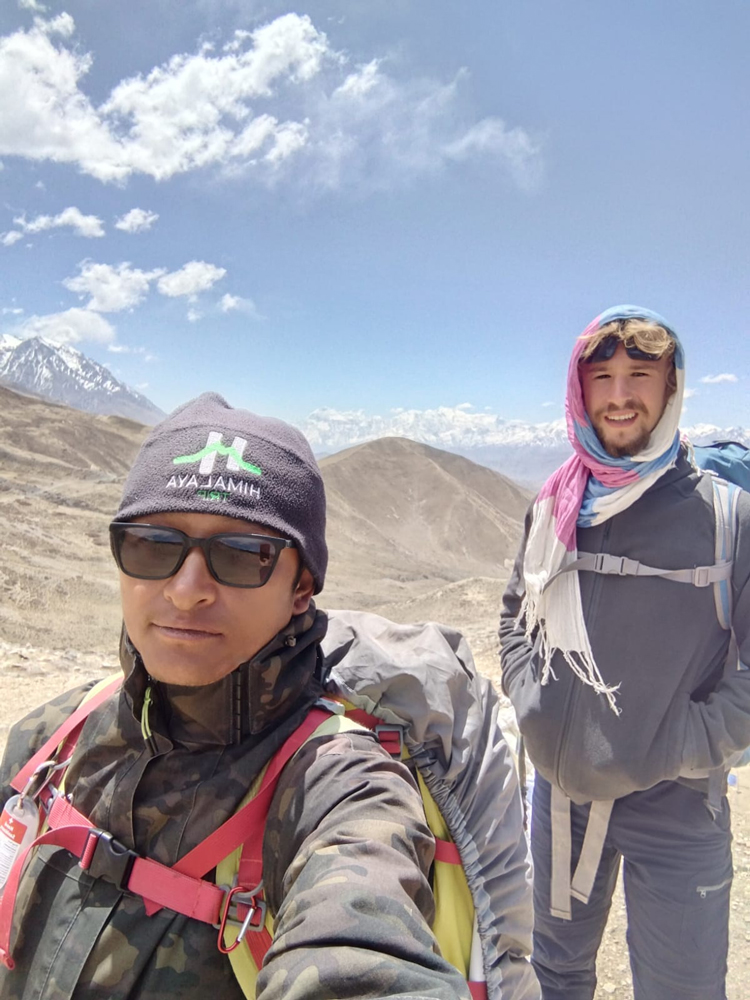
I booked Upper Mustang Trek in last minute and Harka made this happen seamlessly with some flexibility to the original itinerary.
I had a lot of fun with Surpa, my guide, who took great care of me throughout.
Thanks!


Nar-Phu valley, Annapurna, Poon Hill, Upper Mustang
I first experienced Nepal with Himalaya Trip several years ago and Harka did a wonderful job so I returned and asked him to again organize my trek. I had 33 days to travel outside KTM and despite a cyclone disrupting my first itinerary Harka was able to pivot and made the most of my time in Nepal. The organization and execution was perfect. My guide Sandeep helped execute the original then modified itinerary and did a great job guiding me over a long trek up the Nar-Phu valley and over Kangla pass before snow halted our plans and we redirected to Poon Hill and Upper Mustang in a different direction. I would highly recommend Himalaya Trip to anyone interested in experiencing Nepal.


Harka is the best
We did an awesome trek in the Upper Mustang region with Himalaya Trip with an awesome guide called Dhruba. Harka the owner was kind, replied perfectly by email and the personalised contact was something totally spot on. I would totally recommend him for treks in Nepal, after researching a lot of trekking companies I think the price and quality of the trek are perfect.
Italy, October 2014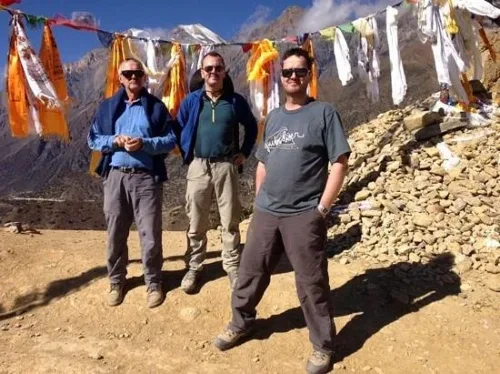
Excellent service and a top experience
Excellent service and a top experience! Harka and his team were amazing from airport pick up right through to the actual trek and final departure. I could not recommend them highly enough!!!
UK, October 2014

Excellent Upper Mustang Trek
Harka organised a fantastic trip inot upper mustang for our group and it was well worth it, our porters Deip and Chitra were fantastic, they helped, were very considerate and friendly and the language barrier was not an issue we all got by no problem.
We were on the trek during the major avalanches and when our guide had to go and assist other parties in the “danger zone” the porters bought us down the mountain with no dramas.
once we hit Jomson we then did a few days of the annapurna cuircuit to poon hill and home which meant we got desert, snow and rainforest all in the one visit which was great.
we had done the manaslu circuit 4 years ago with Harka and his team and were totally happy both times with the trek and the service and level of quality provided.
Although this trek was lower altitude it was still an amazing place to visit and I would recommend Himalaya Trip to anyone looking for a real trekking experience with top guys and great locations.
we will be back in a few years to trek again and Harka and his guys will be the comapny we will use.
Cheers
Bryan
Australia, October 2014
11 Day Mustang Trek
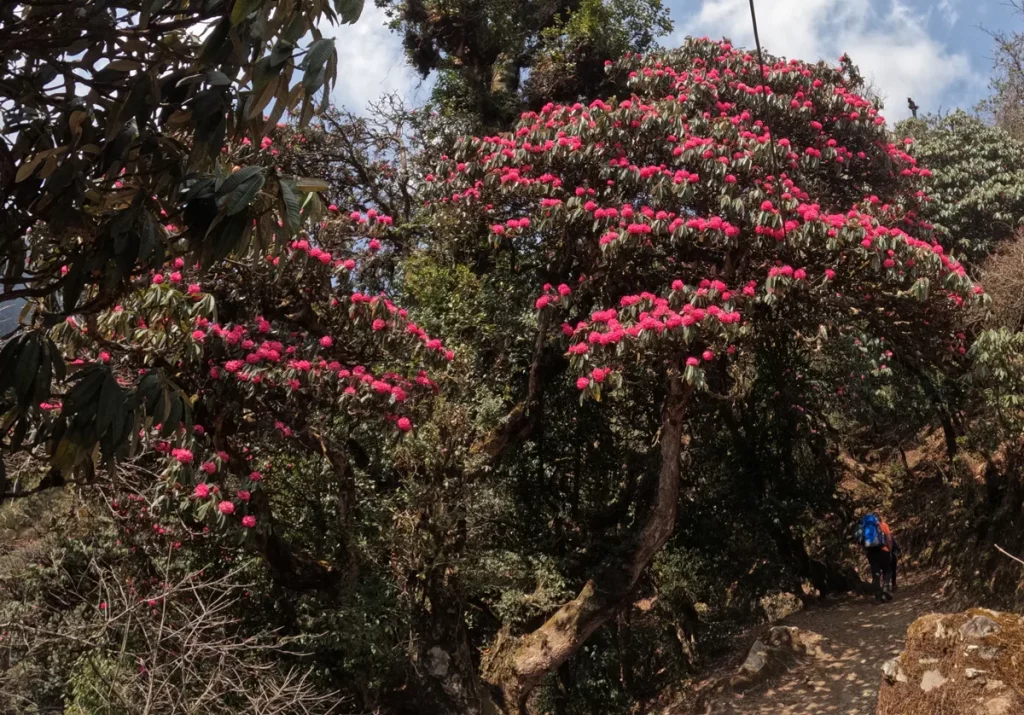
I recently completed an 11 day trek through upper Mustang with Himalaya Trip. There were four of us one guide and two porters. It was an amazing trip and I would highly recommend the trek as well as Himalaya Trip. Our plans were a little complicated as we were all meeting in Pokhara, but Harka organized it well and was a joy to work with. I met him beforehand in Kathmandu to finalize all our plans. Given my foggy state due to the time change, I left my credit card there but he found me and got it back to me right away.
Our guide and porters were great. One of our group (my daughter) speaks Nepali fluently, so I don’t know how much that contributed to a sense of being a team. Our trek took place during the recent snowstorm that caused a lot of fatalities at higher elevations. We had one day that was not easy, heavy wet snow, limited visibility, and very cold. If it had continued, I think we would have stayed put. Our guide, Ohm, was great, insisting that one of us, who was very wet and cold, wear his parker and routed us away from the more dangerous portions of the trail.
One final comment is that they gave us good guidance the day before we flew from Pokhara to Jomsom on how much was appropriate for the porters to carry. They kept us a reasonable weight so as not to overburden the porters. I saw a number of other parties who had completely inappropriate loads being carried by porters (70+ Kg). I was glad that we were not one of them
USA, 2014


18 day trek Upper Mustang and Poonhill Trek
We had a fantastic 18 day trek with Himalaya Trip in March 2015! Everything was very professionally organized and delivered to give us exactly the right balance between adventure and relaxation. Om and Cheetra were fun to travel with looked after us very well. Harka was the quarterback and made sure schedules worked, buses and taxis we’re organized, hotels were booked and airplanes and permits were in order. It was a pleasure to get to know Harka, Om and Cheetra and look forward to ours next visit!
USA, March 2015
When and how is it celebrated?
According to the Tibetan lunar calendar, the Tiji Festival is celebrated in late May. Note that the dates can vary slightly each year. The three-day celebration is held within the walled city of the former kingdom of Upper Mustang, Lo Manthang.
The Chhode Monastery monks collect flour and ingredients to make Torma (colorful ritual cakes) before the festival. They make cakes by hand for offering during the festival. The three days of the festivals are celebrated in the following way:
First Day : Tenchi or Tiji Tenchi
The festival starts at noon with a loud sound from Tibetan horns, followed by drums and cymbals. It begins at Chhode Gompa or Monastery and then moves to the town square. The monks sit under a large Thangka painting of Guru Rinpoche with other deities, including Dorje Jono, around him. The Thangka is hung on the southern wall of the square. Then, the mask dance, known as “Tsa Chaam,” begins. “Tsowo,” the leader of the dancers, and they all wear colorful dresses along with ornate masks. Similarly, the dancers reenact the story of Dorje Jono and his battle with the demon. The dance steps are a highly structured sequence of ritualistic movements.

Second Day : Nga Chham
The second day follows the same pattern as the first day. On this day, the monks recite Vajrakilaya (Dorje Jono) prayers and make offerings. The masked dance of this day is known as “Nga Chham.” It is more aggressive with dramatic movements, and weapons are used during the dance. The dance reenacts Dorje Jono trying to return the demons to the Buddha realm. The dance leader, Tsowo, also uses a dagger to dramatize the deity’s act of killing the demons. Similarly, the female performers wear traditional attire and jewelry. Their dance symbolizes the manifestation of deities and celestial palaces.
Third Day : Rha Chham
On the third and final day of the festival, the “Rha Chham” dance is performed in the monastery square. It symbolizes the ultimate victory of Dorje Jono over the demons. In addition to the dance, the monks chant sutras and make ritual offerings. The Rha Chhamm dance tune is more dramatic than the other two dance forms. Likewise, the dancers wear costumes that represent animals, deities, and protective spirits. For the closing ceremony, all performers gather, and the atmosphere is filled with energetic music, dances, and the sound of gunfire.
The monk portraying Dorje Jono throws an effigy made from Tsampa (barley flour) mixed with butter and seed. The effigy symbolizes “Ma Tam Ru Ta”, and the act represents the removal of evil from the land. At the end, Tsowo offers a sacred drink called “Dutsi” that symbolizes the deity’s victory.

Key highlights:
- The three-day festival features various rituals, chants, offerings, and a display of sacred Thangka paintings.
- Masked dancers wearing colorful attire perform various dances that are a reenactment of Dorje Jono’s battle and victory over the evil demon.
- The performance is accompanied by traditional music that enhances the spiritual and festive atmosphere.
- Both locals and visitors can participate, watch the performance, and celebrate together.
The age-old and vibrant three-day Tiji Festival is a once-a-year cultural experience. Visitors can observe the exciting atmosphere, ceremonies, masked dances, and celebrations. It is an excellent way to gain insight into the age-old celebration of Upper Mustang.
Yartung Festival
Another unique festival to see in Upper Mustang is the Yartung Festival. The festival is deeply rooted in Tibetan Buddhism, which combines religious ceremonies with community gathering. It is among the most significant cultural festivals in Mustang and other Tibetan-influenced areas of Nepal. The Yartung Festival is a summer celebration that is dedicated to horsemanship and the harvest season. The locals also thank the deities, lamas, and spirits for agricultural prosperity, livestock protection, and fertile land.
“Yartung” is derived from Tibetan words in which “Yar” means summer and “Tung” means to end or finish. Hence, the festival signifies the end of summer. Similarly, it also marks the completion of agricultural and herding work and the beginning of the new harvest cycle. The festival is also the time of gratitude, blessings, and celebration. Like the Tiji Festival, the Yartung Festival is also a three-day celebration. Each day features various ceremonies and unique competitions that bring together the whole people. From horse racing to archery competitions, several other activities, such as horseback stunt and mounted spear throwing, are held during the festival.
When and how is it celebrated?
The Yartung Festival is celebrated during August or early September. It usually falls during Janai Purnima (full moon day) according to the Bikram Sambat calendar. The festival is celebrated in Lo Manthang, Mutinath, and Jomsom of Upper Mustang.
Every three days of the Yartung Festival is dedicated to different groups of participants. Here are the details of three days of the celebration:
First Day: Lama’s Day
The first day is dedicated to the monks and lamas. Various spiritual ceremonies are held to honor the deities by the monks. Similarly, the locals visit the monasteries to offer prayers and offerings like butter lamps, grains, and khatas (ceremonial scarves). They ask for blessings for prosperity and protection of the community and livestock. As the first day is more about spiritual merit, no major competitions are held. The locals prepare for the upcoming celebrations for the next two days.
Second Day: King’s or Local Chieftain’s Day
The second day is dedicated to the king (historically the king of Mustang) or local chieftain. This is the day when various competitions are held. Skilled horse riders take part in the horse racing competition. They decorate their horses and show their horse riding skills, speed, and control. Likewise, an archery competition is also held on this day. The competitors shoot arrows at targets, demonstrating their skills. The horse riders also perform a parade wearing traditional attire in front of the chieftain. In addition to the ceremonial atmosphere, the second day is filled with competitive spirit.
Third Day: Commoners’ Day
The final day of the Yartung Festival is dedicated to the common or local people of Mustang. It is the day of enjoyment, celebrations, and socialization. The horse racing competition continues and is open for all participants. Similarly, the archery contest is also held if the final does not happen on the second day. Aside from these two competitions, other games such as tug-of-war, spear throwing, and racing are also held. The men and women, adorned in their traditional attire, perform traditional dances in tune with drums and horns. Families, friends, and relatives feast together, sharing traditional food and chhyang (local barley beer). The last day of Yartung is filled with songs and dances.
Key highlights:
- Monks perform religious chants and rituals for prosperity and protection.
- Exhilarating competitions like horse races, archery competitions, spear throwing, racing, and more.
- Locals wear traditional dresses and perform folk dances with drums and horns.
- All locals come together and enjoy feasts and a joyous atmosphere.
Yartung Festival is an exciting and vivid display of the culture and community spirit of Upper Mustang. It is a wonderful and unique experience that allows visitors to dive into the mystical atmosphere of Upper Mustang.
Losar: Tibetan New Year in Upper Mustang
Losar, the Tibetan New Year, is one of the festivals to see in Upper Mustang. It is a time of new beginnings, family gatherings, rituals, and community celebrations. The entire Upper Mustang and other Himalayan regions are bustling with the festive atmosphere of welcoming the new year.
The origin of Losar dates back to pre-Buddhist times and is linked with the ancient Bon tradition. In olden times, the Tibetan community celebrated it as a winter harvest festival. They honored the local deities and nature spirits. It slowly evolved into a festival, incorporating various rituals, ceremonies, and prayers. According to the legend, the Tibetan King Songtsen Gampo and the Chinese princess Wencheng were married in 641 AD. It established a friendly relationship between Tibetans and the Tang Chinese. Similarly, it also brought cultural exchange, which in turn influenced the development of the Tibetan Lunar calendar and Losar traditions.
Since Losar is the Tibetan New Year, it marks the beginning of the Tibetan lunar calendar. In addition to the fresh start, it also marks the victory of light over darkness. Each year is associated with one of the 12 Tibetan zodiac animals and one of the five elements (earth, water, fire, metal, and wood). These elements influence the astrological prediction of that particular year. Like in both the Tiji and Yartung Festivals, the monks perform various rituals and chants to bring new year blessings.
When and how is it celebrated?
Losar usually falls between late January and mid-March. Families start to clean their homes to remove negative energy weeks before the festival. It is celebrated for 15 days, but the first three days are the most significant ones. Here are details on the first three days’ celebrations:
First Day: Gyalpo Losar (King’s Losar)
The first day of the Tibetan New Year is called Gyalpo Losar or King’s Losar. The monks perform various spiritual rituals and purification ceremonies in the monasteries. Similarly, they also offer butter lamps. The families also pray to the local deities. They visit monasteries and ask for blessings and a prosperous year ahead.
Second Day: Muley Losar (Household Losar)
The second day focuses on community gatherings and feasting together. The locals wear traditional attire, share food, and pray. There are also traditional dances and music during gatherings.
Third Day: Tashi Losar (Blessings Day)
The third day is for honoring the deities and nature spirits. The monks perform public rituals and make offerings like butter lamps, barley flour, and fruits. Similarly, families decorate their homes with prayer flags to spread positive energy. They exchange greetings, gifts, and feast together. Sacred dances are also performed on this day. These dances reenact historic legends and depict various protective deities and spirits.
Key highlights:
- Beginning of a new Tibetan lunar calendar that features various rituals to clear negative energy.
- Prayer flags are hung at every home, and families visit monasteries for blessings.
- Various traditional dances that depict deities, spirits, and folklore.
- The whole community comes together and shares a traditional feast and drinks.
The Losar Festival in Upper Mustang is more than a New Year celebration. It is a living tradition that reflects the Tibetan Buddhist heritage and Tibetan culture. The age-old festival brings together the community and offers visitors an unforgettable cultural immersion. Participating in the celebration with the locals while exploring the unique landscapes of Upper Mustang is truly an extraordinary experience.
History and Culture Behind Upper Mustang Festivals
As mentioned before, Tibetan Buddhism has a massive influence in Upper Mustang. Therefore, the history and culture are shaped by religion. All three festivals, Tiji, Yartung, and Losar, celebrate local deities, nature, and seasonal changes. Similarly, they also reflect the community’s lifestyle and occupation that revolves around agriculture, livestock, and the environment. These festivals’ origin traces back to early Tibetan Buddhism. Over the years, various rituals, ceremonies, and prayers have been incorporated into the festivals. Each festival is a unique blend of history, culture, and spirituality.
These festivals in Upper Mustang take place in ancient monasteries like Chhode, Lo Manthang, and Thubchen. The monks also play a central role in performing all the rituals, masked dances, and blessings. Furthermore, they also represent the victory of good over evil and the eternal cycle of life. These festivals are paired with colorful costumes, dance, and lively music. These components also serve as cultural expressions that connect the generations with their age-old heritage. It is an opportunity for the community to gather and celebrate together.
Upper Mustang and its festivals offer a window for visitors to glimpse at the Himalayan cultural events and living traditions. It is not just about observing festivals and taking photos, but also about experiencing them. Despite the growing tourism and modernization, the festival retains its authenticity. The locals have successfully protected their history and culture, upholding centuries-old traditions.
You May Like: Everything you need to know about Upper Mustang Trek

Upper Mustang Trek
14 Days
Trekking
USD 1,599 per person

Upper Mustang Jeep Tour
11 Days
Trekking
USD 1,499 per person

Ghorepani Poon Hill Trek
4 Days
Trekking
USD 299 per person
How Upper Mustang Festivals Connect With Trekking
Timing your Upper Mustang Trek with these festivals is an incredible opportunity to experience adventure along with the rich Tibetan Buddhism. Trekkers can explore the unique semi-arid landscapes of the Mustang region and enter the Forbidden Kingdom of Lo Manthang. During the festival, they can immerse themselves in the religious and spiritual practices while being part of the celebration.
Since the region falls within the restricted area of Nepal, trekkers must obtain a restricted area permit from the Nepal Tourism Board. One can get it through a registered local trek agency. The number of tourists is limited, and guesthouses and lodges at notable stops like Lo Manthang can quickly fill during festival time. Hence, they must all be arranged in advance. Once in Upper Mustang, trekkers must be respectful of the local culture and follow the local rules. Some areas may be restricted, so be careful not to cross them.
There are various popular Upper Mustang Trek routes that pass by the festival locations. The popular routes are as follows:
- Jomsom-Lo Manthang Trek route: It is the most popular Upper Mustang Trekking trail. It passes through villages like Chhuksang, Ghiling, and Lo Manthang, where these festivals occur.
- Muktinath-Lo Manthang Trek route: The route takes trekkers from the holy pilgrimage site of Muktinath to Lo Manthang. It is a perfect adventure with cultural and spiritual experiences. The trail passes through Jharkot, Kagbeni, Chhuksang, and Ghiling.
Conclusion
From the masked dance of Tiji to horse racing and archery of Yartung, and welcoming the new Tibetan lunar calendar with Losar, these were the festivals to see in Upper Mustang. Stepping into the area is like entering a whole new world where the folklore and rituals come alive. These festivals showcase the region’s Tibetan Buddhist heritage and communal spirit that shapes locals’ daily life.
Life in Upper Mustang is harsh, but the community has adapted to its desert-like landscape over centuries. These festivals reflect the deep-rooted beliefs of locals and honor the deities. They also explain the locals’ way of life, their identity, and resilience. So, time your trek to Upper Mustang with these festivals. It will make your Himalayan adventure a once-in-a-lifetime journey that you will never forget.