Winter and Monsoon Special Offer! Get 5% off on all trekking packages in Nepal . Visit during June , July, August, December , January and February and take advantage of this limited-time deal.

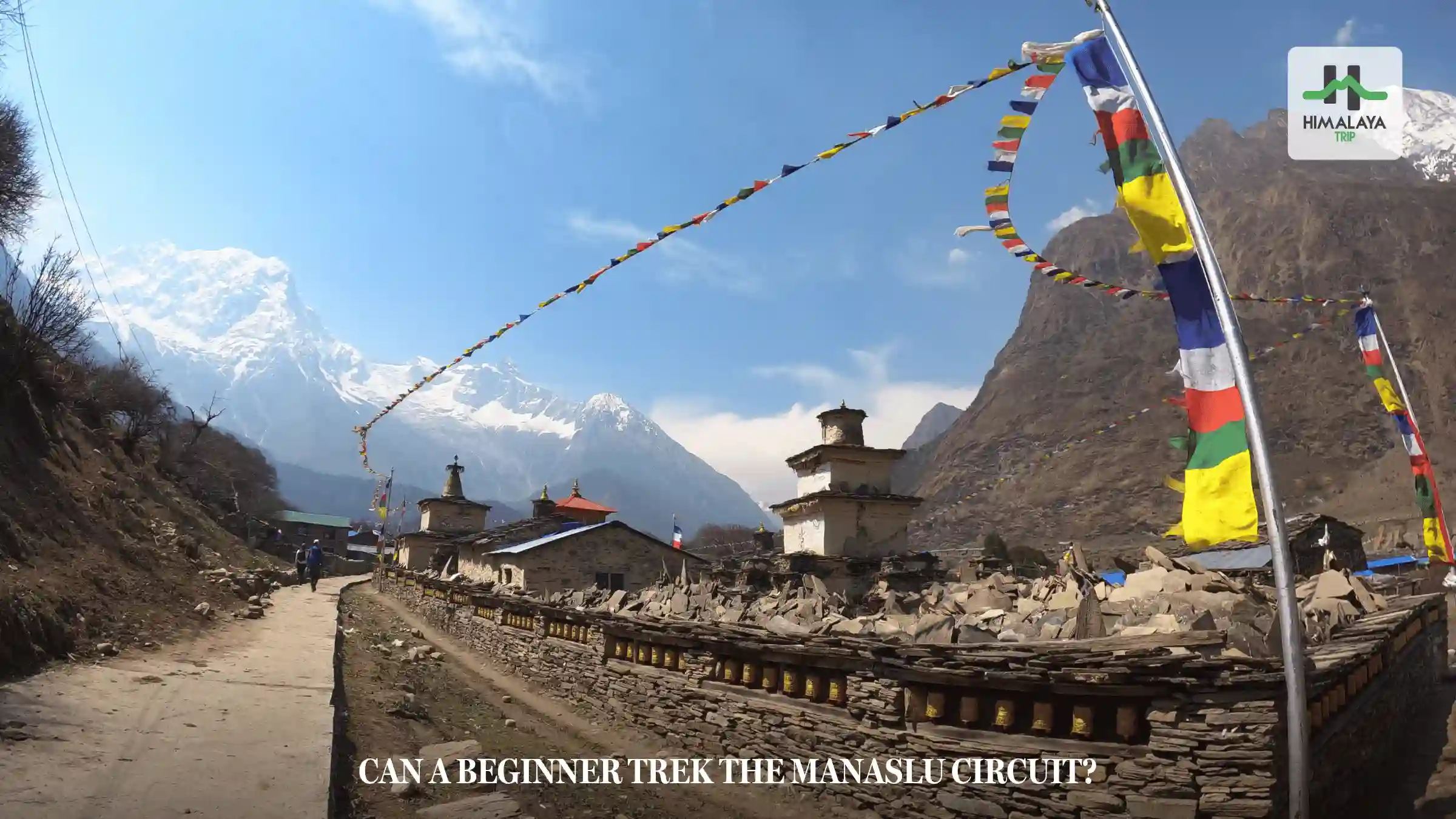
Can a Beginner Trek the Manaslu Circuit?
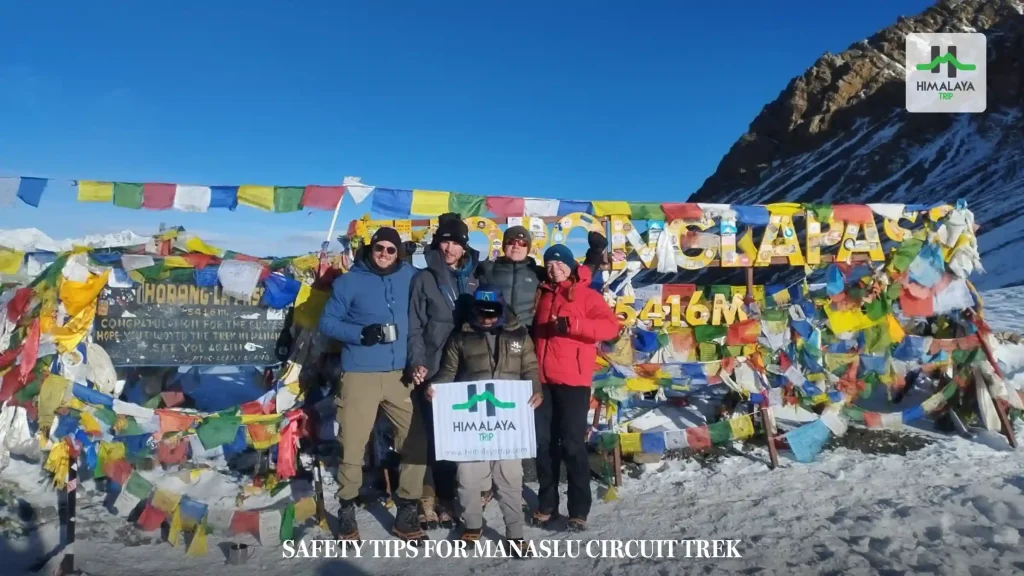
Yes, a beginner can trek the Manaslu Circuit if you are fit, travel with a licensed guide through a registered agency, and follow an itinerary with extra nights for altitude. You should not treat it as an easy first walk, because the route crosses the 5,106 m Larkya La Pass and lies inside a restricted area.
Altitude sickness, closed passes, and long days are the real problems for first-timers. In late October 2025, snowfall forced trekkers on the Larkya La Pass to stop partway. In this guide, we’ll take a detailed look at how first-time trekkers can prepare for and complete the trek.
Table of Contents
What Makes the Manaslu Circuit Trek Challenging?
You’ll walk about 150 km over 11 days, navigating stone steps, river gorges, landslide zones, and steep climbs. The route starts at Machhakhola at an elevation of 869 m and climbs continuously to the Budhi Gandaki River valley before crossing Larkya La Pass (5,106 m). This total elevation gain of over 4,200 m forces your body to adapt to decreasing atmospheric pressure and lower oxygen levels.
Weather conditions add extra physical challenge. In the lower river valleys, temperatures can be warm and humid, reaching 25 degrees Celsius during spring and autumn. As you gain elevation past Namrung (2,630 m) and Samagaon (3,620 m), temperatures drop rapidly. Nighttime temperatures at high camps like Dharamshala (4,460 m) fall below -10 degrees Celsius.
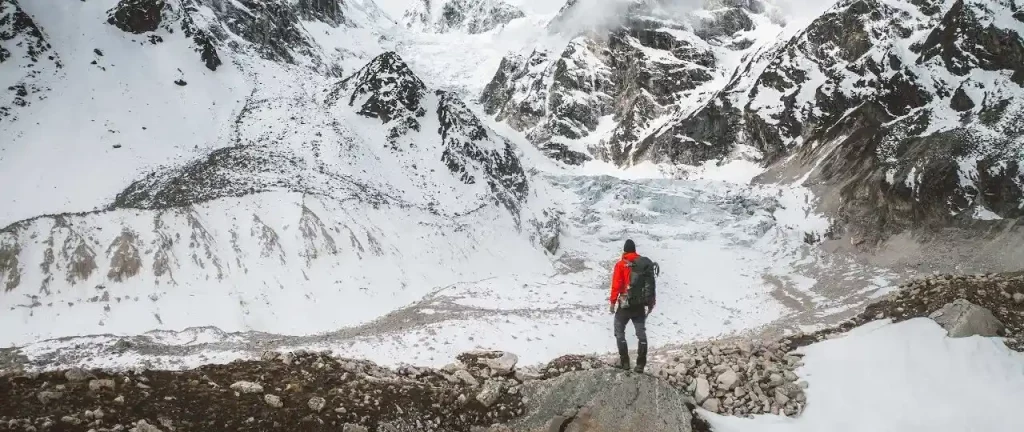
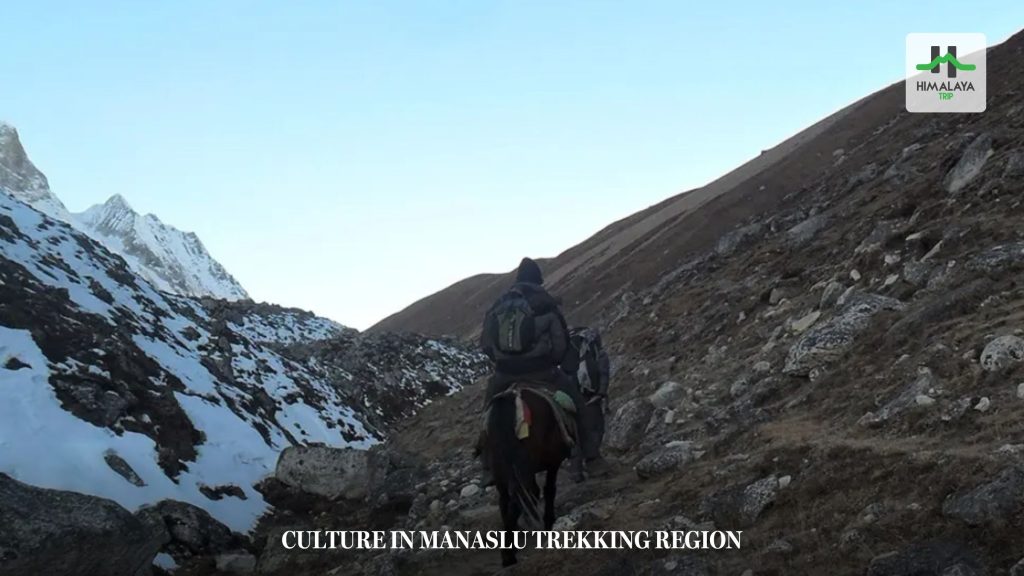
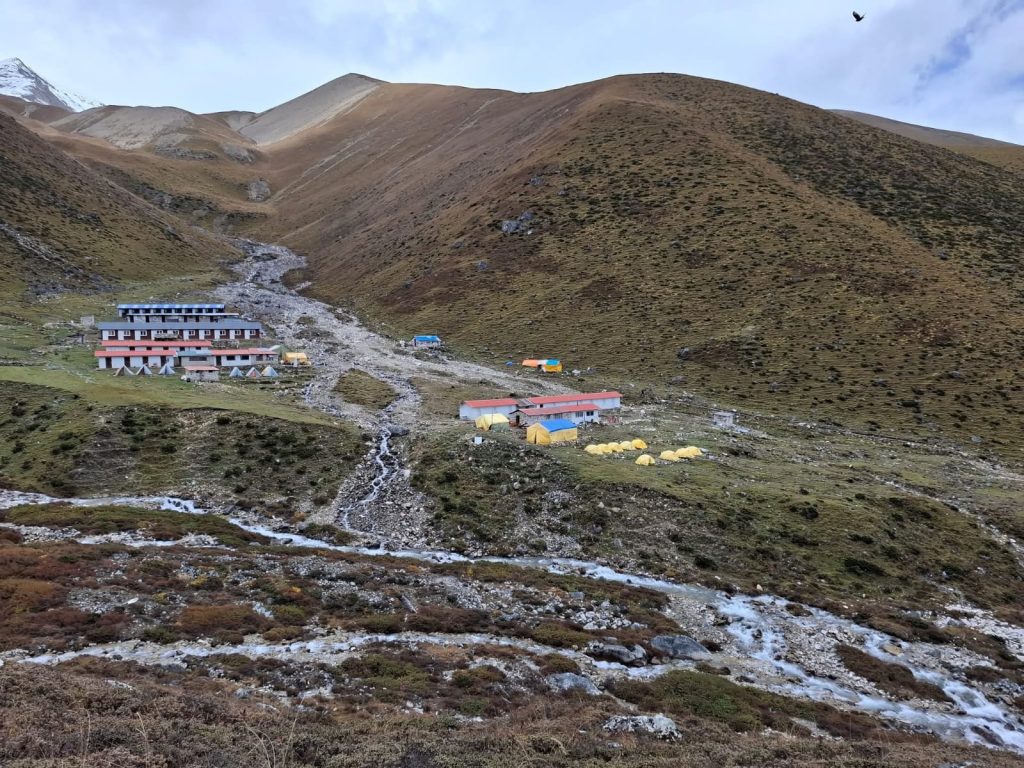
Accommodation on the route is simple teahouses run by local Gurung and Nubri families. Unlike the lower Annapurna region, these mountain lodges offer simple wooden rooms with thin walls, unheated bedrooms, and shared bathroom facilities. Adjusting to basic living conditions, limited electricity, and communal dining is essential for keeping your energy up throughout the trek.
Comparing Himalayan Routes for New Trekkers
While Everest Base Camp has higher sleeping altitudes, and some parts of the Annapurna Circuit have more roads, Manaslu is still a remote tea house trek. Trekkers also need a guide to complete the trek. The table below compares the main features of four popular trekking routes in Nepal (more in Annapurna Circuit vs Manaslu Trek):
| Trekking Route | Maximum Elevation | Average Duration | Technical Difficulty | Guide Requirement | Annual Hiker Volume |
|---|---|---|---|---|---|
| Manaslu Circuit | 5,106 meters | 11 to 14 days | Non-technical / High Stamina | Mandatory | 7,000 to 9,000 |
| Annapurna Circuit | 5,416 meters | 10 to 18 days | Non-technical / Moderate | Mandatory | 20,000 to 28,000 |
| Everest Base Camp | 5,364 meters | 12 to 14 days | Non-technical / Moderate | Recommended | 40,000 to 50,000 |
| Langtang Valley Trek | 3,870 meters | 7 to 9 days | Non-technical / Moderate | Mandatory | 12,000 to 15,000 |
Daily Schedule and Elevation Profile for Manaslu Trek
An 11-day plan helps you gain height slowly, giving your body enough time to adjust. Going up too quickly without a rest day can increase the risk of getting sick from the high altitude. The table below shows the journey from Kathmandu through the Budhi Gandaki Valley, across Larkya La Pass, and down to the Marshyangdi Valley.
| Day | Route Section | Highest Elevation | Walking Duration | Terrain Type and Key Highlights |
|---|---|---|---|---|
| Day 01 | Kathmandu to Machhakhola | 869 m | 9 to 10 hours (Drive) | Scenic drive via Prithvi Highway and rural dirt roads. |
| Day 02 | Machhakhola to Jagat | 1,340 m | 6 to 7 hours | Riverbanks, hot springs at Tatopani, stone staircases. |
| Day 03 | Jagat to Deng | 1,860 m | 6 to 7 hours | Cliffside paths, bamboo forests, entry into restricted zone. |
| Day 04 | Deng to Namrung | 2,630 m | 6 to 7 hours | Pine forests, steep climbs, views of Siringi Himal. |
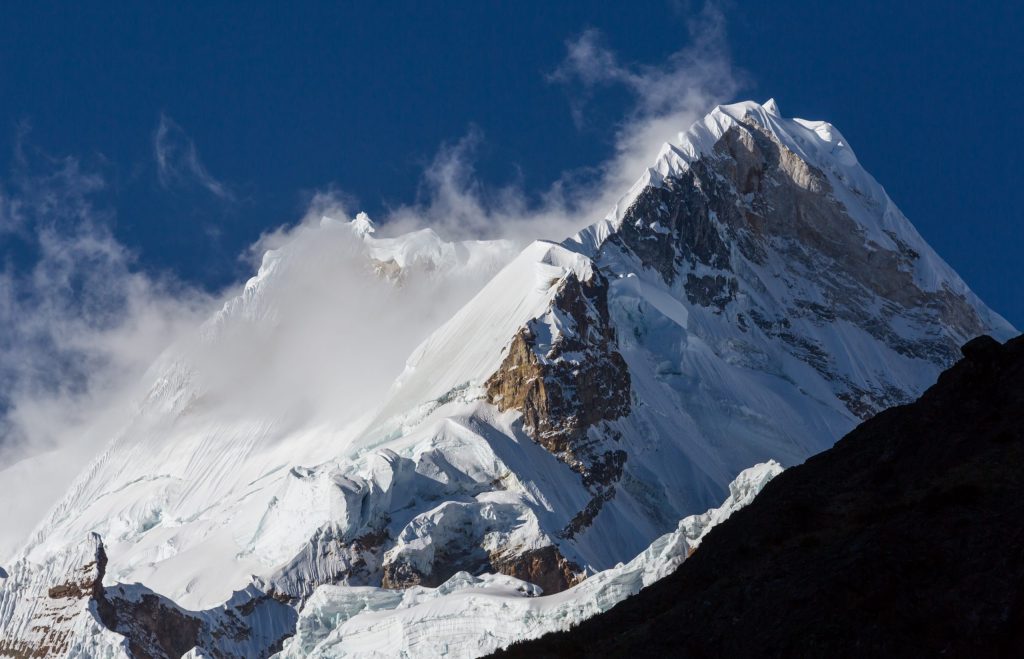
| Day 05 | Namrung to Samagaon | 3,620 m | 5 to 6 hours | Tibetan Buddhist culture, views of Mount Manaslu (8,163 m). |
| Day 06 | Samagaon (Rest Day) | 3,620 m | 4 to 5 hours (Hike) | Acclimatization hike to Birendra Tal or Manaslu Base Camp. |
| Day 07 | Samagaon to Samdo | 3,875 m | 3 to 4 hours | Juniper meadows, wide valley, close to Tibetan border. |
| Day 08 | Samdo to Dharamshala | 4,460 m | 4 hours | Dry alpine terrain, high altitude rest before the pass. |
| Day 09 | Dharamshala over Larkya La to Bhimthang | 5,106 m | 8 to 9 hours | Early morning snow and scree climb, high pass, long descent. |
| Day 10 | Bhimthang to Tilche | 2,300 m | 6 to 7 hours | Rhododendron forests, view of Lamjung Himal, river valleys. |
| Day 11 | Tilche to Besishahar to Kathmandu | 1,340 m | 9 to 10 hours (Drive) | Drive by jeep and bus back to Kathmandu Valley. |
The hardest part comes on Day 9, when trekkers wake up around 3:30 AM at Dharamshala and start walking toward Larkya La Pass early in the morning, before strong winds begin in the afternoon.
Note: If you are planning your trip, work with local experts at Himalaya Trip on the Manaslu Circuit Trek for certified guides, extra days for emergencies, and transport.
Physical Preparation and Training Schedule for Beginners
Since you will walk for about 6 hours each day on mountain trails, being fit makes the high-altitude trek easier and more enjoyable. Start preparing your body with regular training about 8 to 12 weeks before your trip. Your training routine should combine cardiovascular conditioning, leg muscle strengthening, and practice hiking with gear.
Cardiovascular Stamina
Build your aerobic base by engaging in cardiovascular exercise 3 to 4 times per week for 45 to 60 minutes per session. Recommended activities include:
- Running or jogging on changing terrain
- Stair climbing machine workouts
- Cycling or indoor spin training with elevated resistance
- Rowing or swimming to improve heart and lung with minimal joint impact
Leg Strength and Core Stability
Ascending and descending thousands of stone steps puts heavy forces on your quadriceps, hamstrings, calves, and knee joints. Do bodyweight and free-weight exercises twice weekly:
- Bodyweight squats and weighted lunges (3 sets of 15 repetitions)
- Step-ups onto a 30-centimeter box while wearing a weighted backpack
- Romanian deadlifts and calf raises to support ankle stability
- Planks and side planks to strengthen your core for carrying backpack loads
Building leg strength reduces muscle fatigue on long descent days, such as the 1,500-m drop from Larkya La Pass to Bhimthang.
Weekend Practice Hikes
Hiking on natural dirt or rock trails prepares your body for real mountain footpaths. Schedule weekly or bi-weekly practice hikes. Start with a 5-kilogram backpack and increase pack weight to 8 kg over two months. Focus on maintaining a rhythmic breathing pattern rather than walking fast. Practice using dual trekking poles on steep downhills to reduce joint pressure on your knees.
Altitude Sickness Prevention and Safety Rules
Acute Mountain Sickness (AMS) is the main health hazard for hikers above 2,500 m. As atmospheric pressure decreases, each breath brings in less oxygen. Ignoring early symptoms can lead to severe conditions like High Altitude Pulmonary Edema (HAPE) or High Altitude Cerebral Edema (HACE). You can prevent altitude sickness by following these three rules:
- Ascend slowly: Limit your net sleeping elevation gain to no more than 300 to 500 m per day above 3,000 m altitude.
- Include acclimatization days: Never skip the planned rest day at Samagaon (3,620 m). Use this day for active acclimatization by hiking higher to Birendra Tal (3,800 m) or Manaslu Base Camp (4,800 m) before returning lower to sleep.
- Drink plenty of water: Drink 3 to 4 liters of clean water daily. Cold mountain air and rapid breathing dehydrate your body rapidly, accelerating headache onset and altitude fatigue.
Recognize early AMS symptoms immediately, including mild headache, nausea, loss of appetite, dizziness, and difficulty sleeping. If symptoms persist or worsen, you must stop ascending. If symptoms progress to confusion, shortness of breath at rest, or inability to walk in a straight line, you must descend immediately with your guide.
Government Permits and Local Regulations
The Manaslu region lies near the border of the Tibet Autonomous Region of China and is a restricted environmental conservation zone by the government of Nepal. Trekking without a licensed guide is not allowed in the Manaslu region. Under the 2026 rules, a solo trekker may go with a guide through a registered agency. To enter the trail, you must satisfy two mandatory legal criteria:
- You must hire a licensed Nepali mountain guide registered with an authorized trekking agency.
- You must get three government permits before you start your trek.
The table below breaks down required permits, managing authorities, and government fee structures:
| Permit Name | Managing Authority | Cost (Sep to Nov) | Cost (Dec to Aug) |
|---|---|---|---|
| Restricted Area Permit (RAP) | Department of Immigration | USD 100 per person (first 7 days), USD 15 per extra day | USD 75 per person (first 7 days), USD 10 per extra day |
| Manaslu Conservation Area Permit (MCAP) | National Trust for Nature Conservation | NPR 3,000 (Approx USD 23) per person | NPR 3,000 (Approx USD 23) per person |
| Annapurna Conservation Area Permit (ACAP) | National Trust for Nature Conservation | NPR 3,000 (Approx USD 23) per person | NPR 3,000 (Approx USD 23) per person |
Teahouse Facilities and Trail Logistics
Teahouses on the Manaslu Circuit have upgraded over the past decade, but they are simpler than lodges on the Everest Base Camp trail.
Food and Dietary Options
Teahouses provide breakfast, lunch, and dinner menus to keep your calorie intake high. Dal Bhat, a traditional Nepali meal prepared of steamed rice, lentil soup, vegetable curry, and pickles, is cooked fresh twice daily. Other menu items available at most lodges include:
- Breakfast: Oatmeal, Tibetan bread, fried eggs, pancakes, muesli with warm milk
- Lunch and Dinner: Vegetable fried noodles, momo dumplings, fried rice, potato curry, pasta, and garlic soup
- Hot Beverages: Black tea, ginger lemon honey tea, milk tea, instant coffee, and warm water
Garlic soup is popular among high-altitude trekkers because local tradition suggests it may improve blood circulation and reduce altitude discomfort.
Water, Electricity, and Communication
Drinking tap water directly from mountain streams or teahouse taps is unsafe due to bacterial contamination risks. You must treat all drinking water using chlorine or iodine purification tablets, UV purification devices, or purchase boiled water from teahouse kitchens.
Electricity in high altitude villages like Samdo and Dharamshala relies on local solar power systems. Teahouses charge a small fee, from 200 to 500 Nepali Rupees (about USD 1.50 to USD 4.00), to charge electronic devices, power banks, and camera batteries. Cold temperatures drain lithium batteries quickly, so store your phone and power banks inside your sleeping bag during cold nights.
Cellular signal via Nepal Telecom (NTC) and Ncell is available in lower villages like Machhakhola, Jagat, and Namrung, but signal becomes weak or non-existent above Samagaon. Many teahouses offer satellite Wi-Fi connections via local voucher cards for a fee, though connection speed slows down significantly during peak evening hours.
What Is the Best Time to Trek the Manaslu Circuit for Beginners?
Choosing the right season affects trail safety, visibility, and physical comfort. The two main trekking seasons in Nepal are autumn and spring. More detail: best time for the Manaslu Circuit Trek.
Autumn Season (September to November)
Autumn represents the main trekking season in the Manaslu region. Post-monsoon rains clear the atmosphere by mid-September, bringing clear blue skies, stable weather, and clear mountain views. Temperatures are comfortable for daytime walking, though high camps become very cold by November. Because autumn offers the most stable mountain weather, permit numbers peak during October.
Spring Season (March to May)
Spring is the second most popular time for high altitude trekking. Daytime temperatures warm up slowly, and lower forests between Jagat and Namrung turn into color with blooming rhododendrons and wild orchids. Snow accumulated on Larkya La Pass over winter starts melting by April, which creates manageable crossing conditions. Late spring brings warmer weather, though afternoon clouds build up in lower valleys.
Off-Peak Months (Winter and Monsoon)
Trekking during winter (December to February) brings severe cold, heavy snow accumulation, and freezing winds at high elevations. Larkya La Pass closes due to heavy snow, and high teahouses in Dharamshala shut down for the season.
The summer monsoon season (June to August) brings heavy rainfall, landslides around riverside areas, leech infestation on lower paths, and clouded views. Beginners should avoid winter and monsoon departures to stay safe and enjoy comfortable trail conditions.
Do You Need Technical Climbing Gear?
You do not need technical climbing gear such as ropes, harnesses, ice axes, or high-altitude mountaineering boots to cross Larkya La Pass during standard spring and autumn seasons. You do need these personal safety items (full list: packing list for trekking in Nepal):
- Dual adjustable trekking poles to protect knees during ascents and long descents
- Microspikes or lightweight boot crampons for traction on icy morning snow areas near Larkya La Pass
- High-quality broken-in waterproof trekking boots with ankle support
- Windproof and waterproof outer jacket and pants layer
- Thermal base layers made from merino wool or synthetic materials (avoid cotton)
- Down jacket rated for temperatures down to minus 15 degrees Celsius
Broken-in boots are very important for beginners. Wearing brand-new boots on day one causes severe heel blisters by day three, making long daily walks painful.
Conclusion
Can a beginner trek the Manaslu Circuit? Yes, as a first-time trekker you can do it, if you commit to physical training and a slow pace. With the right preparation and mindset, the Manaslu Circuit can be a great experience for beginners. The trail offers mountain views, Tibetan cultural heritage, and peaceful paths without commercial crowds.
If you are ready to start planning your Himalayan trek, contact Himalaya Trip to arrange your licensed guide, organize your restricted permits, and build a customized trekking itinerary tailored to your experience level.