Winter and Monsoon Special Offer! Get 5% off on all trekking packages in Nepal . Visit during June , July, August, December , January and February and take advantage of this limited-time deal.


Packing List for Trekking in Nepal
Are you going to Nepal for a trek? That’s a great choice! You’ll enjoy amazing scenery and a rich cultural experience. To really make the most of it and stay safe and comfortable, a solid packing list for trekking in Nepal is key. Think of it as your roadmap to a successful adventure. If you plan to trek in Nepal for the first time, you may have several common questions. Some questions include what to pack and how much light you should pack. How should I pack for trekking? How should I pack for climbing? Etc. These questions are important because having the right gear is essential for a comfortable trek. If you plan to trek in Nepal, you must take your packing list seriously. We have created a common packing list for trekking in Nepal. Generally, above 3500 meters, the weather and temperatures are similar throughout the Nepal Himalayas.
Trekking in Nepal, among some extremely popular destinations like Everest Base Camp Trek, is an incredible experience, and a well-thought-out packing list is crucial. It’s not just about comfort; it’s about safety and preparedness. Since conditions above 3500 meters tend to be consistently cold, your packing strategy should prioritize layering and warmth. Consider lightweight items that provide excellent insulation, such as thermal base layers, fleece jackets, and a good quality down jacket. Waterproof and windproof outerwear is also essential, as weather can change rapidly in the mountains. Remember to pack sturdy, broken-in hiking boots, and don’t forget essentials like a headlamp, first-aid kit, and water purification system. Balancing the need for essential gear with keeping your pack light is key, so consider multi-functional items and carefully evaluate what you truly need. Let’s break down what you’ll need, from the right clothing to the essential gear that will prepare you for anything.
Table of Contents
Packing List for Trekking in Nepal
Clothing Items
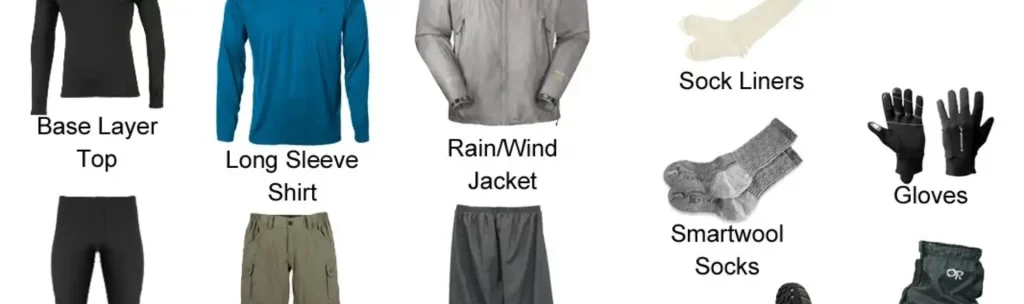
- Trekking boots (If new boots are purchased, “break them in” to avoid blisters) and spare laces
- Hat (Warm), scarf and gloves
- Trousers (Warm trousers are useful higher up in the mountains in the morning and at night.)
- Running shoes, sandals, or thongs (To wear in the camp at night or when your boots are wet).
- Shorts and trousers or skirt
- Wool-blend socks, liner socks, and underwear (three pairs)
- Thermal underwear
- Sunhat
- Fleece jacket
- T-shirts (two or three) and a long-sleeved shirt with a collar (a long-sleeved shirt is particularly suitable for avoiding sunburn).
- Gaiters
- Down jacket or down vest
- Quick-drying camp towel
Medicines
- Sunscreen (SPF 20+) and lip balm
- Iodine, water-purification tablets, or filter
- Insect repellent (for lower elevation)
- Personal medical supplies
Trekking Gear:
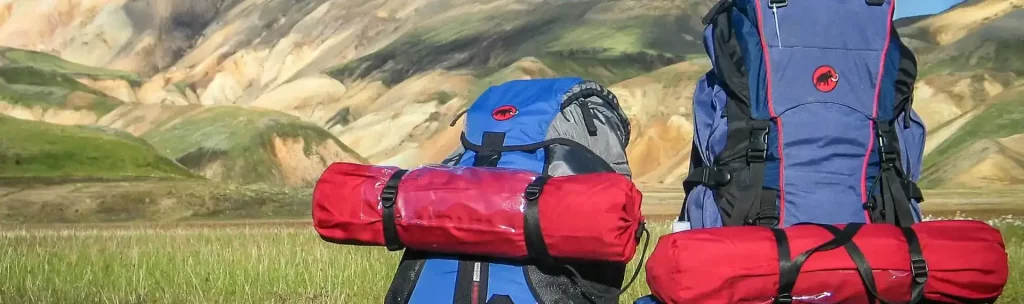
- Backpack
- Sleeping bag and silk liner
- Water bottle
- Torch (flashlight), spare batteries and bulbs
- Backpack cover (waterproof, slip-on)
- Trekking poles
- Day pack (This is a small rucksack to carry personal requirements for the day, e.g., toilet items, cameras, film, towel, soap, chocolate bar, etc.)
Necessary Items
- Polarizing sunglasses
- Pocket knife
- Emergency kit including a whistle and waterproof matches or lighter
- Stuff sacks
- Earplugs
- Duffle bag
- Camera, memory card, and battery charger (spare batteries)
- Altimeter
- GPS unit
- Binoculars
- Books and magazines
- Small duffle bag (to leave behind in Kathmandu)
- Laundry soap powder or bar
- Toilet paper
- 2-4 large plastic bags to separate clean clothes from dirty ones.
Optional:
- Reading materials
- Game items
- Notebook,
- Rubber Bands
- Pen and pencil
- Envelopes, a diary, a calendar, a small pillow or headrest (optional),
- Thermarest
- An inflatable sleeping mat
- Trekking map
- Passport size Photographs
Importance of Having a Packing List for Trekking in Nepal
A well-planned trekking packing list is extremely important for a comfortable and successful trekking experience in Nepal. The trekkers often debate whether to pack lightly or take everything you need.
Ensuring Safety and Comfort
To ensure safety and comfort during a trek in Nepal, a comprehensive packing list is crucial due to the region’s extreme weather variability and altitude considerations; this list should include adaptable layering systems comprised of base, mid, and outer layers to manage rapid temperature changes, reliable rain gear for unexpected showers, and specialized high-altitude equipment such as warm sleeping bags, down jackets, and sturdy footwear to mitigate the risks of altitude sickness and hypothermia; moreover, a well-stocked first-aid kit, sunscreen, lip balm, and water purification supplies are essential for preventing and treating common trekking-related health issues.
Prevents Overpacking
Trekking demands a delicate balance between preparedness and portability, making overpacking a common pitfall. Since you’ll be carrying everything on your back, every extra ounce adds to the physical strain. A well-structured packing list is your first line of defense, acting as a filter to sift out non-essential items and concentrate on the true necessities. By meticulously evaluating each potential inclusion, you can consciously reduce your load. This mindful packing approach lightens your backpack and enhances your trek, letting you focus on the journey’s beauty instead of the burden of excess weight.
Organization and Efficiency
An organized packing list for trekking helps trekkers stay organized and efficient. It allows trekkers to arrange their gear and helps them locate specific items or clothes they need. Pack organization is important in small teahouses or tents while packing, where you must work efficiently. You can easily locate and grab the needed equipment by keeping track of what’s in your pack. This reduces interruptions and makes the most of the space when packing and unpacking.
Safety and Preparedness
A well-made packing list should first contain everything that will keep you safe and secure, such as first aid kits, clothing items, reliable water purification supplies, and navigation tools like a compass. In remote mountain environments, preparedness for potential emergencies is not merely advisable but absolutely crucial.
Financial Planning
Making a packing list well ahead of your trip is an important first step in planning travel expenses. This approach lets you check what you already have and see what you still need to buy. By identifying missing items early, you can budget effectively and ensure these purchases fit within your overall travel costs. This planning also helps you avoid the common mistake of making last-minute impulse buys. These quick purchases often happen in tourist areas with much higher prices, leading to unnecessary overspending.
Tips on Packing for Trekking in Nepal
Nepal Trekking is a once-in-a-lifetime experience where trekkers can enjoy stunning mountain views, trek along the majestic snowy terrains, and immerse themselves in a new and vibrant culture. Careful packing is needed for a safe and smooth trek that will make you comfortable, even when carrying your bags from one place to another. Trekkers, especially beginners, often make mistakes while packing, so here are a few tips for trekkers to ensure they are well-prepared.
- Prioritize lightweight, quick-drying layers to adapt to fluctuating temperatures.
- Invest in sturdy, waterproof hiking boots that are well broken in.
- Pack a reliable, comfortable backpack with proper weight distribution.
- Bring a high-quality sleeping bag suitable for the expected temperatures.
- Include a comprehensive first-aid kit with medications for altitude sickness.
- Carry a water purification system or tablets to ensure safe drinking water.
- Pack a headlamp or flashlight with extra batteries for navigating in the dark.
- Bring a portable charger and power bank to keep electronic devices operational.
- Include essential toiletries and personal hygiene items, minimizing single-use plastics.
- Pack snacks and energy bars for sustained energy during long trekking days.
Conclusion
Packing for a trek in Nepal, especially in a difficult destination like the Upper Mustang trek, requires careful preparation and practicality. Consider the altitude and time of year to determine the necessary gear. Focus on lightweight, versatile clothing layers, reliable footwear, and essential safety items to minimize weight, as you’ll carry everything on your back. A well-organized packing list is crucial for a successful trek. Pay attention to mountain weather variability and physical demands. Always double-check your permits, ensure your footwear is broken in, and remember that local shops can supply basic needs along the trails. With smart packing, you can immerse yourself in Nepal’s stunning landscapes and rich culture.
Hence, if you are still confused about which items to take and which items to leave behind during your trek in Nepal, we hope our tips will help you make the right decision. Ultimately, trekkers must pack extremely important items that will keep them safe, they also take clothing related to weather and temperature of the destination they are currently trekking in. Finally, in the case of gear, they can buy or rent it, so make the appropriate decision based on your preference.