Winter and Monsoon Special Offer! Get 5% off on all trekking packages in Nepal . Visit during June , July, August, December , January and February and take advantage of this limited-time deal.


Gokyo Lake Trek Difficulty
The Gokyo Lake Trek difficulty pushes trekkers’ bodies and minds, but offers one of the most rewarding Himalayan trekking experiences. It is more than just overcoming rugged, remote trails and high altitudes. Every step is a scenic and thrilling adventure that takes you into the hidden Gokyo Valley and its turquoise lakes in the Everest region.
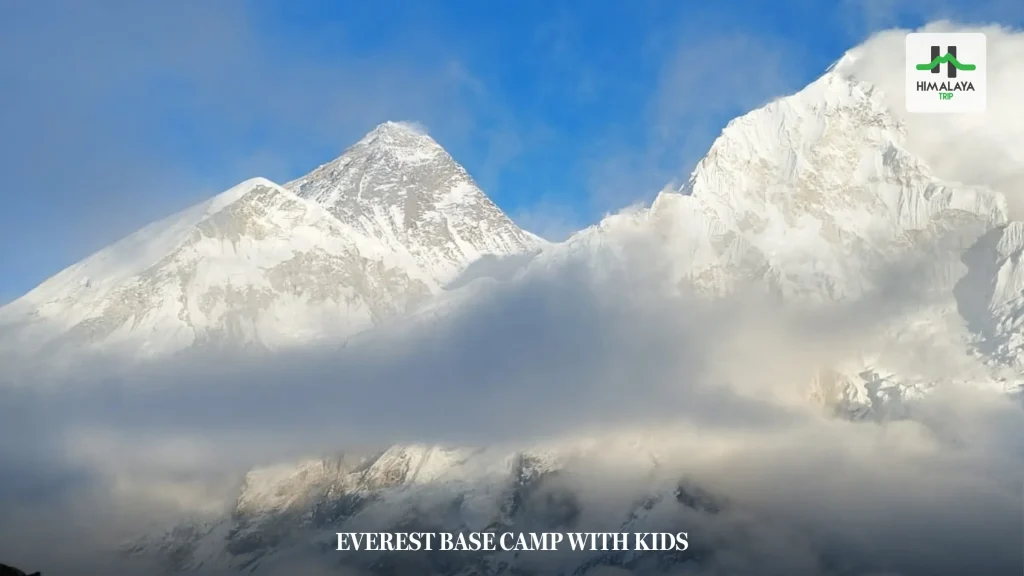
The Gokyo Lake Trek is an adventure trek with moderate-to-strenuous challenges. Unlike the Everest Base Camp trek, the trekking trail is more remote and quieter. The trek begins similarly to the EBC route, so you will first fly from Kathmandu to Lukla. Then, you will start trekking through the beautiful Sherpa villages, age-old monasteries, diverse ecosystems, and mixed terrain. The trek offers spectacular views of Mount Everest, Lhotse, Makalu, Cho Oyu, and more.
As you trek deeper, the beautiful Gokyo Lakes and the longest glacier of Nepal, Ngozumpa Glacier, come into view. Then, you will reach the tranquil Gokyo Valley. The highest point of the Gokyo Trek is the Renjo La Pass (5,360 m). Meanwhile, Gokyo Ri viewpoint (5,357 m) is the highlight of the journey. Climbing to the point is also the most challenging part of the trek journey. Understanding the challenges of the Gokyo Lake Trek helps you plan and prepare effectively to overcome them. It helps ease challenges and makes the journey more comfortable and rewarding. Similarly, proper preparation can make a real difference between an enjoyable adventure and a struggle with the challenges.
In this blog, we will break down everything you need to know about the Gokyo Lake Trek difficulty so you can plan your trip with confidence. Let us begin!
Table of Contents
What Trekkers Really Struggle With During the Gokyo Lake Trek?
When discussing the difficulties of the Gokyo Lake Trek, we often hear about long trekking hours, high altitude, remote location, and unpredictable Himalayan weather. Most fail to talk about the actual challenges trekkers may face during the journey. Here are some of the real struggles of the trek:

Long Walking Distances Between the Settlements
One of the biggest challenges of the Gokyo Lake Trek is the long walking distance between the villages and teahouses. On popular routes such as the EBC, the trails are lined with villages and teahouses. So, you will come across them frequently. Due to the remote location of the Gokyo Valley trekking route, the villages are sparsely scattered. Hence, you have to trek for long hours to reach between two settlements. The teahouse stops are also minimal. The long walking distance over consecutive days can wear you down. It requires good stamina and endurance to overcome this challenge.
High-Altitude Challenges After Machhermo and Gokyo Village
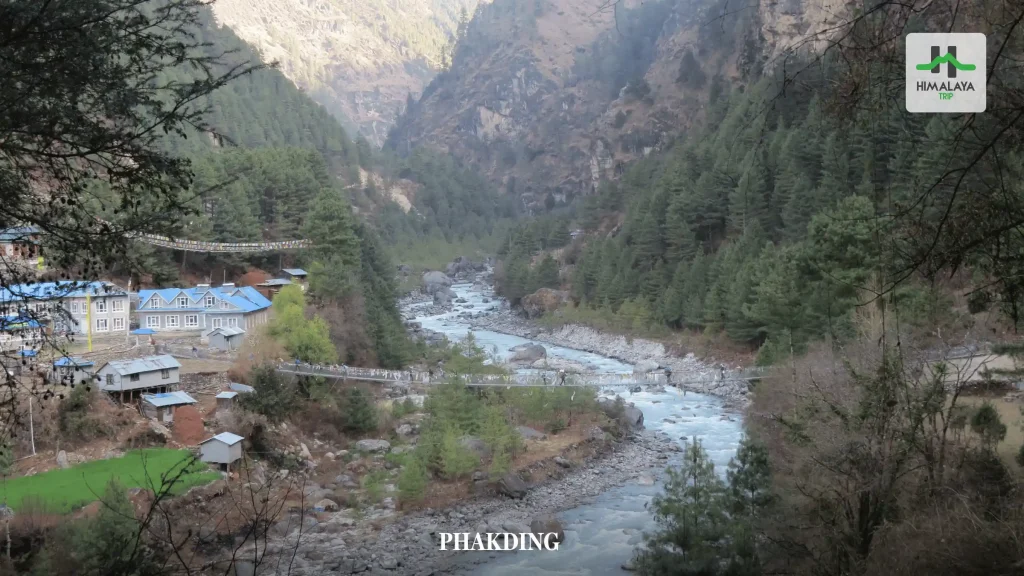
The Gokyo Lake Trek starts in Lukla and passes through notable Sherpa villages such as Phakding and Namche Bazaar. Your real high-altitude challenge begins at Machhermo at 4,470 m. From here, the elevation continues to rise, reaching its highest at Renjo La Pass at 5,360 m. Meanwhile, the Gokyo Village is at an elevation of 4,790 m. There are only a few gradual altitude steps after Machhermo. It may seem small, but its physiological cost is high. Most trekkers underestimate the altitude challenges, but they can suddenly affect the trekker’s body. You may experience symptoms such as headaches, nausea, shortness of breath, and insomnia.
After Machhermo, the trek tests how well your body adapts to the growing elevation. It is also important to understand that acclimatization may take longer. Thus, you need to be patient and take adequate acclimatization.
Crossing the Ngozumpa Glacier Is Mentally Tougher
During the Gokyo Lake Trek, you must cross the country’s longest glacier, the Ngozumpa Glacier, to reach the Gokyo Village and the Gokyo Lakes. The glacier lies right between the main trail and the Gokyo Village. While crossing the trail is physically demanding, it is mentally more challenging. Although it is a single crossing, it feels longer as you have to navigate each step carefully.
The glacier is wide and broken, so it is visually confusing. There is also no clear path to cross it. You will need to navigate a maze of ice, rocks, and moraine. It is easy to lose direction, which makes the crossing more mentally stressful. Moreover, the high altitude and reduced oxygen affect one’s decision-making and patience. It requires strong mental resilience and a reasonable level of fitness to traverse the Ngozumpa Glacier.
Gokyo Ri Summit Push Seems Short but Brutal
The climb to Gokyo Ri from Gokyo Village often looks easy on paper. The one-way distance is approximately 1.7-2 km, and the ascent time is approximately 2.5-3.5 hours. Sounds relatively easy. However, trekkers who have completed it agree that it is one of the most brutal sections of the Gokyo Lake Trek. The trail to Gokyo Ri is extremely steep from the beginning. You have no time to warm up, and the trail begins to ascend as soon as you leave Gokyo Village. There are long stretches, and it feels endless.
It burns your legs, and breathing is more difficult due to the high altitude. Additionally, some part of the trail is covered with loose gravel and rocky terrain. The summit looks close, but every ridge reveals another incline. The “false horizon” effect also weighs on your mind. The combination of physical and mental challenge makes the Gokyo Ri summit push truly strenuous.
Cold Nights in Gokyo Valley Will Catch You off Guard
The temperature in high-altitude areas of the Everest region is cooler than in the lower areas. But the cold in Gokyo Valley is piercing. When the sun sets, the night feels colder than anywhere else on the route. It can truly catch any trekkers off guard. Gokyo Village is more frigid than other areas of Everest because it sits in a natural cold trap. It lies beside a large glacial lake and is also surrounded by towering mountain peaks. The mountain blocks the sunlight early in the afternoon, which allows cold air to settle and linger. Similarly, the rooms in the teahouses have thin walls and no heating.
The stove in the dining hall is shut down at night, so there is no heating facility. The cold bed, frost on the windows, and frozen water bottles make sleeping difficult even with a good sleeping bag. Hence, you need to carry warm clothing and proper sleeping gear.
Rapid Weather Shifts Can Disrupt the Plan
Another real struggle that trekkers face during the Gokyo Lake Trek is the rapid weather changes. You might have heard about the unpredictable Himalayan weather, but during the trek, you will actually face it. The day in Gokyo Village can start with a calm, sunny morning. But it can quickly turn foggy and snowy, and strong, cold wind begins to blow. The region is surrounded by towering mountains, which create their own microclimates. Hence, the clouds form quickly, and winds blow through the narrow valley.
Air pressure also changes dramatically at high altitude, which causes a rapid shift in the weather. For example, sudden fog can block visibility, and surprise snow can make the trails slippery. It can affect your acclimatization plans and the entire itinerary. Weather delays are common in the Himalayas, and they can force you to adjust your plan accordingly. Include buffer days in the itinerary to avoid delays.
Appetite Loss and Dehydration at High Altitude
Trekkers often overlook the challenges of high altitude on their bodies and appetite. Even experienced trekkers suffer from them. At elevations above 4,000 m, your body requires more oxygen for vital organs such as the brain, heart, and lungs. It sends more blood to those organs, and less blood goes to your stomach. As a result, your digestion becomes slower. The food also feels heavier and harder to eat. You will also become dehydrated more quickly due to the dry mountain air. Additionally, cold weather reduces water intake.
The loss of appetite and dehydration worsen the symptoms of altitude sickness. When you do not consume enough calories, your body runs out of energy, and your trekking pace slows. They are the hidden struggles of the trek to Gokyo Lake that affect your performance more than the steep trail and terrain.
Limited Teahouses and Less Flexibility
Compared with the Everest Base Camp route, the Gokyo Valley Trekking route has fewer teahouses. It becomes more limited once you leave Machhermo and trek deeper. The limited number of accommodations reduces the flexibility for trekkers. As we mentioned before, there are long trekking distances between settlements. It increases pressure on trekkers to reach a specific village by the end of the day. Moreover, there are no options to shorten the day if you feel exhausted or experience altitude sickness symptoms.
During peak season, the limited teahouses get filled up quickly. It can be noisy and crowded, making it harder to relax. All this pressure and fatigue can take a mental toll on you. It can impact your acclimatization plan and even your physical performance.
Trek Duration and Daily Walking Distance
The standard Gokyo Lake Trek takes 10 to 12 days. During this high-altitude trekking, you will walk for an average of 5 to 7 hours per day and cover a distance of 8 to 12 km. It becomes more challenging as you ascend to an altitude above 4,000 m. The less-crowded trail is ideal for those seeking a serene trekking experience. However, it also means that you are more dependent on your own stamina and pacing.
To provide you with a clearer picture of the Gokyo Lake Trek journey, take a look at our Himalaya Trip’s 11 Days Gokyo Lake Trek Itinerary:
| Day | Route | Highest Altitude | Duration | Distance |
| 1 | Fly to Lukla and trek to Phakding | 2,610 m | 30 minutes (flight) 3 hours (trek) | 8 km |
| 2 | Trek from Phakding to Namche Bazaar | 3,440 m | 5-6 hours | 11 km |
| 3 | Acclimatization day in Namche Bazaar, side hike to Everest View Point | 3,860 m | 5-6 hours | 12 km |
| 4 | Trek from Namche Bazaar to Mong La | 4,000 m | 4 hours | 8 km |
| 5 | Trek from Mong La to Machhermo | 4,470 m | 6-7 hours | 9 km |
| 6 | Trek from Machhermo to Gokyo | 4,790 m | 4-5 hours | 7 km |
| 7 | Hike to Gokyo Ri and explore the 5th lake, return to Gokyo | 5,357 m | 5-6 hours | 8 km |
| 8 | Trek from Gokyo via Renjo La to Lungdhen | 5,360 m | 7-8 hours | 11 km |
| 9 | Trek from Lungdhen via Thame to Naamche Bazaar | 3,880 m | 6-7 hours | 18 km |
| 10 | Trek from Namche Bazaar via Phakding to Lukla | 3,440 m | 6-7 hours | 19 km |
| 11 | Fly from Lukla to Kathmandu | 2,860 m | 35 minutes (flight) | – |
Terrain and Trail Conditions
The offbeat, remote Gokyo Lake Trek offers some of the most diverse terrain and challenging sections. You will start on forest paths that gradually change into alpine meadows, rugged moraines, glacial crossings, and high-altitude ridges. There are also occasional stone steps and suspension bridges along the way. As you ascend from Machhermo, the trail becomes more rocky with boulder-strewn paths and narrow ridges. It requires careful navigation and footing to navigate the rugged terrain.

Here are different types of terrain and trail conditions that you will come across during the Gokyo Lake Trek:
- Forest trail: This trail lies from Lukla to Namche Bazaar. It goes through a shaded forest of rhododendron, pine, and occasionally, terrace farmlands. You will pass by traditional Sherpa houses, stone steps, suspension bridges, and small footbridges. The trail is well-marked and has a gradual incline, with mostly soft dirt.
- Rocky, boulder-strewn paths: The trail from Namche Bazaar to Dole and Machhermo features this terrain. You will have to navigate loose rocks, narrow ridges, and uneven surfaces. The rocky, gravelly path slows your pace and tests your balance. Likewise, the vegetation starts to become less.
- Alpine meadows and exposed slopes: From Macchermo to Gokyo Village, you will trek on high-altitude meadows, scattered rocks, and exposed slopes. The strong afternoon wind makes the trek more challenging. You will trek on direct, scree, and sometimes partially snow-covered terrain.
- Glacial moraine: During the Gokyo Lake Trek, you will also trek on the glacier moraine to cross the Ngozumpa Glacier. You have to navigate deep crevasses, shifting ice, moraines, and icy patches. Similarly, the moraine trail has unstable surfaces that require careful footing.
- Scree slopes and jagged ridges: The trail to Gokyo Ri is steep with unstable scree and exposed ridge line. Ascending loose scree on narrow ridges is more physically demanding and requires steady pacing. It is one of the most challenging sections of the Gokyo Lake Trek route.
Fitness Level Required for Gokyo Lake Trek
The Gokyo Lake Trek does not require top-level physical fitness. However, it does require a reasonable level of fitness and endurance. The trek is a high-altitude journey where you typically walk for 5 to 7 hours over rugged terrain. Similarly, you must hike steep paths and occasionally stone steps, which will test your core and leg strength. By the time you reach the Gokyo Village and Gokyo Ri, the oxygen level is 40 to 50% of that at sea level. To overcome the physical and mental demands of the trek, trekkers must prepare adequately.
To build fitness for this high-altitude trek, you should start training 6 to 8 weeks before departure. Start by building your cardiovascular endurance. Since you will be walking for long hours over consecutive days at high altitude, you will need strong cardiovascular endurance. Exercises such as jogging, running, cycling, brisk walking, swimming, and stair climbing are the most effective cardio. You should also strengthen your leg muscles to tackle the steep trails. The exercises include squats, lunges, step-ups, leg presses, calf raises, and more.
They help not only build strength but also improve stability on uneven terrain. Likewise, you will need to improve your core strength and stamina. Exercises such as planks, side planks, back extensions, and hiking with a weighted backpack are highly effective.
The best way to prepare is to combine cardiovascular exercise, leg-strengthening training, and altitude-friendly pacing practice. With proper preparation, you can confidently join and complete the trek. However, you should not underestimate the difficulties. You must remember, it is just like marathon running. Many marathon runners struggle because they push too fast, but moderately fit runners who maintain a steady rhythm perform better. Trekkers with good fitness, patience, and understanding of the Gokyo Lake Trek difficulty can complete the journey.
Comparing the Gokyo Lake Trek With Other Everest Region Treks
To better understand the Gokyo Lake Trek, let us compare it with two other treks in the Everest region: the Everest Base Camp Trek and the Everest Three Passes Trek.
| Feature | Gokyo Lake Trek | Everest Base Camp Trek | Everest Three Passes Trek |
| Duration | 10-12 days | 12-14 days | 18-21 days |
| Difficulty level | Moderate | Moderate | Challenging |
| Highest point | Renjo La Pass (5,360 m) | Kala Patthar (5,550 m) | Kongma La Pass (5,535 m) |
| Altitude challenge | Moderate | Moderate | High |
| Crowds | Less crowded | Highly crowded | Very few trekkers |
| Accommodation availability | Limited teahouses | Many teahouses | Very limited teahouses |
| Glacier Exposure | Ngozumpa Glacier crossing | Minimal crossing | Multiple glacier crossings |
| Highlights | Turquoise Gokyo Lakes, Ngozumpa Glacier, and wide mountain views from Gokyo Ri | Famous Everest Base Camp, sunrise at Kalapathar, mountain views, traditional Sherpa villages, and monasteries | Remote valleys, glittering glaciers, three high passes (Kongma La, Cho La, Renjo La), and spectacular mountain views |
| Ideal for | Beginners to experienced trekkers | Beginners to experienced trekkers | Experienced trekkers |
Common Mistakes That Increase Gokyo Lake Trek Difficulty
Despite understanding the Gokyo Lake Trek difficulty, trekkers can make silent mistakes. They can make the journey challenging, so here are some common mistakes that you must avoid:
- Starting the daily trek too late in the morning. This can expose trekkers to strong winds, cold shadows, and afternoon snow flurries.
- Rushing acclimatization or skipping the second acclimatization night. It is the primary cause of most altitude-related evacuations on the Gokyo Lake Trek route.
- Many tekkers ignore hydration due to cold weather. It exposes trekkers to the risk of altitude sickness.
- Overpacking unnecessary gadgets and heavy winter layers. Follow the principle of “pack light and smart.” It avoids unnecessary weight, which can cause physical overexertion. Hence, it is crucial to prepare for the trek smartly.
- Skipping snacks during the breaks can cause energy gaps between meals. It can cause sudden fatigue during high-altitude climbs where calorie burn is higher.
- Stopping frequently for perfect photos can disrupt your pace. Similarly, it can increase cold exposure and make the climb feel longer and harder.
Conclusion
The Gokyo Lake Trek difficulty is part of the adventure that makes the journey more thrilling. It is not easy to overcome this moderately difficult trek. From trekking on the mixed terrain to the glacier crossings and steep climbs in thin air, every step requires fitness, endurance, and patience. Similarly, trekkers must be consistent and respect the demands of the high altitude. Underestimating challenges or making even minor errors can disrupt the trip and lead to failure. Understanding the difficulty of the trek and preparing effectively helps trekkers make the trip more enjoyable and comfortable.
Despite its demanding nature, the Gokyo Lake is an extraordinary journey. You will hike along quiet trails, enjoying spectacular views of turquoise lakes and towering mountains throughout the trek. Likewise, you will see the vastness of the Ngozumpa Glacier and experience authentic Himalayan culture. The Gokyo Lake Trek is truly a journey of a lifetime. Proper preparation and a realistic mindset will turn the trek’s difficulty from an obstacle into a manageable challenge and a rewarding experience. If you too want to experience the magic of the Gokyo Lake Trek in Nepal, Himalaya Trip is here for you. Visit our site or contact us directly for any further queries!

Gokyo Lakes Trek
11 Days
Adventure Treks
USD 1,199 per person

Everest Base Camp and Gokyo Lakes Trek
15 Days
Adventure Treks
USD 1,449 per person