Winter and Monsoon Special Offer! Get 5% off on all trekking packages in Nepal . Visit during June , July, August, December , January and February and take advantage of this limited-time deal.

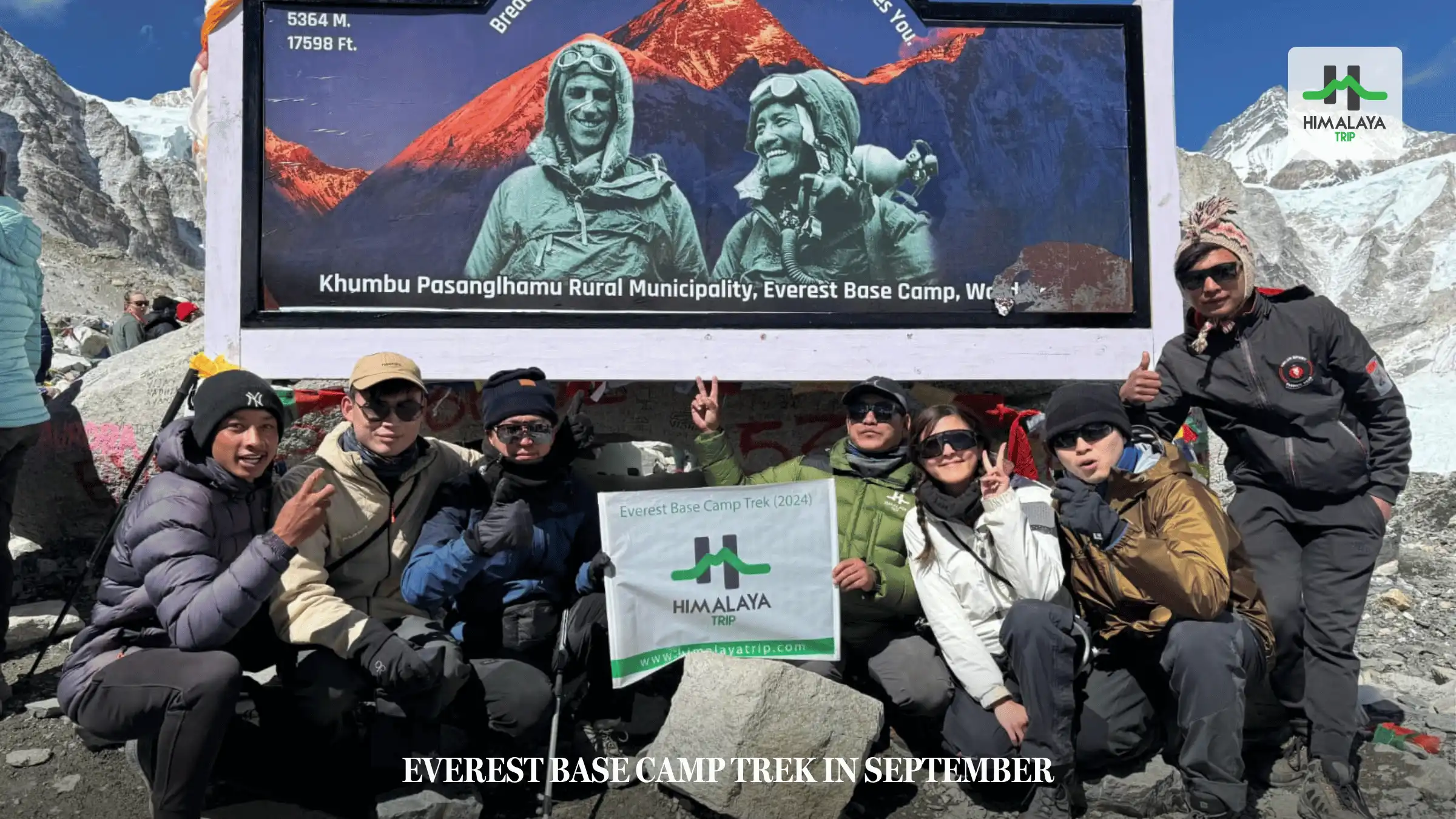
Everest Base Camp Trek in September
Everest Base Camp Trek in September is one of the best times to trek because it is the transition from Nepal’s monsoon season to the peak autumn trekking season. Daytime temperatures range from 10°C to 18°C at lower elevations, while nights near Everest Base Camp and Gorak Shep can drop to around -5°C to 0°C. The trek offers greener hillsides and fresh mountain air as the month progresses.
Early September still experiences the final effects of the monsoon. Light rain, clouds, and damp or slippery trails are common below 3,500 m. Flights to Lukla may also experience weather-related delays, so it’s recommended to keep one or two buffer days in your itinerary.
Late September brings a good improvement in trekking conditions as the monsoon completely withdraws. Skies become deep blue and crystal clear, mountain views are sharp, and rainfall is rare. Comfortable daytime temperatures and fewer trekkers than in October make late September one of the best periods for mountain photography and a peaceful Everest Base Camp experience.
Table of Contents
Weather During the Everest Base Camp Trek in September
The weather during the Everest Base Camp Trek in September improves as the month progresses. Temperatures are perfect for hiking during the day, but decrease with altitude. As monthly rainfall drops to approximately 100–120 mm, the Himalayan trails slowly dry out, providing a safer surface.
| Location & Elevation | Average Daytime Temp | Average Nighttime Temp | Weather Atmosphere |
|---|---|---|---|
| Lukla (2,845 m) | 13°C to 15°C (55°F – 59°F) | 6°C to 9°C (43°F – 48°F) | Warm, humid, occasional lower-valley showers |
| Namche Bazaar (3,440 m) | 10°C to 12°C (50°F – 54°F) | 4°C to 6°C (39°F – 43°F) | Comfortable hiking weather; light base layer sufficient |
| Dingboche (4,410 m) | 6°C to 8°C (43°F – 46°F) | -1°C to -3°C (26°F – 30°F) | Freezing nights; vegetation ends, crisp mountain air |
| Gorak Shep / EBC (5,180 m+) | 3°C to 5°C (37°F – 41°F) | -5°C to -10°C (14°F – 23°F) | Cold year-round; heavy winter layers needed at night |
How Busy Is the Everest Base Camp Trail in September?
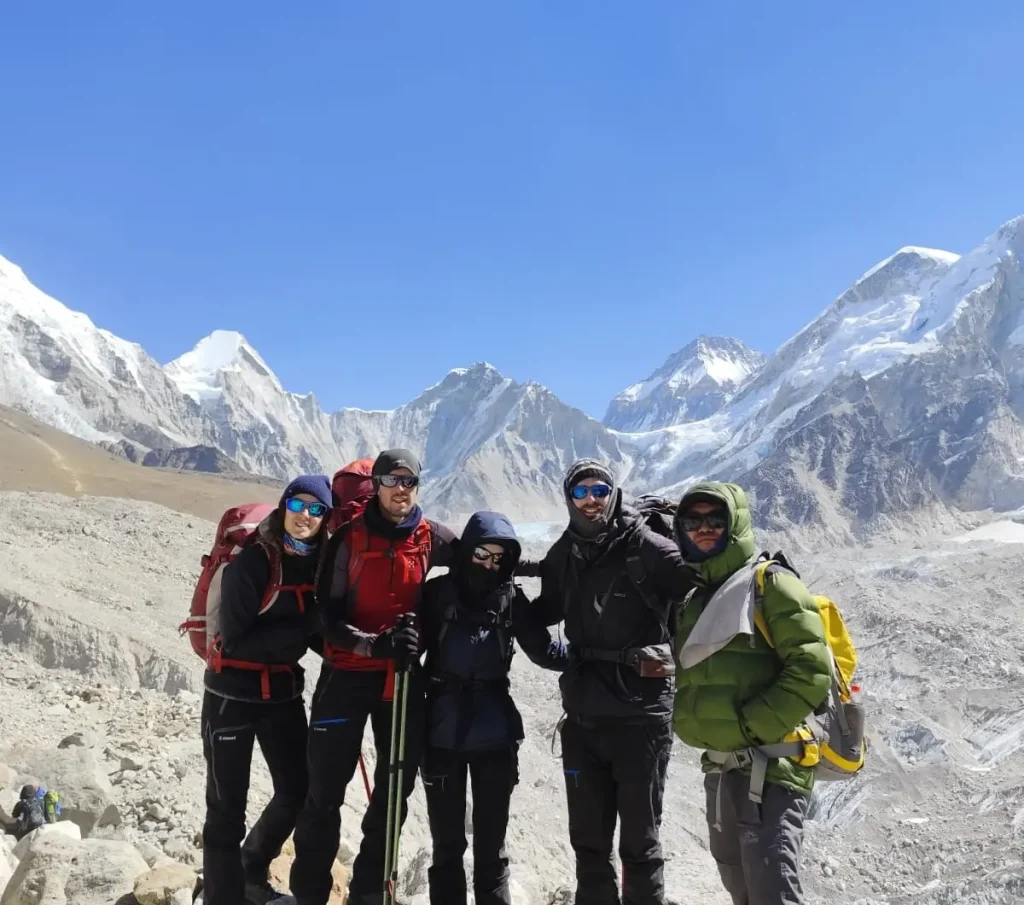
The Everest Base Camp trail in September has low to moderate trekking traffic. Early September is the least crowded period because the monsoon has only recently begun to withdraw. Many trekkers postpone their trips until October, so you can enjoy more time at popular stops such as Namche Bazaar, Tengboche, and Dingboche. Mid-September brings a rise in visitor numbers as weather conditions improve and international trekking groups begin arriving. By late September, the trail is fully crowded, but it is still less crowded than the peak weeks of October and November.
September also offers higher teahouse availability throughout the Everest region. Private rooms are easy to find, and advance booking is rarely necessary during the first half of the month. Even in late September, most trekkers can secure accommodation without difficulty unless they travel with a large group. The lower number of visitors also pushes lodge owners to provide quicker meal service and more personal hospitality.
Trail Conditions After the Monsoon
Trail conditions on the Everest Base Camp Trek in September improve as the monsoon season ends. Early September still has muddy areas and wet stone steps on the lower trail between Lukla, Phakding, and Namche Bazaar because these forest areas receive the highest monsoon rainfall.
Mule and yak caravans can make some parts of the trail softer after rain, so good trekking boots with grip are important. Once you climb above Namche Bazaar (3,440 m), the trail becomes drier as rainfall decreases with altitude. Around Dingboche (4,410 m) and higher, the route consists of gravel, rocky paths, and glacial moraine, where mud is rarely a concern.
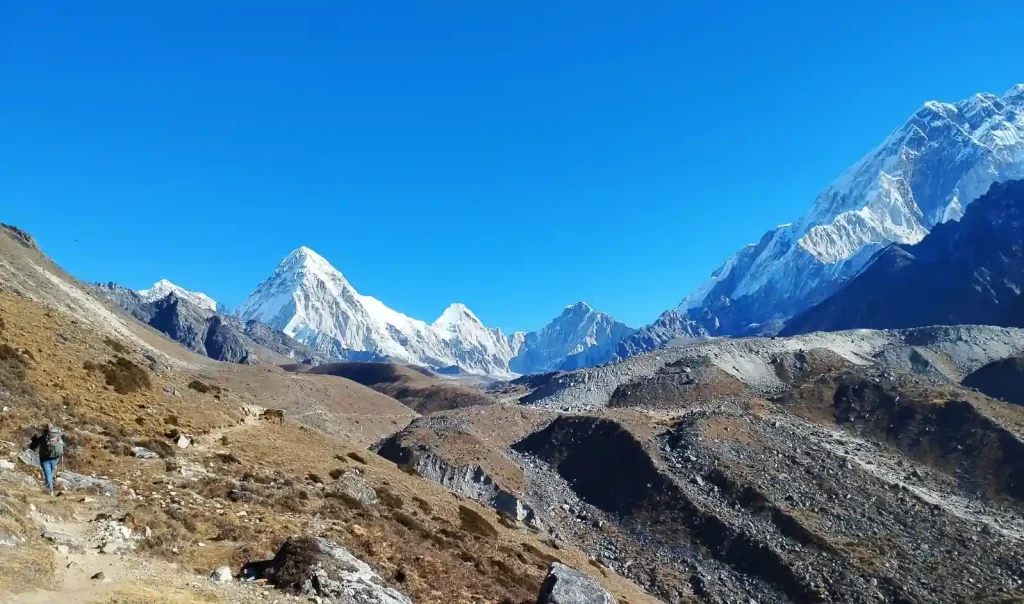
By late September, most trails are dry, firm, and easy to walk. The monsoon washes dust from the atmosphere, so the lower valleys are green with full rivers and waterfalls. A few areas between Phakding and Namche Bazaar may also have minor landslide damage after heavy summer rain.
Flight Conditions to Lukla in September
Flight conditions to Lukla Airport improve throughout September but are less consistent during the first half of the month. Early September can face delays or cancellations because monsoon clouds, valley fog, and low visibility affect flights. Aircraft operate under Visual Flight Rules (VFR), which means pilots must have clear visibility throughout the route. Even if the weather is clear at Lukla, flights may be delayed if clouds or fog cover the mountain passes between Kathmandu and the Everest region.
By late September, flight reliability improves as the monsoon withdraws. Calm morning weather increases the number of successful departures and reduces long delays, although weather can still change quickly in the mountains. During the autumn trekking season, scheduled Lukla flights are shifted from Kathmandu to Manthali Airport in Ramechhap to reduce congestion at Tribhuvan International Airport.
Everest Base Camp Trek Difficulty During September
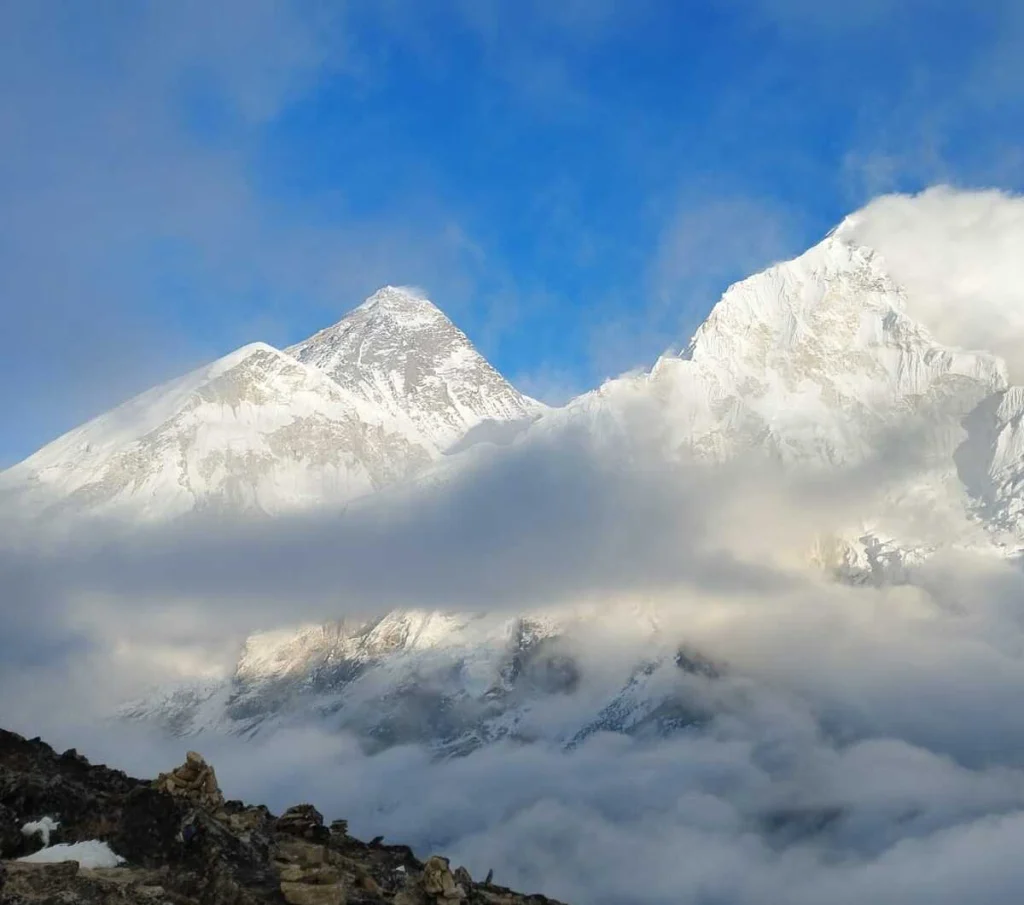
The Everest Base Camp Trek in September is moderately difficult. It does not need technical climbing or mountaineering experience, but it does require good physical fitness, stamina, and proper acclimatization. The trek begins at Lukla (2,845 m) and reaches Everest Base Camp (5,364 m), with an optional climb to Kala Patthar (5,545 m). At these elevations, the oxygen is about 50% lower than at sea level, which makes even a small uphill climb feel much more challenging.
September adds a few seasonal factors that affect the overall difficulty. Early September can be challenging because monsoon rain leaves some lower trails between Lukla and Namche Bazaar muddy and slippery. Wet suspension bridges need extra care and can slow your speed. Although daytime temperatures are comfortable for trekking, nights above 4,500 m fall below freezing.
September vs October for the Everest Base Camp Trek
October is the best month if you want perfect weather and views, while September is a better choice if you prefer fewer crowds and a greener environment. In the end, the choice depends on what matters more to you: better weather and views in October or uncrowded trails in September.
| Feature | September | October |
| Weather & Skies | Changing weather; rain early and drier weather later. | Peak autumn with cool, clear, and calm weather. |
| Mountain Visibility | Unsettled at first, then excellent by the last week. | Perfect, beautiful mountain views almost every day. |
| Trail Crowds | Low to moderate | Extremely high |
| Teahouse Lodging | Easy to book; private rooms easily available. | Highly competitive; communal dining room sleeping is common. |
| Natural Beauty | Lush green valleys and flowing waterfalls. | Earthy alpine scenery with a high-desert feel. |
| Lukla Flight Plan | Fly from Kathmandu (early) or Ramechhap (late). | Fly from Ramechhap (requires a 2 AM, 4-hour drive). |
| Flight Delay Risk | High (especially in the first two weeks). | Low (though morning fog can still cause minor delays). |
September vs Spring Trekking Season
Spring (March to May) is considered the best season for warm weather, higher success rates, and rhododendron blooms. Meanwhile, late September offers the best conditions for clear autumn skies, green landscapes, and fewer crowds. The table below provides a clear comparison of these two seasons.
| Feature | September (Post-Monsoon Transition) | Spring Season (March–May) |
| Climber Energy | Low; Base Camp is mostly empty of tent cities. | Maximum, Base Camp is a busy expedition hub at the foot of Everest. |
| Scenery & Flora | Green valleys, full of waterfalls, dust-free air. | Rhododendron blossoms (lower trails), dry alpine upper areas. |
| Trail Traffic | Low to moderate | Extremely high |
| Mountain Clarity | Excellent clarity in the late month. | Clear mornings, but afternoon haze/clouds build up frequently. |
| Temperatures | Mild and humid early on, cooling down quickly. | Slowly warming up; May offers the warmest high-altitude trekking. |
| Precipitation Risk | Remaining monsoon rain showers (mostly early September). | Rare spring snowstorms at high altitudes. |
What to Pack for the Everest Base Camp Trek in September
To pack effectively for the Everest Base Camp trek in September, you need to prepare for two environments: the humid and potentially wet lower trails, as well as the cold, windy conditions of the high-altitude alpine zone. The table below outlines the necessary items for a successful trek.
| Category | Item Name | September Purpose |
| Base Layer |
Merino Wool / Synthetic Tops & Bottoms (2–3 sets) Moisture-Controlling Sports Undergarments (4–5 pairs) |
Manages sweat; keeps you warm without retaining moisture. Dries overnight in unheated teahouse rooms. |
| Insulation |
Fleece Jacket (1 piece) Heavy Down Jacket (Rated to -10°C / 14°F) (1 piece) Trekking Pants (2 pairs) |
Perfect outer layer for daytime trekking. Essential for cold, unheated dining areas in the evenings. Adaptable for hot lower valleys and cool upper valleys. |
| Outer Shell |
Waterproof Jacket (1 piece) Waterproof Rain Pants (1 pair) |
Protects you from early-September rain. Slips on easily over pants during the rain. |
| Footwear |
Waterproof Hiking Boots (Broken-in) (1 pair) Merino Wool Hiking Socks (4–5 pairs) Light Camp Shoes / Sandals (1 pair) |
Prevents slips on damp stone steps and muddy lower trails. Provides thick padding for blister protection. Lets your feet breathe and dry out at the end of the day. |
| Extremities |
Glove Liners & Heavy Outer Gloves (1 pair each) Sun Hat & Warm Fleece Beanie (1 each) |
Protects fingers from high-altitude frost and wind. Blocks high-altitude UV rays and traps body heat. |
| Gear |
4-Season Sleeping Bag (Rated to -10°C) (1) 50L–60L Backpack (or 30L Daypack with Porter) (1) Waterproof Pack Cover (1) Adjustable Trekking Poles (1 pair) LED Headlamp (with extra batteries) (1) |
Keeps you warm when lodge rooms become extremely cold. Provides space for daily supplies, warm layers, and rain gear. Keeps your spare clothing dry. Saves your knees and provides stability on slippery trails. Important for a pitch-black, pre-dawn climb up Kala Patthar. |
| Health |
High-SPF Sunscreen & Lip Balm Medical Kit (Diamox, Blister Pads, Ibuprofen) |
Prevents severe skin burns. Manages altitude symptoms, muscle pain, and trail cuts. |
| Logistics |
Power Bank (20,000mAh+) (1–2) Nepali Rupees (NPR Cash) (ample) |
Avoids costly hourly charging fees at mountain lodges. Pays for hot water, Wi-Fi tokens, and snacks. |
Conclusion
A successful Everest Base Camp trek in September depends on good timing. Start hiking between 6:00 AM and 7:00 AM to enjoy the morning weather, as clouds and light rain develop later in the day. Aim to reach your destination teahouse by 1:00 PM before afternoon weather changes.
Since September is a transition month, proper planning is important. Himalayatrip offers experienced guides and customized itineraries to make your trek safe and interesting. Contact our team to plan your post-monsoon Everest Base Camp adventure.

Everest Base Camp Helicopter tour
1 Days
USD 1,225 per person

Everest Base Camp Trek
12 Days
Adventure Treks
USD 1,249 per person

Everest Three Passes Trek
17 Days
Adventure Treks
USD 1,549 per person