Winter and Monsoon Special Offer! Get 5% off on all trekking packages in Nepal . Visit during June , July, August, December , January and February and take advantage of this limited-time deal.

Everest Base Camp with Kids
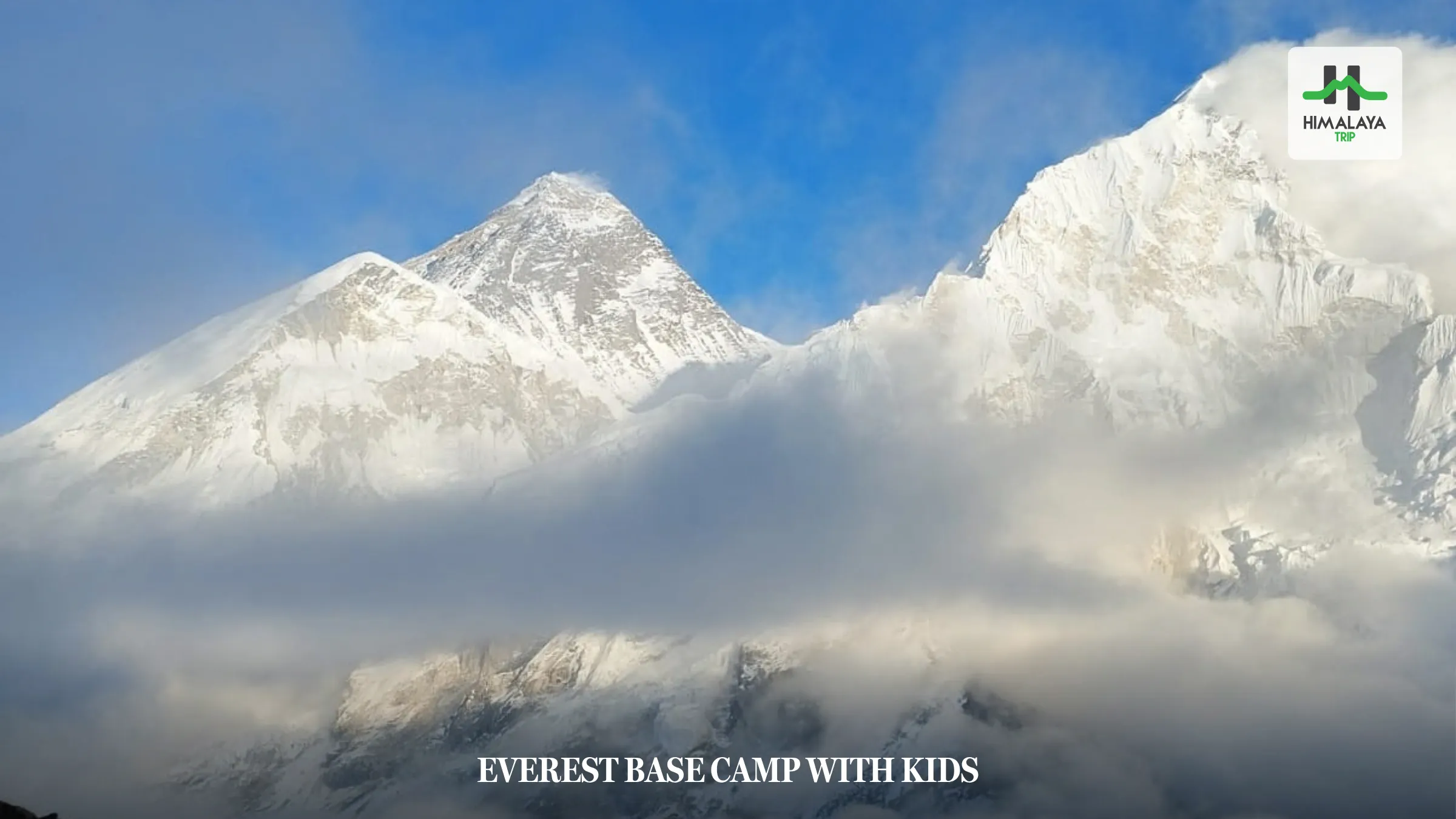
The Everest Base Camp trek with kids is possible for most healthy children aged 10 and older, and it has even been done successfully with children as young as 2, though that is rare and needs extra care. A doctor should always check and confirm your child is fit before you book the trip. Many families choose to bring a child around age 7 or 8, since kids at this age can usually walk for several hours a day and understand simple safety instructions.
This trek is not something you should decide to do suddenly. It is a 12- to 15-day walk that slowly climbs to 5,364 m, and on the way, families add one or two extra rest days beyond the standard plan to adjust the children’s bodies safely. At high altitude, the air has less oxygen, and this can affect anyone, no matter their age or fitness level, so children need to be watched closely for signs of altitude sickness like headaches, tiredness, or loss of appetite.
Table of Contents
Is Everest Base Camp Suitable for Kids
Yes, Everest Base Camp can be suitable for children, but only if they are closely monitored throughout the trek. At Everest Base Camp (5,364 m), atmospheric pressure drops significantly, with 50% less oxygen per breath compared to sea level. Children’s bodies handle physical activity differently, and younger kids may not be able to recognize or explain the early signs of altitude sickness.

Despite these challenges, children complete this trek every year. For a child to complete this journey safely, parents must evaluate three key indicators:
- Stamina: Ability to hike 5 to 7 hours daily over rocky surfaces for 12 to 14 consecutive days.
- Health: No breathing problems, active asthma, or severe sensitivity to cold.
- Communication: Ability to tell you when they have a headache, feel sick, or have cold toes.
Everest Base Camp Altitude and Kids
Children can be affected by high altitude more easily when they climb too quickly. Normal adult trekking routes gain height quickly after Namche Bazaar, which can raise the risk of Acute Mountain Sickness (AMS) in children. Taking enough time to acclimatize can reduce the risk of AMS by more than 80% across different age groups.
| Location | Elevation (Meters) | Elevation (Feet) | Effective Oxygen Level | Recommended Stay for Kids |
| Lukla | 2,860 m | 9,383 ft | 72% | Pass through |
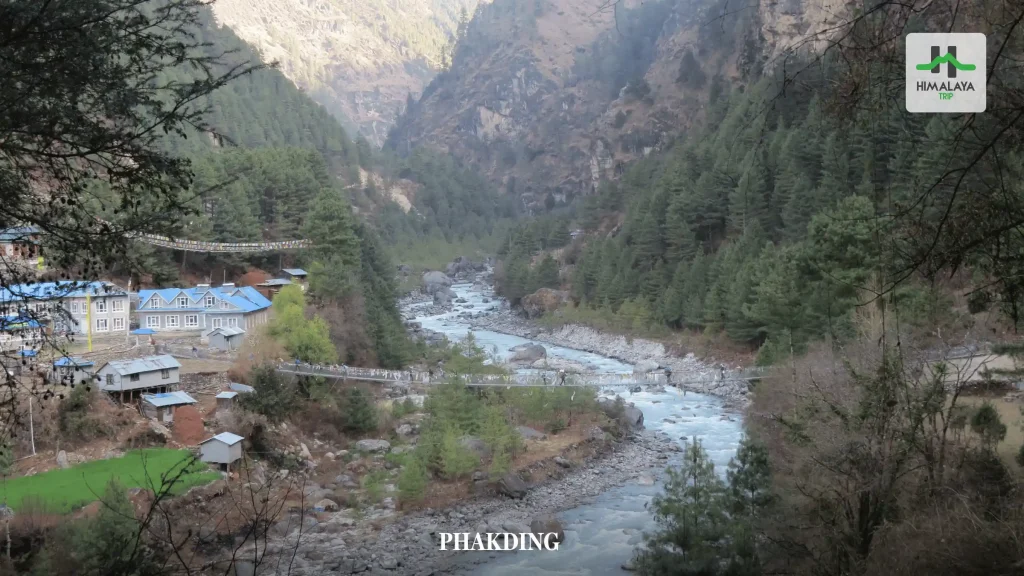
| Phakding | 2,610 m | 8,562 ft | 74% | 1 Night |
| Namche Bazaar | 3,440 m | 11,286 ft | 68% | 3 Nights (2 acclimatization) |
| Deboche / Tengboche | 3,860 m | 12,664 ft | 64% | 1 Night |
| Dingboche | 4,410 m | 14,468 ft | 59% | 3 Nights (1 acclimatization) |
| Lobuche | 4,940 m | 16,207 ft | 55% | 1 Night |
| Gorak Shep | 5,164 m | 16,942 ft | 53% | 1 Night |
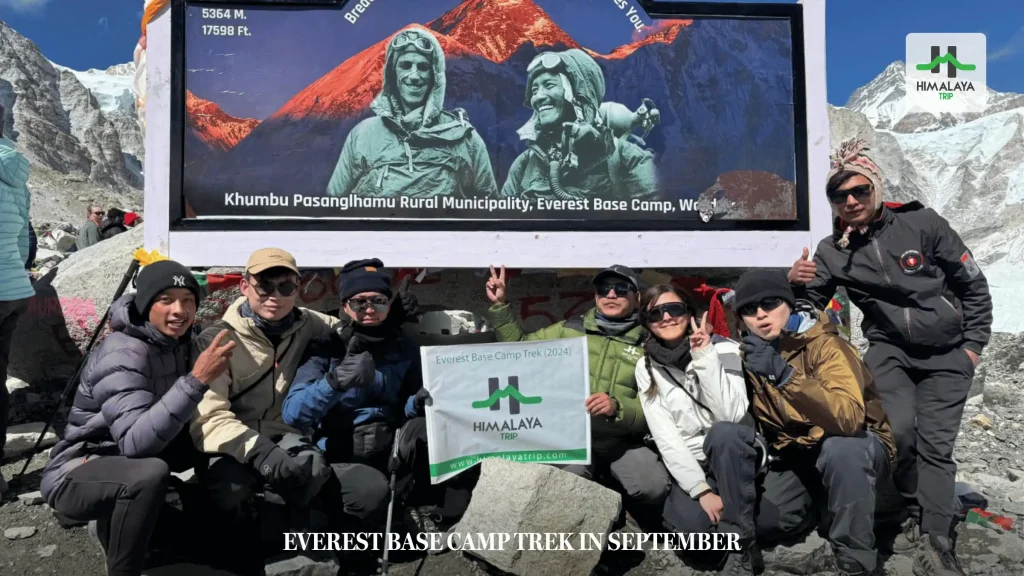
| Everest Base Camp | 5,364 m | 17,598 ft | 50% | Day Visit Only |

Everest Base Camp Trek
14 Days
Adventure Treks
USD 1,349 per person

Everest Base Camp Helicopter tour
1 Days
USD 1,225 per person

Everest Base Camp and Gokyo Lakes Trek
15 Days
Adventure Treks
USD 1,449 per person
What Is the Best Age for Everest Base Camp
A child’s age affects the planning, safety measures, and chances of successfully completing a high-altitude trek. Let’s take a clear look at the best age for the EBC trek.
Younger Children
Children aged 2–7 need constant care and may need to be carried. Carrying a child above 4,000 meters can be risky, and young children who do not walk much may get cold more easily, which increases the risk of hypothermia and frostbite.
School Age Children
Children aged 8 to 12 are a good age for their first major Himalayan trek. They can follow trail safety rules, carry a light backpack, and tell you when they feel tired or have pain. However, they should have an expanded itinerary with shorter walking days of about 3–4 hours to avoid getting too tired.
Teenagers
Teenagers aged 13 to 17 are physically strong enough to complete the standard EBC route. However, pacing can be a challenge. Teenagers who are not used to trekking may walk too fast uphill and get tired quickly, which can also increase the chance of headaches at high altitudes. Therefore, explain these risks to them so they can understand the consequences and prepare themselves properly.
How Should Kids Train for Everest Base Camp
Preparation should start 3 to 6 months before the trek. Focus on building stamina and helping children feel comfortable with long outdoor activities instead of heavy weightlifting.
- Weekend Day Hikes: Schedule 4 to 6-hour walks on local trails with continuous inclines and declines.
- Stair Climbs: Practice walking up and down stairs twice a week wearing standard trekking boots.
- Gear Familiarization: Make sure your child wears their actual trekking boots and daypack during training to avoid blisters and discomfort on the trail.
- Weather Preparation: Let children hike in rain, cold, and wind so they learn how to stay warm and comfortable in proper outdoor clothing.
Do You Need to Hire a Guide and Porter
Attempting the Everest Base Camp trek with kids without professional support brings unnecessary safety risks. Under Nepal Tourism Board rules, all foreign trekkers in national parks must hire a licensed guide. For families, support staff play specific roles:
- Licensed Guides: Watch children for early signs of altitude sickness, manage route pacing, order safe meal options, and coordinate emergency evacuations if needed.
- Porters: Carry heavy gear bags (limited to 10–12 kg per client) so parents can focus on helping their children walk safely.
- Assistant Guides (Siddar): Highly recommended for families with multiple children. If one child feels unwell and must descend, an assistant guide can escort them down while the lead guide remains with the rest of the family.
At Himalaya Trip, family itineraries have trained guides who know how to keep children safe, maintain a slow speed at high altitudes, and manage their special trekking needs.
What If a Child Gets Altitude Sickness
Acute Mountain Sickness (AMS) can turn into severe conditions like High Altitude Pulmonary Edema (HAPE) or High Altitude Cerebral Edema (HACE) if ignored. Children show AMS through clear physical indicators:
- Loss of appetite or refusal to eat favorite snacks
- Uncharacteristic irritability, crying, or lethargy
- Dizziness, vomiting, or headaches
- Inability to walk in a straight line (ataxia)
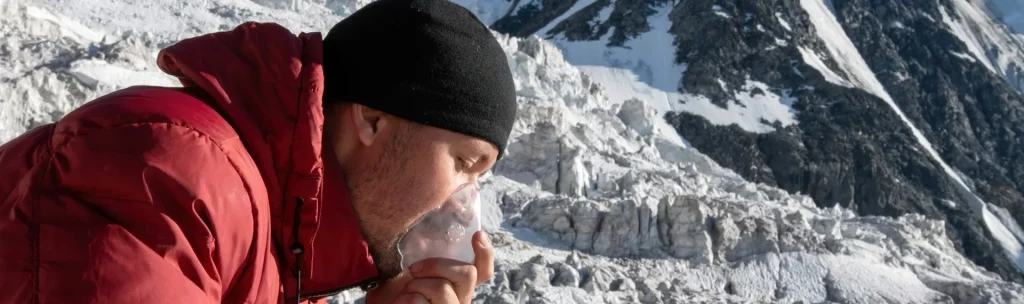
Never give children altitude medications like Acetazolamide (Diamox) without direct instruction from a qualified doctor or a mountain medicine clinician from theHimalayan Rescue Association aid posts in Pheriche. The primary remedy for altitude sickness is immediate descent.
Is Everest Base Camp Better Than an Easier Family Trek
Everest Base Camp is famous, but other family treks in Nepal offer lower altitudes, shorter walks, and fewer health risks while still providing beautiful mountain views. Let’s take a clear look at these options:
| Trek Name | Max Elevation | Typical Duration | Difficulty for Kids | Advantage for Families |
| Everest Base Camp | 5,550 m | 15–16 Days | High | Direct view of Everest |
| Annapurna Poon Hill | 3,210 m | 4–5 Days | Low to Moderate | Low altitude risk; short daily walks |
| Langtang Valley | 3,870 m | 7–8 Days | Moderate | Less crowded; rich Tamang culture |
| Everest View Trek | 3,880 m | 7–9 Days | Moderate | See Everest without the high-altitude danger |
How to Keep Kids Motivated on the Trek
Children may feel frustrated when they get tired, so use simple and planned ways to keep them motivated and make the trek more engaging.
- Micro-Goals: Break the daily walk into short segments between tea houses (e.g., “We walk 45 minutes to the next bakery for hot chocolate”).
- Audiobooks and Music: Download offline audiobooks and music playlists for long walks.
- Wildlife Spotting: Challenge children to spot local animals, such as Himalayan Tahr, Musk Deer, Danphe (national bird), and Yaks.
- Cultural Interaction: Encourage kids to learn basic Nepali phrases (“Namaste”, “Dhanyabad”) to converse with local Sherpa children in villages.
EBC Records Set by Kids
People mention children’s ages when talking about family treks, so it is important to separate verified records from claims shared by parents or local media.
Carter Dallas, Age 2
In October 2023, Carter Dallas, then 2 years old, reached Base Camp on his father Ross Dallas’s back, with his mother Jade trekking alongside. The family is believed to have made him the youngest person ever to reach Everest Base Camp based on family and media reports.
Zara Šifra, Age 4
Zara Šifra, a 4 year old from the Czech Republic, walked the full route herself in early 2024, unsupported, according to her father David Šifra. He told reporters that Zara was believed to be the youngest to complete the climb. She walked the trek on her own without support, while she and her seven-year-old brother covered around 274 km on the round trip. Her father said that her regular 5–10 km walks in Malaysia helped prepare her.
Prisha Lokesh Nikajoo, Age 5
Before Zara, Prisha Lokesh Nikajoo was reported to be the youngest person to reach Everest Base Camp at age 5 in 2023. However, this record was based on family and media reports and was not officially confirmed by a records organization.
Siddhi Mishra, Age 6
Siddhi Mishra, from Bhopal, India, is recognized as the youngest person to climb to Everest Base Camp, a claim backed by a certificate from Expedition Himalaya and a listing in the 2024 India Book of Records. Her mother, Bhawna Dehariya, is a mountaineer who summited Everest itself in 2019, so Siddhi trained under a parent with direct high-altitude experience.
Permits and Paperwork for Trekking with Children
Nepal’s permit system gives young children a break on cost, which is a small but useful signal of how the system is set up around families.
| Permit | Cost for adults (foreign nationals) | Children under 10 |
| Sagarmatha National Park Entry | NPR 3,000 per entry plus 13% VAT | Free |
| Khumbu Pasang Lhamu Rural Municipality fee | NPR 3,000 for the first four weeks | Free |
Children 10 and older need the same permits as adults, at the same cost, so budget accordingly once your child crosses that threshold. Rules and fees are set by Nepal’s Department of National Parks and Wildlife Conservation and local municipal authorities, and they do change, so confirm current figures before you book.
Packing List for Kids
Keeping children warm and dry is important. Avoid cotton clothes because they hold moisture and can make children cold quickly. Take a look at the table below to learn what to pack for kids:
| Gear Category | Recommended Items |
| Base Layers | 2-3 pairs of Merino wool thermal tops and bottoms |
| Mid Layers | 2 Fleece jackets or down sweaters |
| Outer Layers | 1 Waterproof/windproof shell jacket and pants |
| Insulation | 1 Down parka (-15°C to -20°C rated) |
| Footwear | Broken-in waterproof trekking boots, 4x wool socks |
| Hands & Head | Fleece beanie, sun hat, waterproof insulated mittens |
| Sleeping | -15°C rated sleeping bag + fleece liner |
| Sun Protection | Category 3 or 4 UV sunglasses, SPF 50+ sunscreen |
Conclusion
Trekking to Everest Base Camp with your kids is not about breaking records. It is a challenging high-altitude trek, but children can complete it safely with good planning. Plan the trek based on your child’s age, fitness, and ability to tell you how they feel, rather than comparing them with very young children who have completed the trek.
If you want to plan a family trek that matches your child’s walking speed instead of following a standard adult schedule, talk to the Himalaya Trip team about a child-friendly Everest Base Camp route before booking your flights.