Winter and Monsoon Special Offer! Get 5% off on all trekking packages in Nepal . Visit during June , July, August, December , January and February and take advantage of this limited-time deal.


Dhunche To Gosaikunda Distance
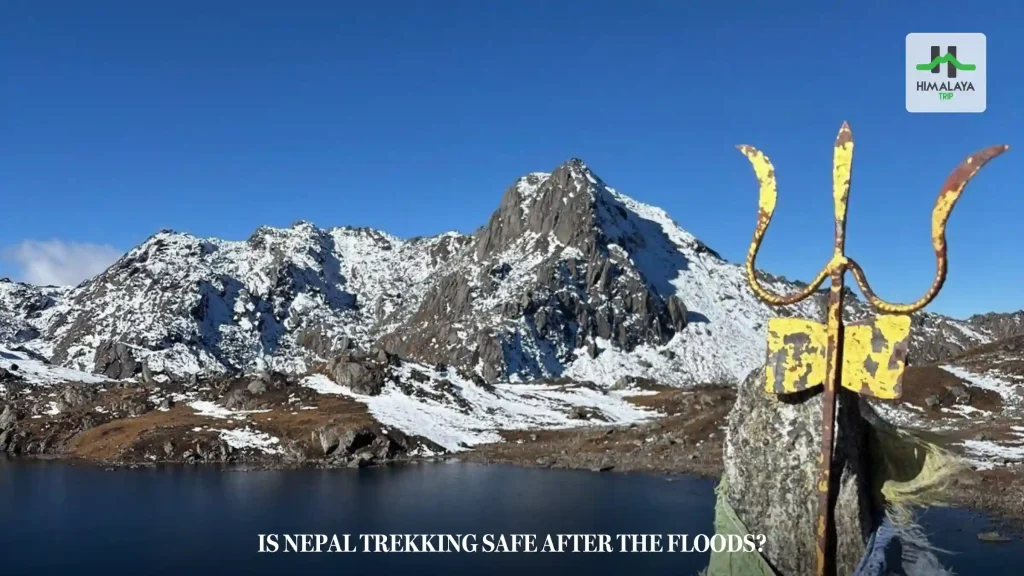
The Dhunche to Gosaikunda Distance is approximately 18 kilometers. The Dhunche to Gosaikunda Trek is a well-known trekking route in the Langtang region of Nepal. It is a moderate to difficult trip that takes you through lush forests, alpine meadows, glacier lakes, and stunning Himalayan scenery. The trek begins in Dhunche, a tiny village 117 kilometers north of Kathmandu.
The route takes you past various traditional Tamang villages, where you may learn about their distinct culture and way of life. Along the trip, you’ll see several Buddhist monasteries, Chortens, and prayer flags. The trek concludes in Gosainkunda, a holy lake at 4,380 meters. The trek is typically done in four to five days, depending on your pace and itinerary.
This walk is best done between March and May and between September and November when the weather is dry and stable. During these months, you may enjoy clear mountain vistas and pleasant. This trek has some stiff climbs and decent, high-altitude hiking. You should be in excellent physical shape and have some prior trekking experience for this trek. You should hire experienced trek guides and porters to ensure your comfort.

Distance Between Dhunche and Gosaikunda
To reach Dunche to Gosainkunda, you will have to trek about 18 kilometers. You can either trek this in a single day (recommended only if you are physically fit) or take a two-day hike while resting at Sing Gompa. If you are trekking in a single day, you should hike for about 8 to 9 hours. However, the time is broken down if you choose a 2-day itinerary. Here is a breakdown of the total distance and duration to trek from Dhunche to Gosainkunda:
| Day | Route | Distance (km) | Duration (hours) |
| 1 | Dhunche to Sing Gompa | 10 | 5 to 6 |
| 2 | Sing Gompa to Gosainkunda | 8 | 4 to 5 |
Langtang Gosaikunda Trek Fact
- The word “Langtang” has a hidden meaning in Tibetan dialects: “Lang” means yak, and “Teng” means follow. This makes sense because you’ll see many yaks in the upper Langtang Valley.
- Langtang borders Tibet, an autonomous region of China, and is home to about 4,500 people, mostly the Tamang ethnicity.
- Every July, 10,000 visitors come to Gosaikunda Lake for a big ceremony during Janai Purnima, celebrating the lake’s religious significance.
- Langtang National Park boasts incredible diversity with 18 ecosystems, from tropical forest at 1,000 meters to alpine scrub at 3,000 meters to perennial ice at 5,000 meters.
How Challenging is the Gosaikunda Trek?
The Gosaikunda trek can be quite challenging. It would help if you hiked through steep and rocky paths in the Himalayas, often at high altitudes where the air is thin. The terrain of trails can be rough, with uphill climbs and downhill stretches that can be tough on your legs. Altitude sickness is also a concern for some people due to the heights they reach. You must have good physical fitness and proper preparation to handle the trail’s difficulty.
To elaborate, the Gosaikunda trek typically spans around 5 to 7 days, depending on your pace and itinerary. It is not just the physical exertion that makes the trek demanding; it is also the fluctuating weather conditions that trekkers must endure. Temperatures can drop significantly, especially at night, so warm clothing is essential. The high-altitude lakes, including the sacred Gosaikunda Lake itself, are often surrounded by snow, adding to the trek’s beauty and difficulty.

The lack of oxygen at higher altitudes can also lead to altitude sickness, a severe condition affecting even experienced trekkers. Symptoms like headaches, nausea, dizziness, and shortness of breath can impact your ability to continue. Acclimatizing properly is crucial by taking gradual ascents and ensuring adequate hydration and rest.
Most Popular Trekking: Langtang Gosaikunda Trek
Gosaikunda Trek Route – 5 Days
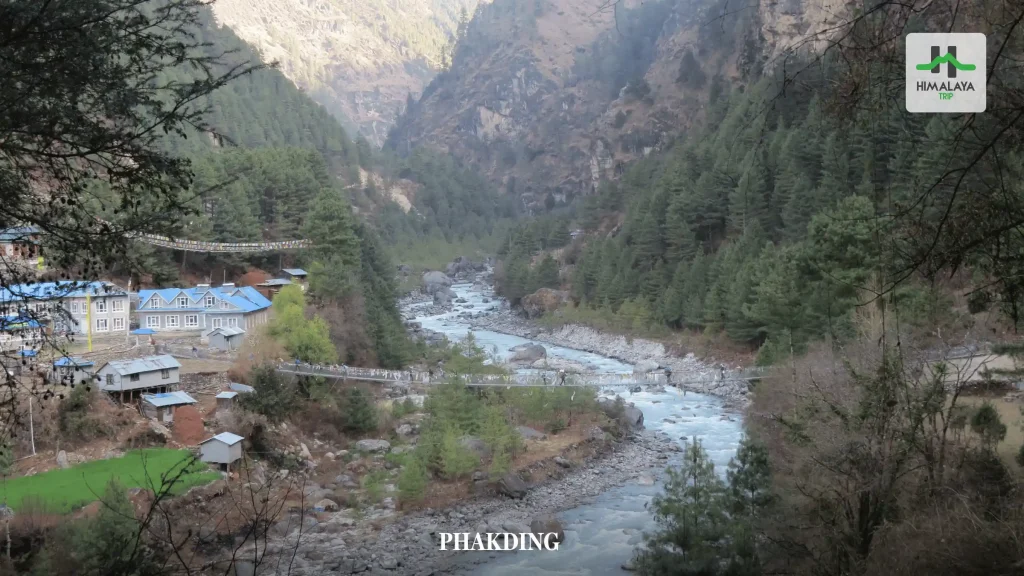
Our Gosaikunda trek begins with a drive from Kathmandu to Dhunche. You can enjoy driving with a great countryside view despite the poor road conditions. Most of the road is not blacktopped, including the Dhunche headquarters of Rasurva, where you’ll spend the night. The hike also begins in Dhunche the following day, and the path is covered with bamboo bushes and rhodendron trees. Cholangpati is where you will spend the night before heading to Gosaikunda.

Langtang Gosaikunda Trek
13 Days
Trekking
USD 749 per person
Another notable feature of this journey is the viewpoint at Goisaunda, where you can see the Langtang Himalayan Range. Returning from here to Dunche takes another two days. The Gosaikunda trek itinerary we will offer is four days, meaning you will walk for four days. Some of you can even do it in 3 days, but the Gosaikunda trip in 3 days is difficult.
What can you see from Dhunche to Gosaikunda Trek?
The Gosaikunda trek is a popular trek that provides a diverse mix of Himalayan landscapes, including lakes, national parks, and wildfires. Gosaikunda Lake is located in the Langtang National Park. It is home to endangered animals such as the red panda, Himalayan mountain bear, musk deer, Himalayan wild goats, and snow leopards. While trekking/hiking to Gosaikunda Lake, you may see rhododendrons, orchids, magnolia, and other plant species.
During the Gosainkunda Lake walk, you can see the majestic Langtang Lirung (7246 Meters), Gangchhenpo (6388 Meters), Dokpu Peak (5930 Meters), Naya Kangri (5846 Meters), Yala Peak (5500 Meters), Ganesh Himal, Mt Manaslu (8,153 Meters) and many more peaks. If you take the Gosaikunda pass, you will see the charming Melamchi village, Dorje Lakpa, and Jugal Himal. If you pass the Gosainkunda Lake, you’ll arrive at Helambu.
Best Time for the Trek
The best times to trek in Gosaikunda are spring (March-May) and autumn (September-November). Trekking to Gosaikunda is always possible, although it is better to have an enjoyable journey if the weather is pleasant. Spring is also known as the flower-blooming season in Nepal. This is the second-best season for trekking in Nepal. Along the way, you can see the whole forest covered with flowers such as rhododendrons and magnolia in the forest National Park. The weather is pleasant, with a meager chance of rainfall and snowfall.
Another best season to start Dhunche via the Gosaikunda trek is autumn since the weather and temperature are ideal for trekking activities across Nepal. The days are typically bright, and you can see the beautiful mountain views throughout the day. This is the most excellent time to start your trek and discover Nepal’s mountains. In Kathmandu and other towns, the weather is neither hot nor cold, but in the mountains, the cold season begins gradually.
Required Permits
Like other Nepalese treks, the Gosainkunda trek is inside the Langtang National Park, so you must get permits before beginning your journey. The Nepals Army cares deeply about the National Park and takes full responsibility for visitors who miss or attack the wildlife while hiking the Gosaikunda trek.

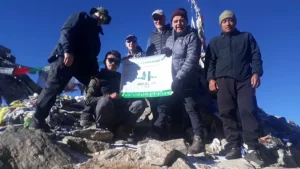
Twelve day trekking up the Langtang valley and over the Gosiakunda Pass.
Very much like to add my review to the many others as well as endorse the opinions of my fellow travellers. Harka provided a first rate service organising our 12 day trek to Langtang and the Gosiakunda Pass. He personally picked us up from the airport and delivered us to our hotel in Kathmandu. He booked all the accommodation and transport. His suggestion to hire a driver and 4×4 to the start point at Syabrubesi was a very good call. He was entirely reliable and completely trustworthy in every way. On the actual trek, our guide Joy and porters Misak and Markus were highly organised, engaging and always in good spirits. It was physically challenging over the terrain and we had to deal with the effects of altitude, but with Joy’s attention and careful pace-setting, we achieved everything we hoped to and got the experience of our lives. Thanks to all our Nepalese friends – great ambassadors for they country as well as highly professional support.
UK, Oct 2023
It would help if you got a National Park permit at the Army checkpoints at the Dhunche, Ghoda Tabela, and Trisuli Hydropower dams. It would be best if you had your passport for the licenses. A Langtang National Park entry permit is necessary for this trek, and you must pay NPR 3000. You should also have a TIMS card, which you can get from a registered trekking agency or Tourism Board in Kathmandu. It costs NPR 2000.
Trek Difficulty
The Gosaikunda trek starts from Dhunche at 2000 meters and reaches Gosaikinda at 4380 meters. It is a moderate trek. The total trek distance is about 117 kilometers, including a bumpy 35-kilometer road from Trishuli to Dhunche. A typical 5-day itinerary involves daily walks of 5-7 hours. It can be challenging for you if you are not used to walking or being physically fit. It would be best to prepare for trekking by hiking, climbing, and jogging beforehand.

Altitude sickness, or Acute Mountain Sickness (AMS), is expected during high-altitude treks above 3000m. The Gosaikuda trek starts at 2000 meters in Dhunche and goes up to 4380 meters at Gosaikunda, so awareness of AMS is crucial. So, you should drink plenty of water and take a slow pace to avoid the problem.
Conclusion
Taking you to the diverse landscapes and high altitudes, the distance from Dhunche to Gosainkunda can be conquered in a two-day itinerary. The starting point, Dhunche, resides at 2000 meters. In the span of 2 days time, you will reach 4380 meters at Gosainkunda. This can be quite a challenging part for many people, as it increases the risk of getting altitude sickness with instant altitude gain.
Therefore, you should take it slow and always consider completing this challenging path in 2 days. Besides that, you should be very prepared to tackle the difficulties. You should be physically and mentally prepared. Additionally, hiring a guide is recommended to enhance your safety and have a memorable, hassle-free journey. Upon reaching Gosaikunda, every obstacle feels worth it, with the beautiful views of land reflecting the Himalayas.