Winter and Monsoon Special Offer! Get 5% off on all trekking packages in Nepal . Visit during June , July, August, December , January and February and take advantage of this limited-time deal.

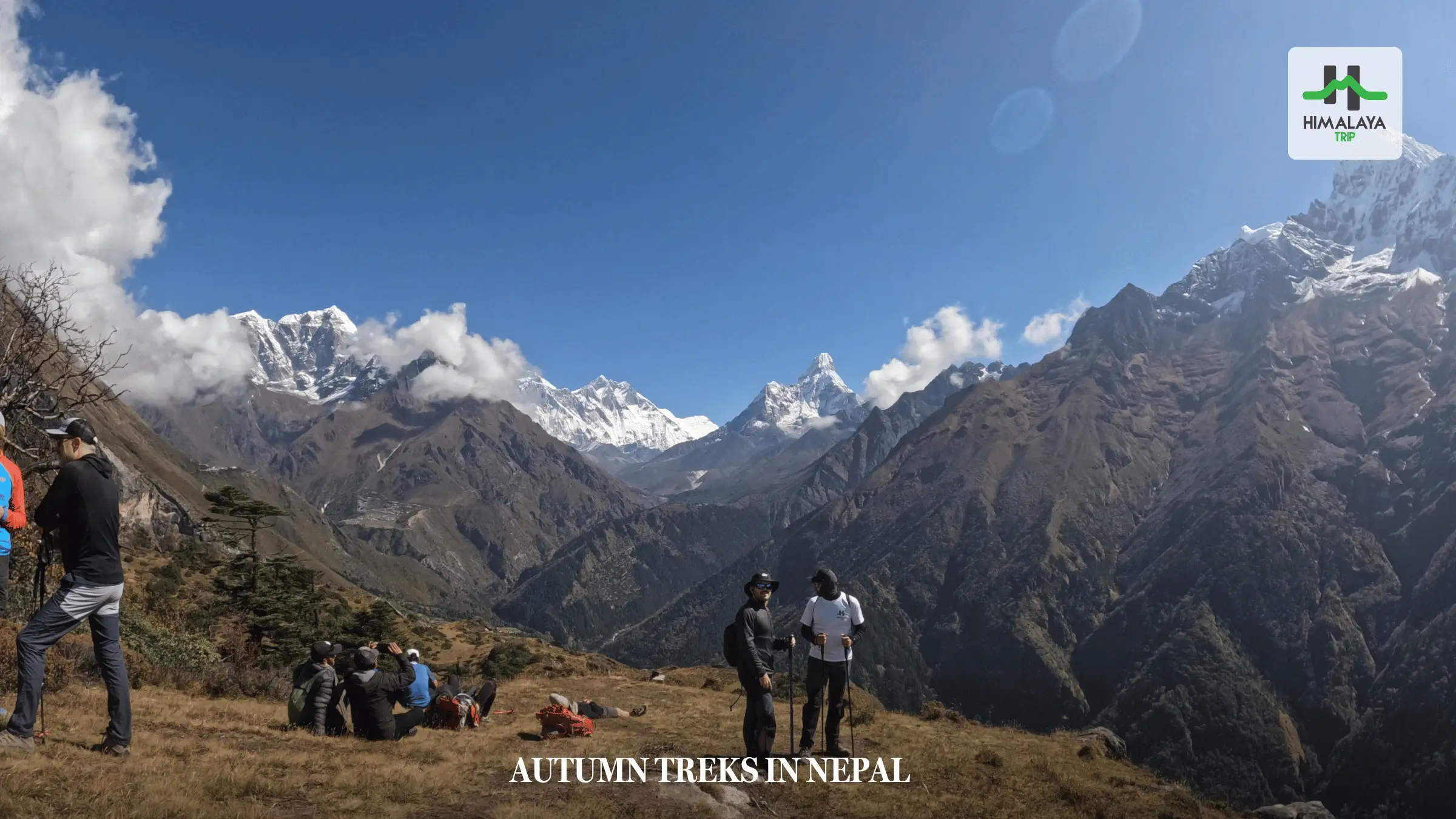
Autumn Treks in Nepal
Planning a mountain trip after the monsoon can be confusing because there are many itinerary options and different advice about the trails. The best autumn treks in Nepal are the Everest Base Camp Trek, Annapurna Circuit Trek, Manaslu Circuit Trek, Langtang Valley Trek, Annapurna Base Camp Trek, and Mardi Himal Trek. These six routes deliver dry trail conditions, clear mountain views, and moderate daily temperatures between September and November. Choosing the right route depends on your fitness, the time you have, and whether you prefer well-known trails with tea houses or less-developed routes.
Selecting an unsuitable trail during peak autumn season causes serious logistical issues. You risk booking overcrowded tea houses where sleeping spaces fill up by midday, or choosing a high mountain pass that exceeds your technical preparation. High elevation passes such as Thorong La (5,416 m) needs strict acclimatization schedules. Without precise data on elevation gains, daily walking distances, and seasonal permit rules, a long-planned trip can end early due to altitude sickness or physical exhaustion.
Table of Contents
Autumn Trekking Routes in Nepal
| Trek Name | Duration | Max Elevation | Difficulty Level | Primary Permit Required |
| Everest Base Camp | 14 Days | 5,545 m (Kala Patthar) | Moderate to Strenuous | Sagarmatha Entry Permit |
| Annapurna Circuit | 10 Days | 5,416 m (Thorong La Pass) | Strenuous | ACAP |
| Manaslu Circuit | 11 Days | 5,106 m (Larkya La Pass) | Strenuous | Manaslu Restricted Permit |
| Langtang Valley | 8 Days | 4,700 m (Kyanjin Ri) | Moderate | Langtang National Park Permit |
| Annapurna Base Camp | 7 Days | 4,130 m (Annapurna Base Camp) | Moderate | ACAP |
| Mardi Himal | 4 Days | 4,500 m (Mardi Himal Base Camp) | Moderate | ACAP |
Six Top Routes for Autumn Trekking
Everest Base Camp Trek
The Everest Base Camp route leads through the Khumbu region, starting with a flight to Lukla at 2,860 m. You walk through Namche Bazaar, Tengboche Monastery, and Gorak Shep before reaching the base camp of Mount Everest at 5,364 m.
- Stats: Duration is 14 Days, total walking distance is 130 km, peak elevation is 5,364 m.
- Verification Note: Trail access is monitored by the Sagarmatha National Park entry registry
- Guide Insight: “The post-monsoon air in October reduces dust and offers beautiful views of Everest and Ama Dablam.”
Annapurna Circuit Trek
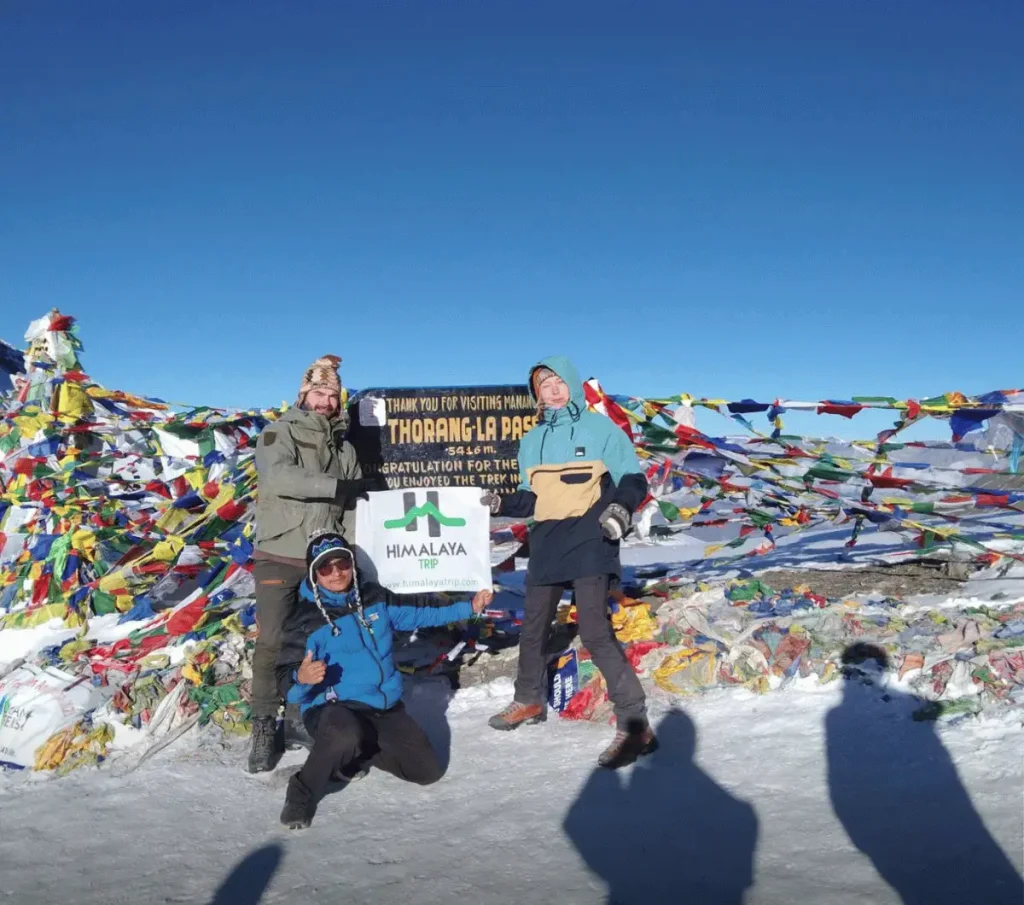
The Annapurna Circuit Trek route roams around the Annapurna massif, from green subtropical fields to the high-altitude land of Mustang. The highest point is Thorong La Pass (5,416 m).
- Stats: Duration is 10 Days; total walking distance is 160 to 200 km, peak elevation is 5,416 m.
- Verification Note: Route data managed under the National Trust for Nature Conservation.
- Guide Insight: “Autumn trails on Thorong La stay dry, which reduces snow slip hazards on the ascent from Thorong Phedi.”
Manaslu Circuit Trek
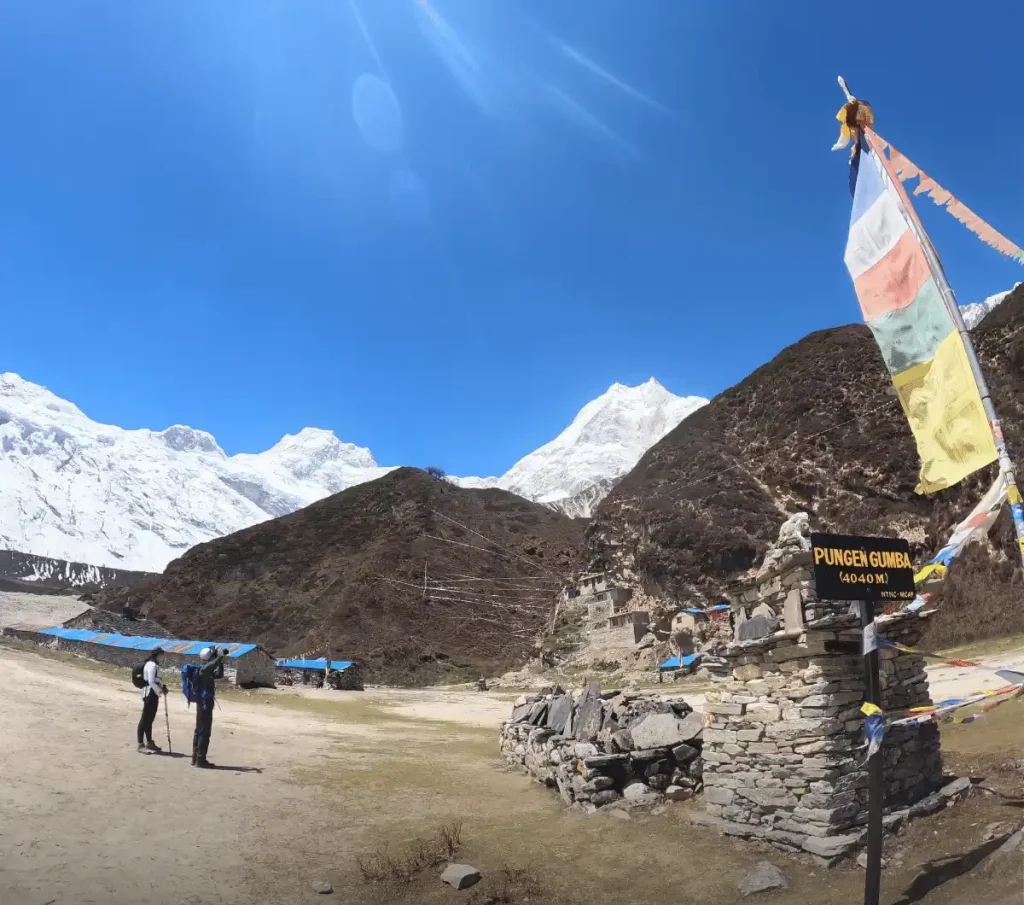
The Manaslu Circuit circles Mount Manaslu, the eighth highest mountain in the world at 8,163 m. The route reaches its peak elevation at Larkya La Pass at 5,106 m.
- Stats: Duration is 11 Days, peak elevation is 5,106 m, difficulty level is Strenuous.
- Verification Note: Regulated as a restricted border area by the Department of Immigration Nepal. Solo trekkers are prohibited, and you must travel with a registered, licensed guide.
Langtang Valley Trek
Located north of Kathmandu, the Langtang Valley trek takes you through pine forests, Tamang villages, and high mountain pastures. Key viewpoints are Kyanjin Gompa, Kyanjin Ri (4,773 m), and Tsergo Ri (4,984 m).
- Stats: Duration is 8 Days, peak elevation is 4,984 m, difficulty level is Moderate.
- Verification Note: Monitored at the Langtang National Park entry post in Dhunche.
- Guide Insight: “Langtang gives you high mountain views within three days of walking from Syabrubesi.”

Annapurna Base Camp Trek
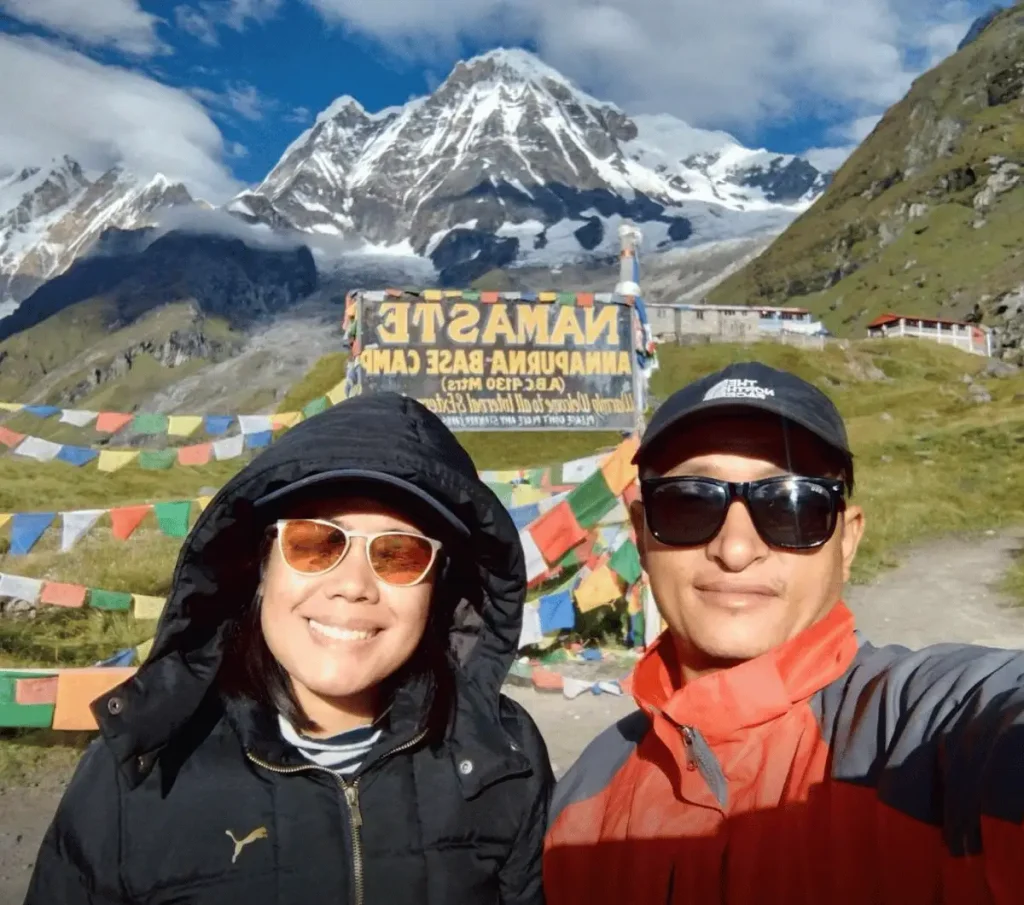
ABC Also known as the Annapurna Sanctuary trek, this trail enters a high-altitude basin surrounded by Annapurna I, Annapurna South, Hiunchuli, and Machhapuchhre.
- Stats: Duration is 7 days, peak elevation is 4,130 m, and difficulty level is Moderate.
- Verification Note: Visitor tracking is maintained by the Annapurna Conservation Area Project.
Mardi Himal Trek
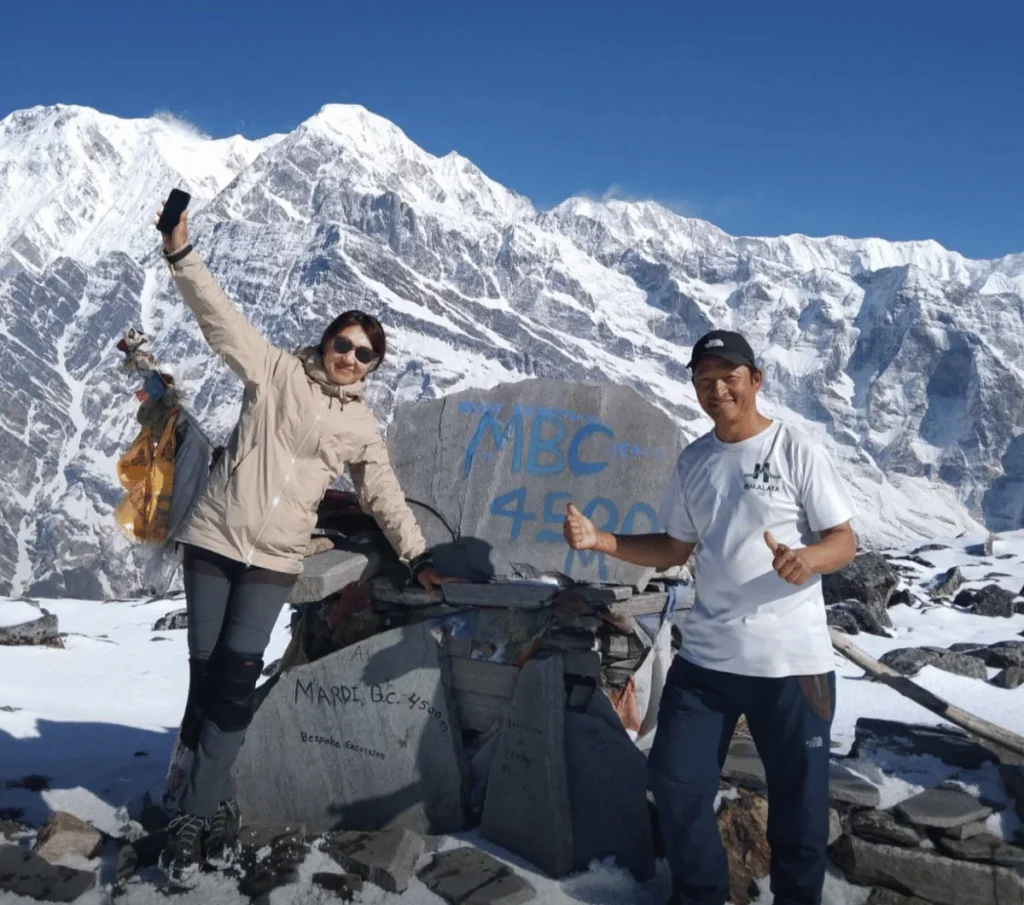
Mardi Himal is a short ridge trek located east of Annapurna Base Camp. The trail goes uphill through the forest. before reaching High Camp at 3,580 m and Mardi Upper Viewpoint at 4,500 m.
- Stats: Duration is 4 Days, peak elevation is 4,500 m, difficulty level is Moderate.
- Verification Note: Fully operational under ACAP safety rules, the route has registered tea houses on the ridge where trekkers can stay.
Why Autumn Weather Improves Trekking Conditions
Autumn represents the primary trekking season in Nepal due to the arrival of a high-pressure system over the Tibetan Plateau. This atmospheric transition pushes monsoon moisture south, leading to clear skies and less rainfall across the country.
Recent data indicate that October and November consistently achieve the highest success rates for high-altitude pass crossings and mountaineering expeditions. Morning visibility in October is above 90% on major trekking zones. Daytime temperatures at 3,000 m range between 10°C and 18°C, creating comfortable walking conditions without excessive heat or severe cold.
The post-monsoon air is cleaner, with less dust and pollution, creating clear views for photography and more dependable flight schedules at regional airports. Rivers and waterfalls flow at high capacity from summer, while lower valleys stay green with vegetation. High passes are open and clear of deep snow until late November, so trekkers can cross elevated terrain safely.
Other Trips you may like

Ghorepani Poon Hill Trek
4 Days
Trekking
USD 299 per person

Annapurna Base Camp Short Trek
5 Days
Trekking
USD 375 per person

What Is the Best Month for Autumn Trekking in Nepal
Choosing the month within the autumn season depends on your priorities regarding weather, temperature tolerance, and trail traffic. The autumn season spans from late September through late November.
The breakdown below details month-by-month trail characteristics based on weather records from the Department of Hydrology and Meteorology.
September
- Trail Conditions: The monsoon can continue into mid-September, bringing some rain to lower areas and cloudy afternoons.
- Crowds: Low to moderate.
- Visibility: Improving weekly as moisture leaves the region.
- Temperatures: Warm at lower elevations; night temperatures fall below freezing at 4,000 m.
October
- Trail Conditions: Dry trails, minimal rainfall, and firm ground across all mountain districts.
- Crowds: Peak season, teahouses operate at high capacity.
- Visibility: Highest of the year
- Temperatures: Moderate daytime temperatures (10°C to 15°C at 3,000m); night temperatures around 0°C to -5°C at 4,000 m.
November
- Trail Conditions: Completely dry, stable atmospheric conditions.
- Crowds: Moderate, declining toward the end of the month.
- Visibility: Clear mountain views
- Temperatures: Night temperatures at 4,000 m drop between -5°C and -12°C, and high passes experience strong winds.
Do You Need a Guide for Trekking in Nepal in Autumn
Yes, solo trekking without a guide is restricted in most national parks and conservation areas in Nepal. Trekkers must hire a licensed guide through a registered trekking agency. Here are some key points to remember about the mandatory guide requirement:
- Mandatory Guides: Required for all restricted areas (Manaslu, Upper Mustang, Tsum Valley, Nar Phu) and major conservation areas (Annapurna, Langtang).
- Local Exception Rules: The Khumbu region (Everest Base Camp and Gokyo Lakes) operates under local municipal rules that allow trekkers to enter without a centralized agency guide, though hiring a local guide or porter remains recommended for emergency safety.
- Safety Reasons: Guided groups experience faster emergency responses during high-altitude pulmonary edema (HAPE) cases or accidental falls.
Navigating permit regulations, guide requirements, and high-altitude logistics needs advanced planning. For organized logistics, licensed guides, and custom itineraries, Himalaya Trip manages all ground operations across Nepal.
Plan Your Himalayan Expedition
Autumn offers some of the best conditions for trekking in Nepal, with dry trails, little rain, and clear views of the mountains. Whether you’re aiming for Everest Base Camp, crossing Thorong La on the Annapurna Circuit, or securing restricted-area access for the Manaslu Circuit, choosing the right itinerary provides safety and a high success rate.
Select your route based on your elevation experience, physical fitness, and available timeframe. Contact Himalaya Trip today to arrange certified guides, secure restricted area permits, and plan your autumn Himalayan itinerary.