Winter and Monsoon Special Offer! Get 5% off on all trekking packages in Nepal . Visit during June , July, August, December , January and February and take advantage of this limited-time deal.

8 Best Things to do during Annapurna Base Camp Trek
If you are searching for things to do during Annapurna Base Camp Trek, you have come to the right place! The Annapurna Base Camp (ABC) is one of Nepal’s most popular trekking destinations, second only to the Everest Base Camp (EBC) Trek. While the base camp is one of the most beautiful mountain amphitheaters, the journey itself is adventurous and magical. Its trekking trail is equally scenic, and every day the trail reveals something new.
From the misty rhododendron forests to the alpine meadows, the Gurung and Magar villages, rivers, cascading waterfalls, and iconic mountain views, the Annapurna Base Camp Trek is worth every effort. During the journey, you can do much more than just hike on the diverse trail. You can share warm tea with the locals, enjoy gorgeous sunrises, soak in the natural hot springs at Jhinu Danda, or simply relax. These small moments become unforgettable memories and stay with you long after the trek is over.
In this guide, we will cover all the best things to do during the Annapurna Base Camp Trek. Whether you are a beginner taking this adventurous trek or exploring the Annapurna Sanctuary again, these experiences will help to make the journey more enjoyable and rewarding. It will also help you to plan your trip more efficiently. Let us begin!
Table of Contents
Watch Sunrise from Annapurna Base Camp
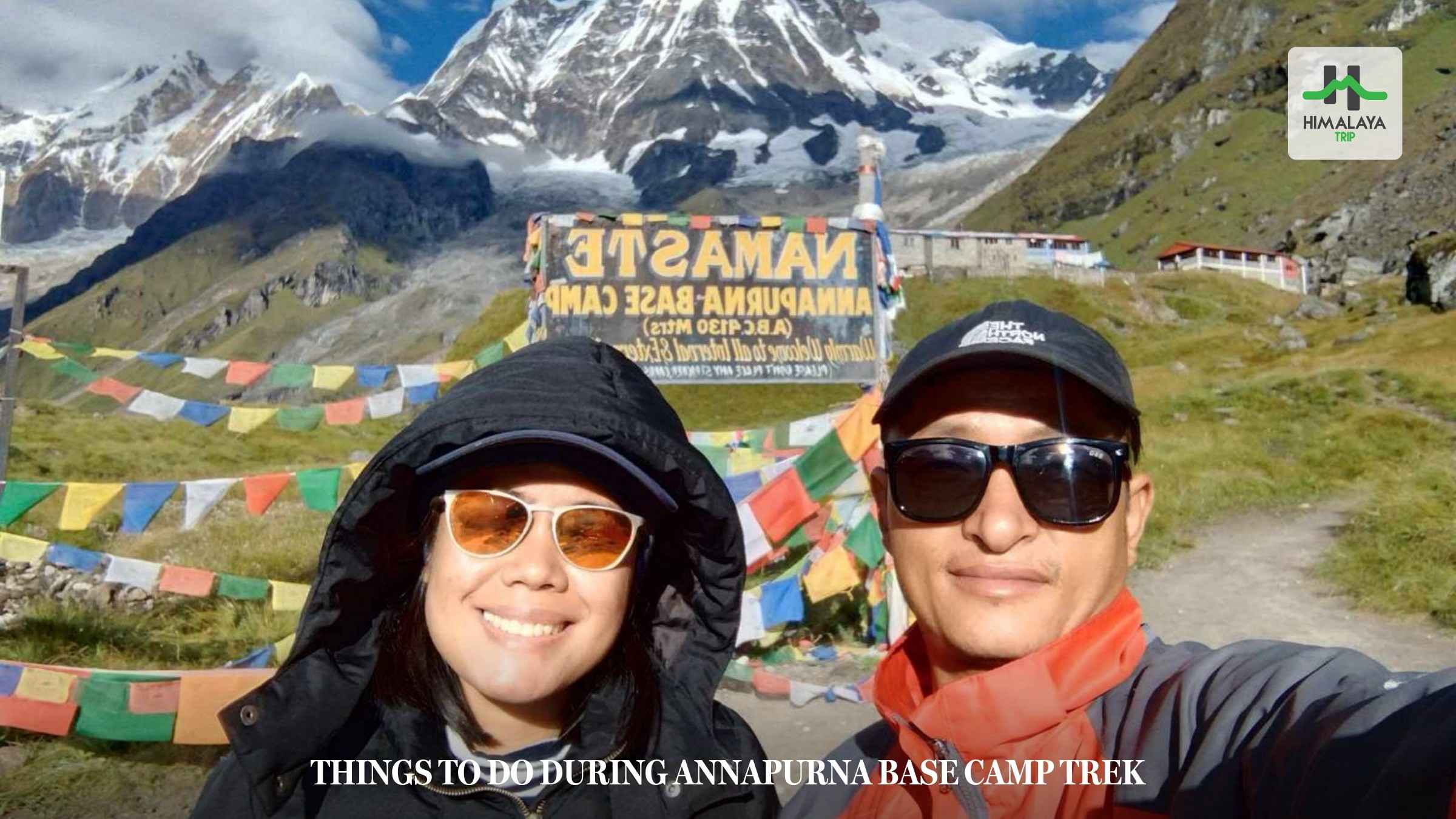
If you ask guides or trekkers who have completed the trip about the best things to do during the trek, most of them will recommend watching the sunrise from Annapurna Base Camp (4,130 m). They will recommend waking up early before dawn and watching as the first ray of sunlight touches the snow-covered peaks. The golden light first falls on the summit of Annapurna I. It gradually spreads to the sharp pyramid-shaped Machhapuchhre peak, Hiunchuli, Annapurna South, and Gangapurna. Within a few minutes, the entire landscape changes to the beautiful shades of gold and silver. The scenery looks like something right out of a painting.

What makes Annapurna Base Camp special compared to other Himalayan viewpoints is that it offers close-up views of the mountains. You will stand at the heart of the natural amphitheater and watch the sunrise over the snow-capped mountains. As a result, the view feels very personal and immersive. The crisp, cold morning air, the fluttering, colorful prayer flags, and the golden views create a magical atmosphere. For many trekkers, this moment makes the entire journey worthwhile. It makes the journey more than just a thrilling trek but also meaningful.
Visit Machhapuchhre Base Camp (MBC)
Right before you reach the Annapurna Base Camp, the trekking trail first takes you to the Machhapuchhre Base Camp (MBC) at 3,700 m. Often, trekkers make a short stop here before ascending to the Annapurna Base Camp. MBC sits right below Mount Machhapuchhre (6,993 m), also known as Fishtail. It is one of the most sacred mountains of Nepal that remains unclimbed. Due to its spiritual significance, the mountain has never been opened for commercial climbing. Similarly, its distinct twin summit and pristine appearance make Machhapuchhre one of the most photographed mountains in the country. Reaching MBC marks your entry to the Annapurna Sanctuary, a high-altitude glacial basin.
Upon reaching Machhapuchhre Base Camp, the landscape changes from dense forests of the lower valley to alpine vegetation and glacial moraines. It also builds anticipation because you’ll be very close to the Annapurna Base Camp. Spending time at MBC gives you time to enjoy and appreciate the scenery. Additionally, the tranquil environment is perfect for capturing stunning photographs and experiencing the peaceful atmosphere of the Annapurna Sanctuary. The sunrise and sunset from MBC are also extraordinarily beautiful. The first and last sunlight colors the surrounding peaks into beautiful shades of gold and pink.
Relax in the Natural Hot Springs at Jhinu Danda
The beautiful traditional village of Jhinu Danda lies along the Annapurna Base Camp trekking route. It is famous for its natural hot springs, which are believed to have healing properties. Jhinu Danda sits at an altitude of 1,780 m. You will come across the village after descending from the base camp. The village sits along the banks of the Modi Khola River. The hot springs are a 15-20 minute downhill hike from the village. Unlike other commercial hot springs, Jhinu Danda is peaceful and surrounded by lush nature. It is one of the major attractions and a must-visit stop on the Annapurna Base Camp Trek route.

While on the trek, you must try the hot springs once. There are multiple soaking pools with varying water temperatures. The natural geothermal pools have natural, warm, mineral-rich water. It is believed to help ease muscle aches, improve circulation, and reduce joint stiffness. Making it a perfect place to stop and relax after days of trekking on steep, rugged terrain. Soaking in the warm water while enjoying the forest views and listening to the rushing river is the best way to unwind and rejuvenate.
Walk Through Rhododendron and Bamboo Forests
During the ABC Trek, you will go through multiple ecological zones. These zones vary with altitude, and each has its own flora and fauna. As a result, the scenery changes constantly during the journey. It also keeps you engaged and refreshed throughout the trek. At the beginning, you will trek through the lower sections of the Annapurna region, which consists of lush bamboo forests. The ABC Trekking trail takes you through lush forests with moss-covered trees, waterfalls, and streams. The environment is cool and humid in these sections.
As you gradually gain elevation, transition into dense rhododendron forests of rhododendrons. Rhododendron is the national flower of Nepal. The Annapurna Conservation Area has one of the largest rhododendron forests in the world, and the Annapurna Base Camp trail lies within it. In March and April, the whole forest blooms in red, pink, and white colors. Trekking through the blooming trail is a unique experience that elevates the entire trip. You may also notice wildlife, such as langur monkeys, and colorful birds, such as Himalayan monals, while traversing these sections.
Experience Authentic Gurung and Magar Villages
Many trekkers take the Annapurna Base Camp Trek for the mountains and scenery. However, passing by the villages along the route offers a rich and authentic cultural experience. The ABC Trek route takes you through Gurung and Magar villages like Ghandruk, Chhomrong, Sinuwa, Bamboo, Dovan, Deurali, and more. Despite modernization, locals here have preserved their culture, customs, and traditional way of life. These places have charming teahouses, homestays, and shops, ready to welcome you and fellow trekkers. Staying at the local teahouses is the best way to experience the warm hospitality and get a closer look at their culture.

Annapurna Base Camp Trek
7 Days
Trekking
USD 449 per person

Annapurna Base Camp Helicopter tour
2 hours Days
USD 490 per person
The Magar community resides in the lower hills, such as Ulleri. Meanwhile, the Gurung people mostly reside in the upper section of the ABC Trek trail, like Ghandruk, Chhomrong, etc. Both the Magar and Gurung communities’ traditional occupations include agriculture and raising livestock. They also have a long history of serving in the Gurkha regiments. Their culture and lifestyle reflect their life in the mountains. While on the ABC Trek, make sure to enjoy their hospitality and sample the homemade meals. Some teahouses in lower areas also perform cultural programs for their guests. Take time to interact with the locals and observe their lifestyle. It adds a cultural dimension to the trek, making it more memorable.
Visit Local Monasteries and Prayer Sites
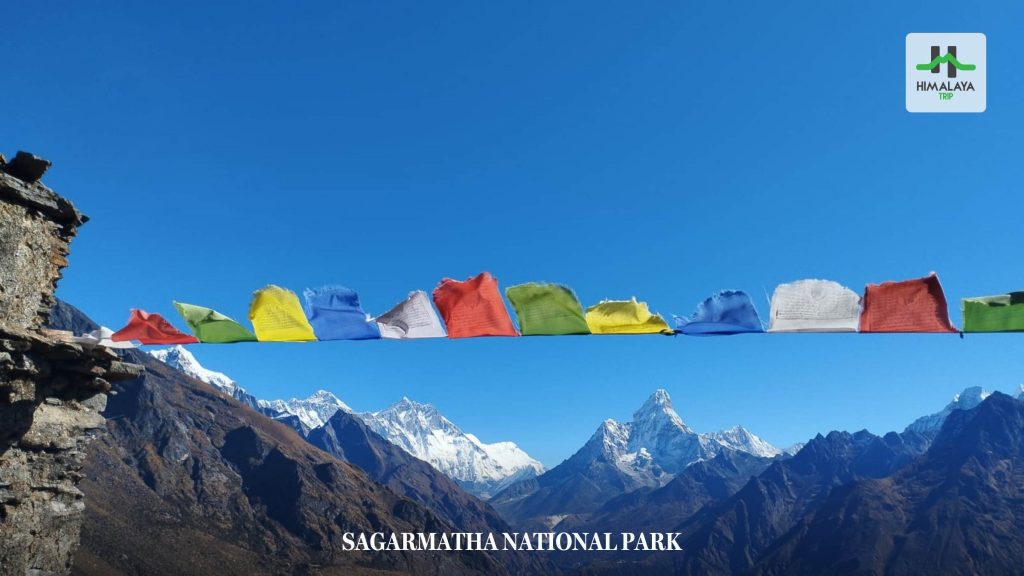
While exploring the local villages along the Annapurna Base Camp Trekking trail, do not forget to visit the local monasteries and prayer sites. Gurung communities practice a mix of Buddhism, Bon, animism, and some Hindu influences. Similarly, the Magar communities primarily practice Hinduism, often blended with Buddhism and indigenous animist traditions. You can see the influence of Buddhism along the ABC Trail. There are monasteries, mani walls, prayer flags, chortens, and prayer wheels at village entrances, mountain passes, and viewpoints.
You can see prayer flags adorning the trails, suspension bridges, and viewpoints. The fluttering prayer flags are believed to carry prayers of compassion, wisdom, and peace across the valleys. Meanwhile, the mani walls are carved with sacred Buddhist mantras, and prayer wheels are believed to spread blessings. While visiting the monasteries and prayer sites, walk quietly and follow the local customs. Take your time to immerse yourself in the spiritual atmosphere. If you are interested, you can also gain a deeper understanding of the religion.
Spend an Evening Under One of Nepal’s Clearest Night Skies
Last but not least, among the things to do during the ABC Trek, you must not miss an overnight stay at the Annapurna Base Camp. The amphitheater offers gorgeous views of the surrounding mountains during the day. Then, as the sun sets, it reveals a different kind of beauty. At an altitude of 4,130 m, the base camp is far from cities and artificial light. Hence, the night sky is exceptionally clear. It is perfect for stargazing. In spring, autumn, and winter, the nights are usually cloudless, with clear skies. After dusk, countless twinkling stars appear in the sky.
As the night progresses and your eyes adjust to the darkness, you can also see the Milky Way stretched across the sky above Mount Annapurna South, Machhapuchhre, and Hiunchuli. You may even catch distant constellations on nights with little moonlight. The cold mountain air, clear star-studded night skies, and tranquil atmosphere offer a moment of reflection. It reminds you that the ABC Trek is not only about reaching the base camp but also about slowing down and appreciating the beauty of the Himalayas.
After the Trek: Explore Pokhara Lakeside
Pokhara serves as the gateway for the Annapurna Base Camp Trek. After completing the trek, you will drive back to Pokhara. Relaxing leisurely at the Lakeside of Pokhara is the best way to unwind after multiple days of trekking in the Himalayas. You can stroll around the scenic shores of Phewa Lake or boat on it. There is a small Tal Barahi Temple on a small island in the middle of the lake. The waters of the lake reflect the Annapurna and Machhapuchhre ranges on clear mornings.
There are also many cafes, restaurants, and bakeries around the Lakeside area. From authentic Nepalese cuisines to international dishes, there are many options for everyone. The tranquil atmosphere and the city’s comfort provide a perfect way to end the Himalayan adventure. There are also vibrant Lakeside markets that sell many handicrafts, pashmina products, jewelry, artworks, and souvenirs. You can take some as gifts for your loved ones back home or as remembrance. There are also spas, massage centers, and yoga centers where you can ease sore muscles.
If you have extra days, you can visit popular attractions in Pokhara. You can visit the famous World Peace Pagoda, Davis Falls, Gupteshwor Cave, the International Mountain Museum, and Bindhyabasini Temple. Lakeside Pokhara is popular among tourists. You can meet with people around the world in cafes or restaurants. The place comes alive at night, so you have to try Pokhara’s nightlife once. So, make sure to spend an extra day or two to experience the Lakeside of Pokhara after the ABC Trek before returning home.
Best Time to Experience the Annapurna Base Camp Trek
In every season, the Annapurna Base Camp Trekking route offers unique experiences and scenery. Here’s what you can expect in each season:
Spring (March to May)
- Trek through fresh and lush forests of oak, bamboo, and maple, alive with spring growth.
- Enjoy favorable weather, mild temperatures, and longer daylight for comfortable trekking.
- Walk through the blooming rhododendron forests in different colors of red, pink, and white.
- The warm weather of spring makes the flora and fauna active, so you get a chance to spot wildlife, colorful birds, and butterflies.
- Catch clear and gorgeous views of the snow-capped mountains.
- An excellent time to capture colorful landscape photographs of the Annapurna region.
Summer (June to August)
- The forests, hillside, and terrace farms all turn into lush and vibrant shades of green.
- There is rainfall in the lower, hilly regions, so the rivers and waterfalls swell.
- Walk through misty forests and valleys with shifting clouds, creating a truly cinematic trekking experience.
- Enjoy trekking in a quiet atmosphere, as there are very few trekkers on the route.
- Observe seasonal wildflowers and vegetation of the Annapurna region that thrive in the monsoon season.
- Get a chance to capture unique photographs of low-hanging clouds, fog, and misty scenery.
Autumn (September to November)
- One of the best seasons with stable weather, comfortable temperatures, and minimal rainfall.
- Excellent visibility and clear mountain views as the monsoon rain cleanses the dust from the atmosphere.
- Enjoy uninterrupted, sharp views of the Annapurna mountain ranges against a deep blue sky.
- Trek through the vibrant forest trail and witness the beautiful autumn foliage of the Annapurna region.
- Celebrate two of the biggest Nepalese festivals, Dashain and Tihar, while on the ABC Trek trail.
Winter (December to February)
- Traverse peaceful trails with very few trekkers, which are usually busy at other times of the year.
- Enjoy crisp winter air and excellent, clear mountain views.
- Get a chance to witness the snow-covered landscapes and scenery.
- Experience and witness the Annapurna Sanctuary at its most tranquil and pristine form.
- Enjoy the quiet atmosphere in the teahouses and lodges.
- Capture beautiful winter scenery with fresh snow contrasting against the clear blue skies.
Conclusion
The Annapurna Base Camp Trek is more than just an adventure. It is an experience that offers cultural and spiritual immersion. Reaching the base camp is a remarkable achievement. While focusing on the destination, do not forget to enjoy the journey. Trek through the diverse trails and landscapes, share stories with the local families while sipping hot tea at the teahouses, and watch sunrises and sunsets. Marvel at the giant mountains, stargaze at a sky with countless stars, and dip into the hot springs in Jhinu Danda. All the experience becomes part of a journey, making it unforgettable.
So if you are planning to take this popular trek, do not focus only on reaching the destination. Slow down, take time to connect with nature, and interact with the locals. The true magic of the Annapurna Base Camp Trek lies in every step you take on this scenic trail. For more information about the trek, visit our website or contact us directly!