Winter and Monsoon Special Offer! Get 5% off on all trekking packages in Nepal . Visit during June , July, August, December , January and February and take advantage of this limited-time deal.

Travel Protocols in Nepal
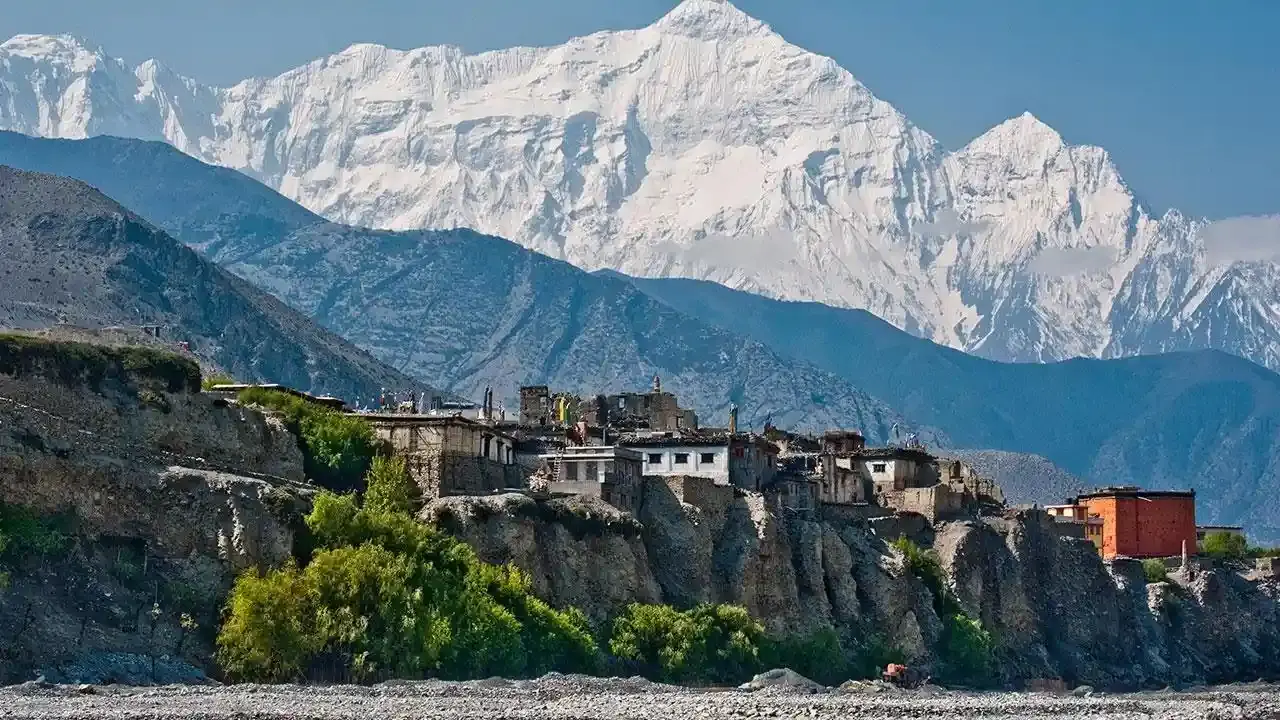
Nepal has been welcoming travelers and trekkers from all around the world to visit the country to enjoy its amazing natural beauty and Himalayan adventure. However, it is recommended that travelers be familiar with the Travel Protocol in Nepal for easy navigation and safety. Over the years, Nepal has updated its travel rules, primarily focusing on safety and responsible tourism. Some key changes include the necessity of important documents during travel and when issuing trekking permits, especially in restricted areas like the Upper Mustang Trek. Although COVID-19 restrictions have loosened, travelers should still be mindful of general health and safety tips, like being aware of altitude sickness and ensuring travel insurance. The country is also working to make the permit process easier by moving more of it online. This change aims to simplify travel for visitors.
Nepal’s travel protocols for trekking have also changed over the years. Nowadays, trekkers compulsorily require guides to trek in Nepal’s challenging and restricted parts. This protocol is for the safety of trekkers and to support the local community, where local guides are getting employment benefits. Additionally, nowadays, the permit system has become more digitalized and organized, which has helped international travelers from different countries learn about the permits. So, let’s learn why these travel protocols are so important for travelers arriving and departing from Nepal.
Table of Contents
Importance of Understanding Nepal’s Travel Protocols
First of all, understanding Nepal’s travel protocols is extremely important for smooth travel operations. The travelers must be familiar with the entry regulations of the country, and since they change regularly, they have to be informed about it regularly. The entry protocols include visa rules, health guidelines, and required documents for the arrival of travelers. When they are familiar with these requirements, it will save them the time of being denied or delayed entry and they can enjoy their travel without any hassle. Furthermore, understanding the trekking rules and the necessary permits required is essential for those who want to visit sensitive places or the restricted areas of Nepal.
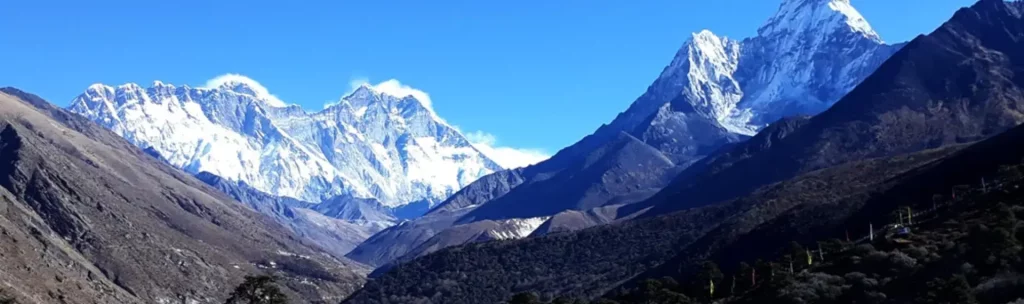
Secondly, it is also important to understand Nepal’s travel rules for the cultural respect of local places. Travelers should be aware of local customs that are sensitive to locals and must respect them. Knowing how to behave on religious sites, dressing modestly, asking for permission to click photographs, etc, helps in a smooth and respectful travel experience. Furthermore, knowing health tips during trekking and understanding common risks, such as altitude sickness, changing weather, etc, is extremely important. All these guidelines fall under travel protocols, and understanding them will have a positive effect on the local communities and environments.
Trips You May Like

Annapurna Circuit Trek
10 Days
Adventure Treks
USD 675 per person

Annapurna Base Camp Trek
7 Days
Trekking
USD 449 per person

Mardi Himal Trek
4 Days
Adventure Treks
USD 310 per person

Everest Base Camp Trek
12 Days
Adventure Treks
USD 1,249 per person
5 Important Travel Protocols in Nepal
Visa & Entry Requirements
Nepal requires most foreign nationals to obtain a visa. Visas can often be obtained upon arrival at Tribhuvan International Airport in Kathmandu and at land border crossings. However, checking the latest visa requirements with the nearest Nepalese embassy or consulate is always advisable, as regulations can change. Passport validity is also essential, typically requiring at least six months of remaining validity. It is also important to be aware of the current health requirements, which can change, so checking current requirements before travel is very important.
Permits for Trekking & Restricted Areas
Nepal is renowned for its trekking opportunities, and certain regions require specific permits. The Trekking Information Management System (TIMS) card is mandatory for most treks. Additionally, restricted areas, such as Tsum Valley and certain regions bordering Tibet, require special permits that can be obtained through registered trekking agencies. It is important to plan ahead, and obtain the needed permits before beginning your trek. Also, solo trekking has restrictions, so using a guide is often required.
Customs & Immigration Guidelines:
When you arrive, you must go through immigration and customs. Make sure to have your visa, passport, and any other travel documents ready. Customs rules limit what you can bring into the country. You cannot bring in illegal drugs, weapons, or some specific goods. There are also limits on the amount of foreign and local currency you can carry in and out. Be aware of what items you are allowed to bring into the country.
Local Laws & Cultural Considerations
Travelers visiting Nepal must respect local laws and culture. They must know about certain cultural rules, such as photography restrictions in temples and dressing modestly in religious sites. Nepal also has local laws, such as the prohibition of alcohol and drug use in the local society, with severe penalties for violations. Understanding these cultural and local protocols and following them will help travelers enjoy a peaceful and smooth experience.
Health and Safety Precautions:
Nepal is a beautiful destination but has health and safety concerns. Altitude sickness is a major risk for trekkers, so gradual acclimatization is important. Consult a healthcare professional before traveling about necessary vaccinations and medications, especially for infections like typhoid and hepatitis A. Access to quality healthcare can be limited, so comprehensive travel insurance that includes medical evacuation is essential. Prioritize food and water hygiene to prevent gastrointestinal issues by consuming bottled or purified water and dining at reputable places.
Conclusion
Hence, navigating travel protocols in Nepal requires a blend of preparedness and adaptability. While recent shifts have eased some COVID-19-related restrictions, other essential requirements remain. Ensuring your passport has ample validity, securing the appropriate visa, and understanding customs regulations are crucial first steps. Additionally, given Nepal’s diverse terrain, from the bustling streets of Kathmandu to high-altitude trekking trails, health precautions are paramount. It’s important to take advice from your doctors about any kind of vaccinations that you might need or if you have prior conditions of altitude sickness.
Ultimately, traveling to Nepal is one of the most rewarding experiences that is beneficial to those who are prepared and flexible. By staying up to date with current travel protocols, prioritizing health, and respecting local customs and traditions, travelers can ensure a memorable and fulfilling trip experience. It’s always best practice to check with official government websites or with the Nepalese embassy of your home country to ensure the most up-to-date information is obtained, as rules and regulations can change frequently.